Latest Posts

SpaceX and xAI Merger Talks Heat Up: Elon Musk’s Masterplan for AI in Orbit and a $1.5 Trillion IPO?

As a seasoned tech analyst and blogger specializing in Elon Musk’s sprawling empire—from reusable rockets to neural networks—I’ve been tracking the intersections of space exploration, artificial intelligence, and bold corporate maneuvers for over a decade. The latest buzz? SpaceX, the rocket powerhouse valued at around $800 billion, is reportedly in advanced discussions to merge with xAI, Musk’s AI startup that’s pushing the boundaries of Grok and beyond. If this deal materializes as soon as this week, as some reports suggest, it could reshape the tech landscape, blending Starship launches with orbital data centers and creating a behemoth primed for one of history’s largest IPOs. But is this genius consolidation or a high-stakes gamble? Let’s dive deep.

Tesla’s Robotaxi Revolution: How a Two-Seater Cybercab Could Dominate Urban Mobility

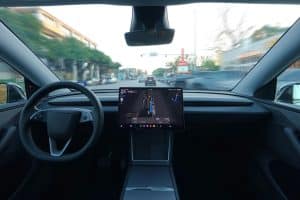
In the fast-evolving world of autonomous vehicles, Tesla is positioning itself not just as a carmaker, but as a comprehensive mobility provider. During the recent Q4 and FY 2025 earnings call, executives Lars Moravy and Elon Musk laid out a bold vision for Robotaxi services that doesn’t hinge on cramming everyone into a single vehicle type. Instead, Tesla is leveraging data-driven design and a diversified fleet to cover every passenger scenario—from solo commuters to large groups. This approach, rooted in real-world usage patterns, could redefine urban transportation, making it safer, cheaper, and more efficient. As a blogger who’s followed Tesla’s autonomy journey for years, I see this as a masterstroke that sidesteps common pitfalls in the AV space.

Tesla’s Optimus V4 Mega-Factory at Giga Texas: 10 Million Robots a Year and a GDP-Shaking Future

As a longtime Tesla enthusiast and robotics analyst who’s been tracking Elon Musk’s audacious bets since the early days of the Roadster, I’m thrilled to dive into the latest bombshell from Tesla’s humanoid robot program. Just hours ago, Musk confirmed on X that Optimus V4 production will ramp massively at Giga Texas, dwarfing the pilot line in Fremont. This isn’t hype—it’s a strategic pivot that could redefine manufacturing, labor, and even the U.S. economy. With Tesla’s Q4 2025 earnings call fresh in our minds and construction underway at Giga Texas, let’s unpack the details, timelines, quotes, and my take on why Optimus is Tesla’s ultimate moonshot.

Tesla Cybercab’s Rear Charging Port Bombshell: Bridging Wireless Dreams and Wired Realities Before April 2026 Launch

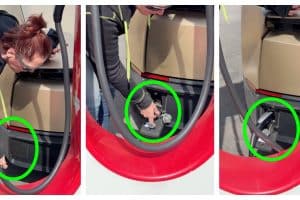
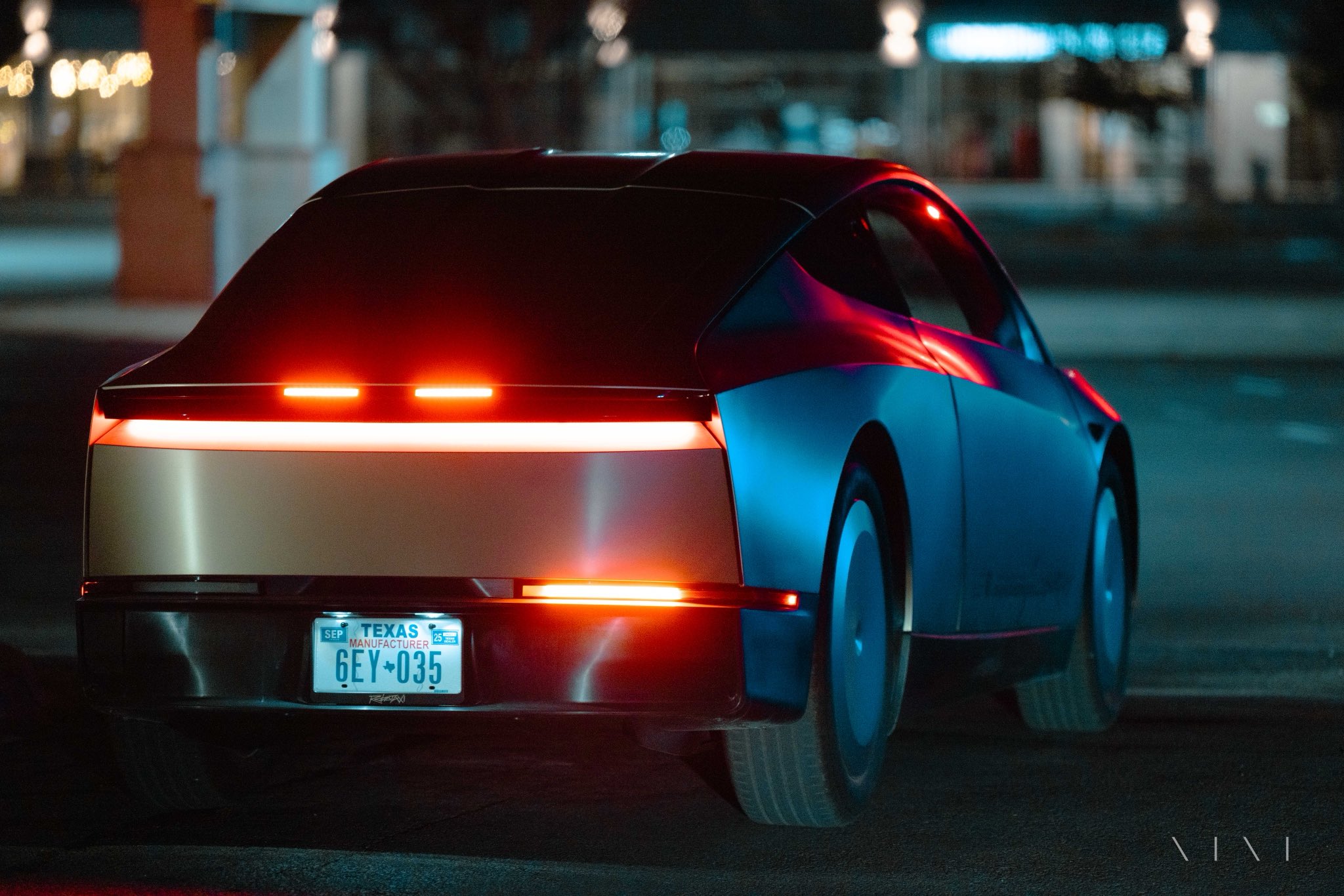
As a seasoned EV enthusiast and Tesla watcher with over a decade tracking the company’s audacious pushes into autonomy and electrification, I’ve seen my share of prototype sightings that spark endless speculation. But few have ignited as much buzz as the latest Tesla Cybercab footage captured on U.S. roads. A simple video of an employee plugging in what appears to be a production-intent Cybercab prototype at a Supercharger has the community abuzz—revealing a rear-mounted NACS charging port complete with a manual door and latch. This isn’t just a quirky detail; it’s a pragmatic nod to the real-world challenges of scaling a fully wireless robotaxi fleet. With production slated to kick off in April 2026, this sighting offers crucial insights into how Tesla plans to keep its autonomous fleet humming.

Elon Musk’s Galactic Gambit: SpaceX-xAI Merger Talks Ignite Visions of Dyson Swarms and Space-Based AI Supremacy

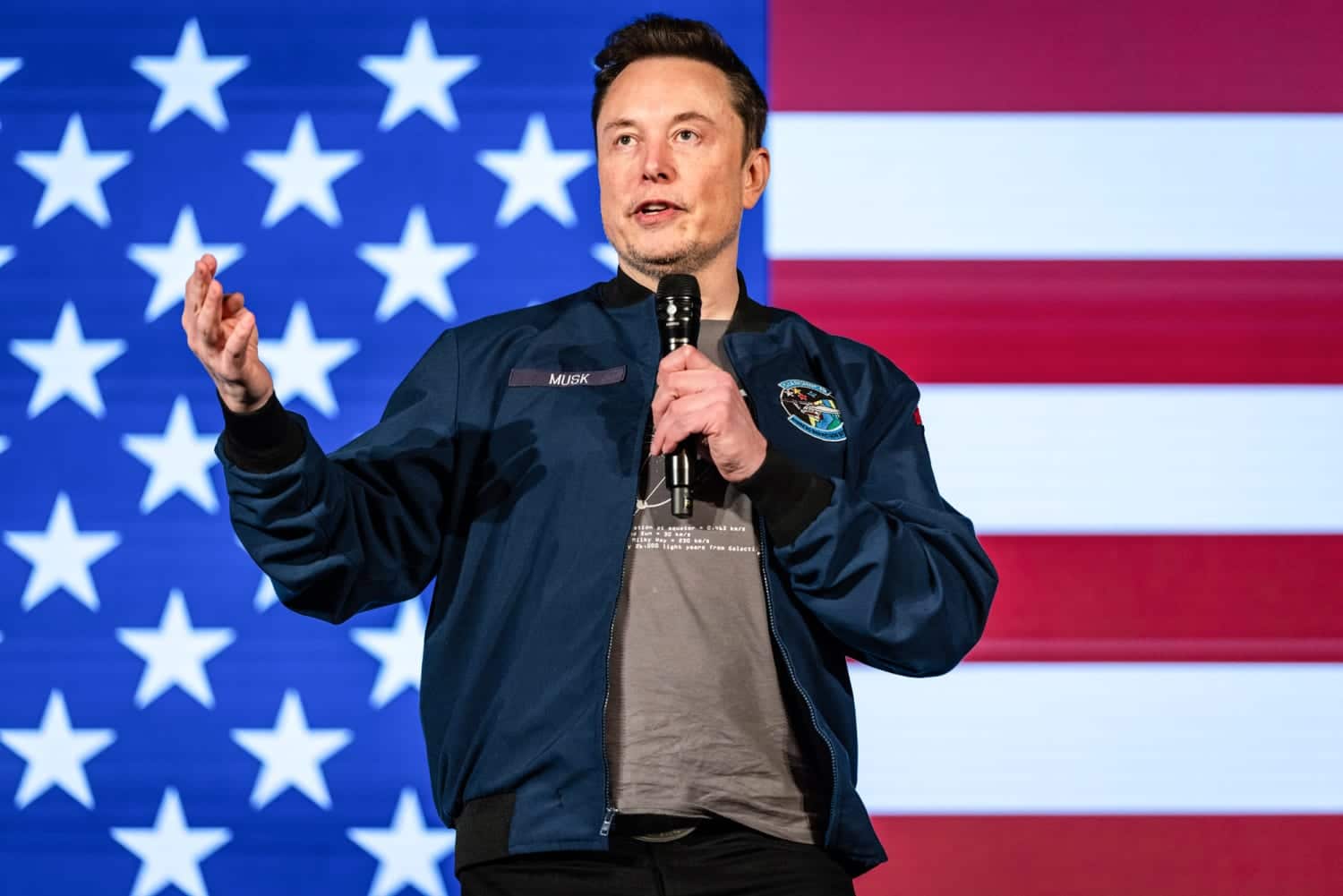
As Elon Musk’s empire continues to blur the lines between rockets, electric vehicles, social media, and artificial intelligence, the latest bombshell from Reuters has the tech world buzzing: SpaceX is in active discussions to merge with xAI ahead of a blockbuster IPO expected later this year. Musk himself appears to have given it a nod of approval on X, replying a casual “Yeah” to a post envisioning SpaceX as the ultimate “Dyson Swarm company.” This isn’t just corporate housekeeping—it’s a bold step toward Musk’s dream of AI data centers orbiting Earth, powered by endless solar energy. In this deep dive, we’ll unpack the reports, strategic synergies, investor implications, and what this could mean for the future of humanity’s multi-planetary ambitions.

Tesla’s Robotaxi Revolution Accelerates: 7 New Cities Set for 1H 2026 Launch – Game Over for Traditional Ride-Hailing?

As a long-time Tesla watcher and autonomous driving enthusiast, I’ve been tracking the evolution of Tesla’s Full Self-Driving (FSD) tech since its early days. Yesterday’s Q4 2025 Earnings Call and Shareholder Deck dropped a bombshell that’s set to redefine urban mobility in the US. Tesla isn’t just talking about Robotaxi anymore—they’re executing with an aggressive timeline, confirming launches in seven major new cities by the first half of 2026. This isn’t hype; it’s backed by real operational data, including nearly 700,000 paid Robotaxi miles since the June 2025 launch. Buckle up, because this post dives deep into the details, implications, and my expert analysis on why Tesla is poised to disrupt Uber and Lyft like never before.

Tesla’s 37-Second Trademark Dash: Cybercar and Cybervehicle Emerge from Earnings Call Chaos

As a seasoned EV industry analyst and blogger who’s followed Tesla’s wild ride since the Roadster days, I’ve seen my share of bold moves, hype cycles, and outright blunders. But nothing quite captures the frenetic energy of Elon Musk’s Tesla like their latest trademark saga. On January 28, 2026, during the Q4 2025 earnings call, Musk casually floated “Cybervehicle” and “Cybercar” as alternatives to the beleaguered “Cybercab.” Within minutes—37 seconds apart, to be exact—Tesla’s legal team panic-filed trademarks for both names with the USPTO. This isn’t strategy; it’s survival mode, a direct response to past humiliations like losing “Cybercab” to a French seltzer maker.

Tesla’s Q4 2025 Earnings Call: Margins Rebound, Energy Soars, and the Great Pivot to Robots and AI

Tesla’s Q4 and full-year 2025 earnings call, held on January 28, 2026, painted a picture of a company in transition. Despite a 16% quarter-over-quarter drop in vehicle deliveries and the first-ever annual revenue decline, Tesla showcased resilient gross margins, record energy storage deployments, and audacious bets on autonomy, robotics, and AI. CEO Elon Musk didn’t mince words: the company is evolving from a “hardware-centric business to a physical AI company,” with a new mission centered on “amazing abundance” and “universal high income” through AI and robotics. As a long-time Tesla watcher and EV/AI enthusiast, I see this as a pivotal moment—Tesla is doubling down on high-margin software and robotics to offset maturing auto sales. Let’s break it down.

Tesla Waves Goodbye to Model S and X: Ushering in the Optimus Robot Revolution

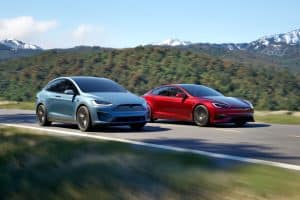
As a longtime Tesla enthusiast and EV industry analyst who’s been tracking Elon Musk’s bold visions since the early days of the Roadster, today’s news hits like a bittersweet milestone. During Tesla’s Q4 2025 earnings call on January 28, 2026, CEO Elon Musk dropped a bombshell: the iconic Model S sedan and Model X SUV—flagship vehicles that put Tesla on the map—are being retired. Production will cease by the end of Q2 2026, with factory lines repurposed for the company’s humanoid robot, Optimus. No successors announced, no fanfare refresh—just an “honorable discharge” to make way for autonomy and robotics. This isn’t just the end of two cars; it’s a seismic pivot signaling Tesla’s transformation from carmaker to AI/robotics powerhouse.

Tesla’s Epic Partnership with Pilot Travel Centers: Supercharging the Future of Heavy-Duty Electric Trucking

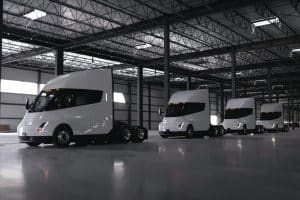
As a veteran EV enthusiast and trucking industry analyst with over a decade tracking the intersection of electric vehicles and commercial logistics, I’ve seen plenty of bold announcements. But today’s bombshell from Tesla and Pilot Travel Centers? This is the kind of seismic shift that could finally crack open the door to widespread adoption of battery-electric Class 8 trucks. Announced on January 27, 2026, this deal isn’t just about plugging in Tesla Semis—it’s an open invitation for all heavy-duty electric trucks to juice up at America’s largest network of travel centers. Imagine I-5 and I-10 transformed into electric superhighways, where fleets from every manufacturer can recharge without the diesel dread.

Load more