Latest Posts

Tesla’s FSD Revolution Heats Up in China: Lingang Hiring Signals Full Rollout on the Horizon

As a longtime Tesla watcher and autonomous driving enthusiast, I’ve been tracking the company’s global push for Full Self-Driving (FSD) with bated breath. China, the world’s largest EV market, has long been the holy grail for Tesla’s autonomy ambitions. Recent developments—a fresh job posting for an Autopilot Test Engineer in Shanghai’s Lingang district, combined with executive confirmations of local AI infrastructure—point to accelerating preparations. With today marking February 13, 2026, and Elon Musk’s predicted approval window now upon us, is Tesla finally poised to unleash FSD on China’s chaotic roads? In this deep dive, we’ll unpack the latest news, historical context, key player insights, and what it all means for the future of mobility.
Elon Musk’s Boring Company Digs Deep: Linking Universal Orlando to Epic Universe and Beyond

Imagine zipping through an underground tunnel in a Tesla at speeds up to 100 mph, bypassing the soul-crushing traffic jams of International Drive to reach Universal’s Epic Universe in minutes. That’s no longer science fiction—it’s the reality Elon Musk’s The Boring Company is bringing to Orlando. Fresh off its proven success in Las Vegas, The Boring Company has been officially selected to design, build, and maintain a cutting-edge underground transit system connecting Universal Orlando Resort to the brand-new Epic Universe. As a transportation tech enthusiast and urban mobility blogger who’s tracked Musk’s tunneling ventures since the Vegas Loop’s inception, this project marks a pivotal moment for theme park logistics and high-speed urban transit. In this deep dive, we’ll unpack the details, analyze the implications, and explore how The Boring Company’s “Loop” systems are reshaping travel worldwide.

Elon Musk Tops Forbes’ 250 Greatest Innovators: Redefining American Ingenuity for the 21st Century

As America gears up for its 250th anniversary in 2026, Forbes has dropped a bombshell list that captures the nation’s innovative spirit: the Forbes 250: America’s Greatest Innovators. At the pinnacle stands Elon Musk, the 54-year-old South African-born trailblazer who has reshaped industries from electric vehicles to space travel. This isn’t just a pat on the back for Tesla’s CEO—it’s a testament to his unparalleled ability to build multibillion-dollar empires across diverse sectors. But why Musk? And what does this list say about the future of innovation? In this deep dive, we’ll unpack the rankings, methodology, standout stories, and lessons for entrepreneurs everywhere.

Jim Cramer Finally Gets Tesla: It’s a Robotics Juggernaut, Not a Car Company – The 2026 Pivot That’s Reshaping Investing

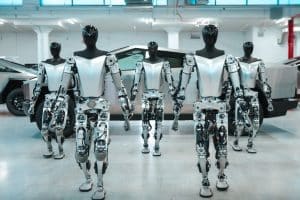
In a stunning reversal that’s got Wall Street buzzing, legendary CNBC host Jim Cramer has declared Tesla (TSLA) “actually a robotics company” – echoing what Elon Musk and Tesla’s die-hard fans have been shouting from the rooftops for years. This isn’t just hype; it’s backed by Tesla’s latest Q4 2025 earnings call, where the company laid out its bold shift away from traditional cars toward AI, autonomy, Cybercabs, and the Optimus humanoid robot. Despite beating earnings expectations, shares dipped over 3% post-earnings due to hefty capital expenditures and calls for more details on these moonshot projects. As of publishing, TSLA trades at $423.69, down less than 0.5% – a potential buying opportunity for those who see the robotics revolution unfolding.

Tesla Semi Pricing Revealed: $250K Entry Point in 2026 – Revolutionizing Trucking or Just Another Delay?

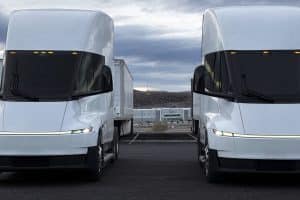
The electric truck revolution is accelerating, and Tesla’s long-awaited Semi is finally shifting into high gear. After nearly a decade since its flashy 2017 unveiling, Tesla has started quoting prices to interested fleet operators: around $250,000 for the Standard Range model and $290,000 for the Long Range version (before taxes and fees). This news, broken by Electrek and echoed in a viral tweet from market watcher Walter Bloomberg, comes just as CEO Elon Musk confirms high-volume production kicks off in 2026. But with prices 60-70% higher than originally promised, is the Semi still a game-changer for logistics giants like PepsiCo and UPS? As an EV trucking expert who’s tracked this beast since day one, let’s dive deep into the specs, economics, competition, and what this means for the future of freight.

Starlink Shutdown: SpaceX Delivers a Battlefield Game-Changer by Blocking Russian Troops in Ukraine

In a pivotal move amid the ongoing Ukraine conflict, SpaceX has deactivated unauthorized Starlink terminals wielded by Russian forces, plunging their frontline communications into chaos. Ukrainian officials, including Defense Minister Mykhailo Fedorov, confirmed the coordination with Elon Musk’s company, marking a rare instance where commercial satellite tech directly alters military dynamics. This isn’t just a tech tweak—it’s a strategic blow that’s slowed Russian offensives and highlighted the fragility of asymmetric warfare reliant on borrowed innovation.

Tesla Semi Enters Mass Production Era: Breaking Down the Specs, Timeline, and Revolution for Trucking in 2026

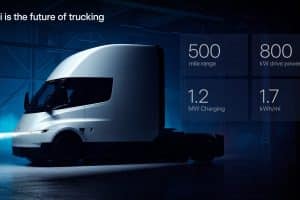
As a veteran blogger specializing in electric vehicles and sustainable transportation, I’ve been tracking the Tesla Semi since its unveiling back in 2017. After years of delays, pilot programs, and tantalizing teases from Elon Musk, the beast is finally roaring to life. On February 10, 2026, Tesla has dropped official specs on its website and confirmed high-volume production ramp-up this year at the dedicated Sparks, Nevada facility. This isn’t just another EV hype cycle—it’s a seismic shift for the $700 billion trucking industry, promising lower operating costs, zero emissions, and performance that diesel rigs can only dream of. In this deep dive, we’ll unpack the dual-trim lineup, production realities, pilot successes, and what fleets should consider before jumping in.

Elon Musk’s Strategic Pivot: SpaceX’s Moon City Race Before Mars – A Game-Changer for Multi-Planetary Life

In a stunning revelation that’s sending shockwaves through the space community, Elon Musk has announced that SpaceX is shifting its immediate focus to building a self-growing city on the Moon. This isn’t a abandonment of the long-dreamed Mars colony—far from it—but a pragmatic acceleration toward humanity’s survival beyond Earth. Drawing from Musk’s recent posts on X (formerly Twitter), this pivot prioritizes speed, iteration, and risk mitigation. As a space exploration blogger with over a decade tracking SpaceX’s milestones—from Falcon 1 failures to Starship’s orbital triumphs—I’ll break down what this means, why it’s brilliant, and the challenges ahead. Buckle up; this could redefine our species’ timeline to becoming multi-planetary.

Starlink’s Epic Super Bowl Debut: SpaceX Goes Mainstream and Eyes Global Domination

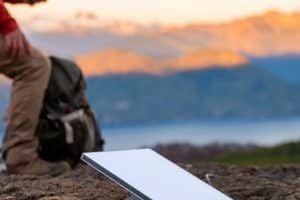
In a move that signals a seismic shift for Elon Musk’s SpaceX, the company aired its first-ever Super Bowl commercial during Super Bowl LX on February 8, 2026. This wasn’t just any ad—it was a bold declaration that Starlink, SpaceX’s satellite internet powerhouse, is no longer a niche service for remote adventurers or enterprises. It’s gunning for your living room, your airplane seat, and every corner of the globe. As a space tech blogger who’s tracked Starlink since its beta days, I see this as the tipping point where satellite broadband becomes as ubiquitous as streaming services. Let’s dive deep into what this ad means, the explosive growth behind it, regional triumphs like Brazil, and what it spells for the future of connectivity.

Apple’s Project Titan Fiasco: When Unplugged Phones Killed the iCar Dream and Exposed Silicon Valley’s EV Delusions

Imagine this: Tesla engineers, the wizards behind the world’s most advanced EVs, facing a barrage of daily calls from Apple recruiters. Their response? Simply unplug the phones. This isn’t some urban legend—it’s straight from Elon Musk’s mouth in a recent podcast, revealing the desperate lengths Apple went to poach talent for its doomed “Project Titan.”

Load more