 Gary Zhou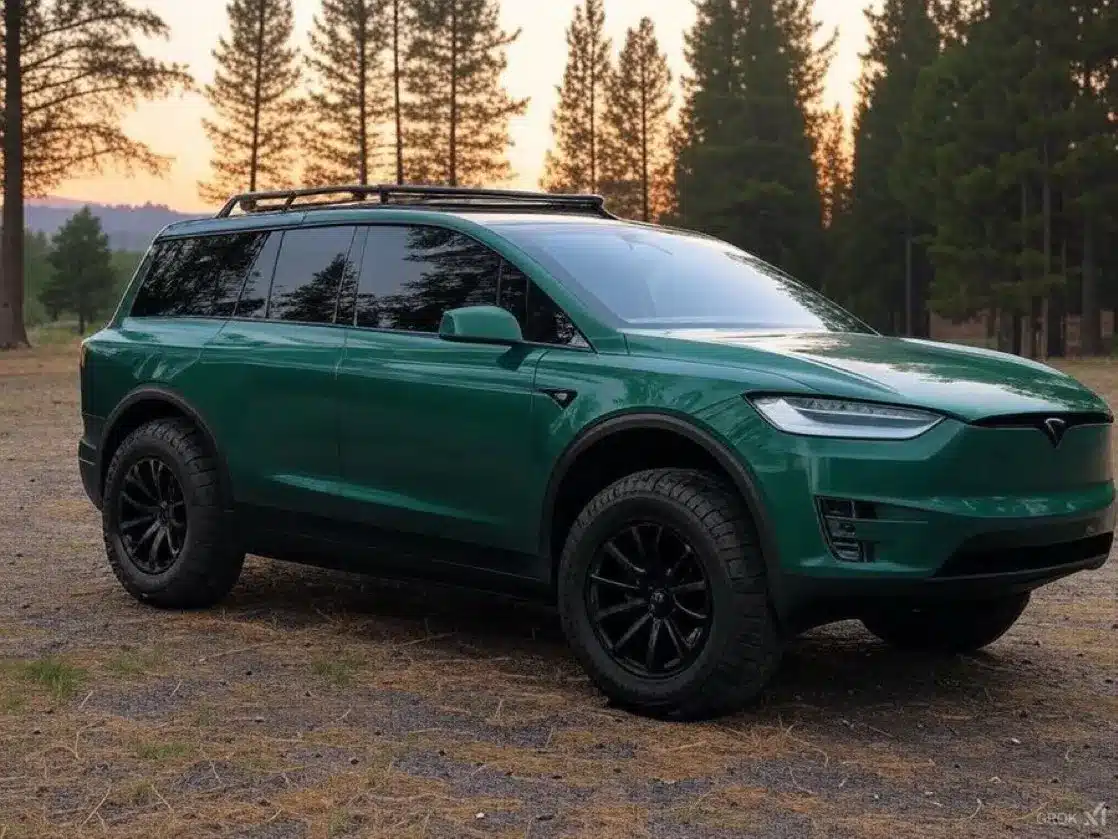
Key Takeaways
- Tesla’s current vehicle lineup is missing a full-size SUV, which many fans want.
- The Model X is not fulfilling the full-size SUV demand, as it differs from typical offerings in this segment.
- Popular full-size SUVs like the Chevrolet Tahoe and GMC Yukon dominate the market with significant sales.
- Fans are suggesting a CyberSUV, inspired by the Cybertruck, but it’s unclear if Tesla will pursue this idea.
- The Model X, despite its tech features, is considered a van/crossover hybrid and lacks the space of traditional full-size SUVs.
In recent years, Tesla has successfully revolutionized the electric vehicle (EV) market by introducing a diverse range of models that cater to various segments. However, there is one gap in Tesla’s lineup that enthusiasts and critics alike have noticed—a full-size SUV. This blog post explores the growing demand for a full-size Tesla SUV, why the Model X isn’t sufficing, and the fascinating prospect of a CyberSUV.
The Missing Piece in Tesla’s Lineup
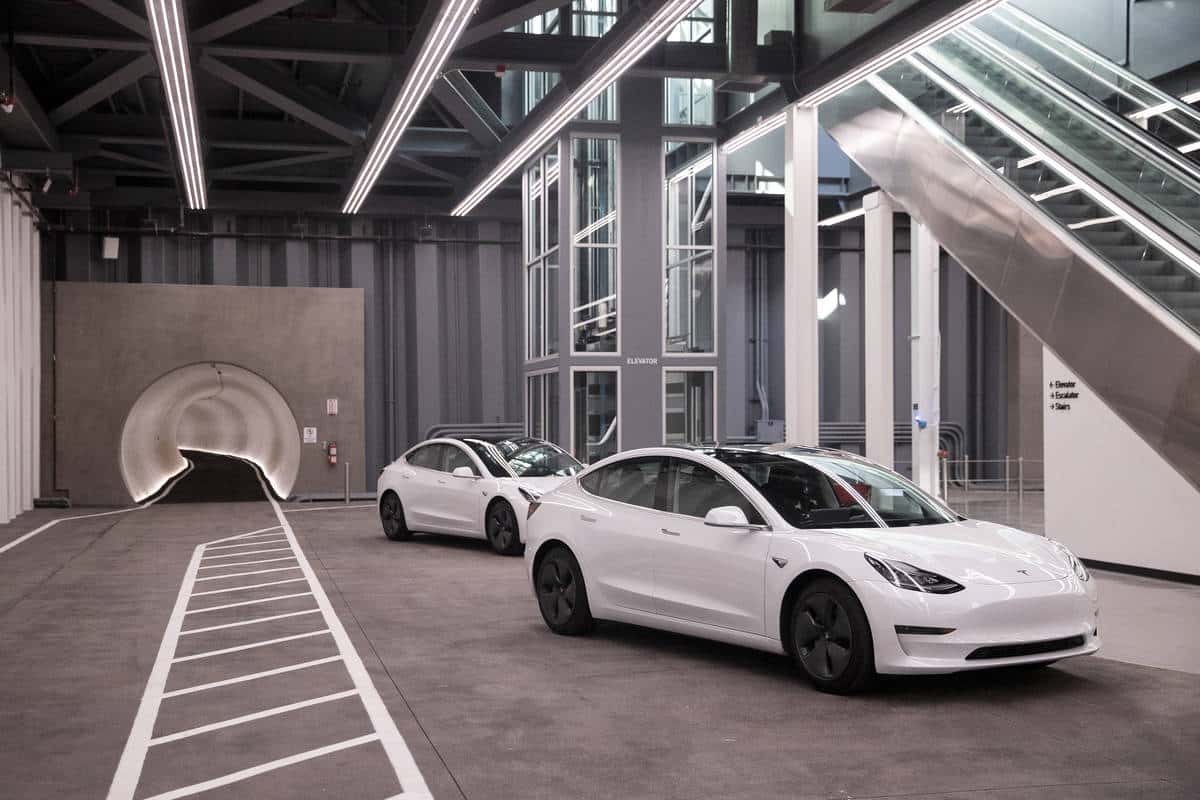
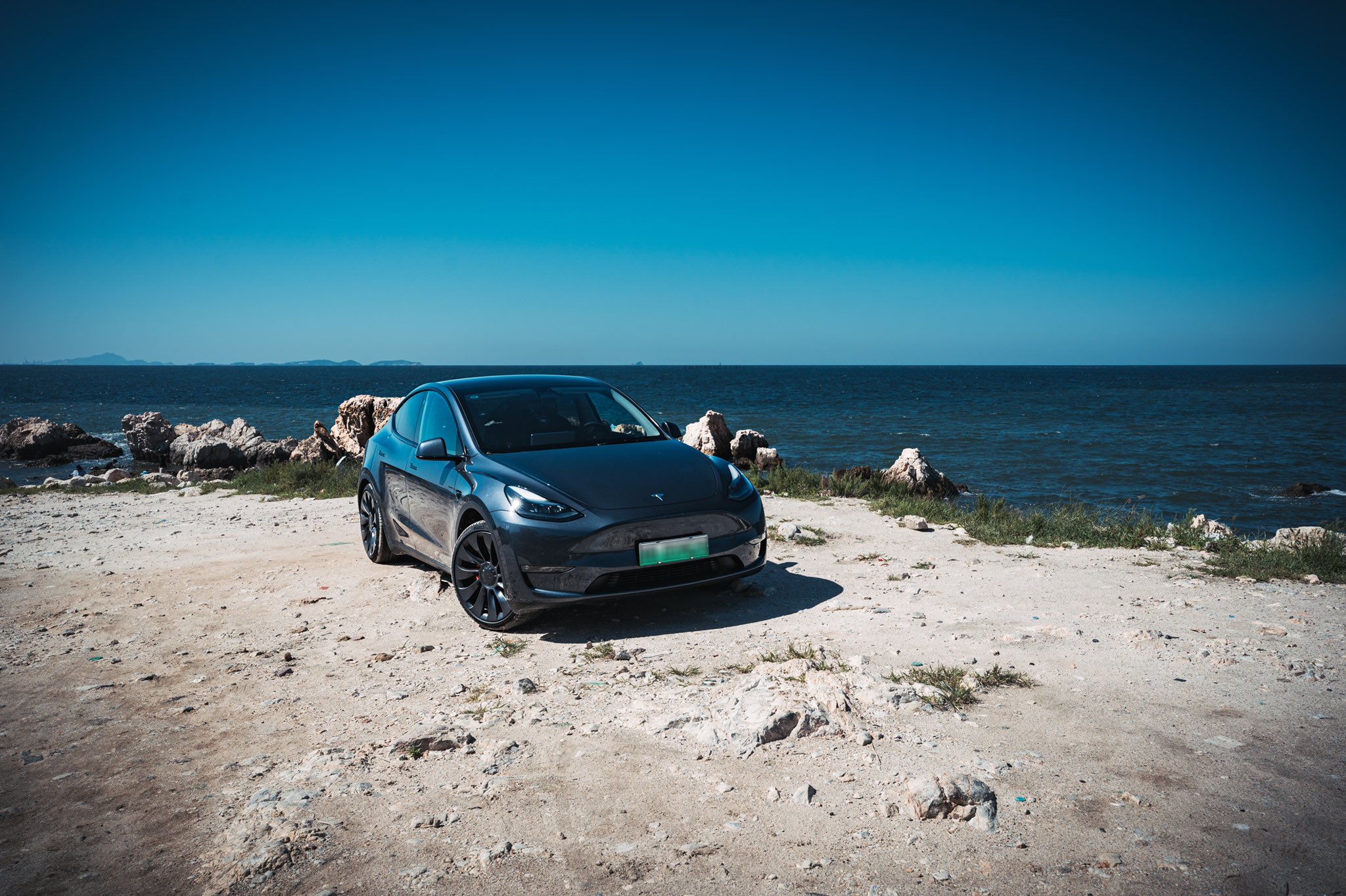
Tesla’s array of vehicles encompasses the luxury sedan Model S, the luxury SUV Model X, and more mass-market offerings such as the Model 3 and Model Y. With the introduction of the Cybertruck, Tesla ventured into the pickup segment. Despite this impressive lineup, a full-size SUV remains conspicuously absent.
Unlimited Potential in the SUV Market
The full-size SUV market is currently dominated by combustion engine vehicles like the Chevrolet Tahoe and GMC Yukon, which continue to achieve impressive sales figures. These SUVs are celebrated for their spacious interiors, ample cargo capacity, and robust performance. It’s clear that an electric alternative from Tesla could very well meet the same demand from eco-conscious consumers looking for a similar size and capability. Enthusiasts are now urging Tesla to explore this opportunity and provide a sustainable alternative in this segment.
Why the Model X Isn’t Meeting the Need
The Model X is a testament to Tesla’s innovation, featuring cutting-edge technology and distinctive falcon-wing doors. However, it’s fundamentally different from what consumers seek in a full-size SUV:
- Design Constraints: While the Model X offers versatility akin to a van/crossover hybrid, it lacks the interior space typical in full-size SUVs. The size and design make it inadequate for families requiring more room.
- Sales Performance: As Tesla’s lowest-selling model, the Model X plays a minor role in the company’s overall success. Elon Musk himself has acknowledged that both the Model X and Model S are produced more for legacy and prestige than volume.
- Potential for Improvement: Even with plans for a refresh, the Model X’s third-row seating space—often a crucial feature for SUV buyers—remains insufficient for larger families or road trips.
Tesla Fans and the CyberSUV Vision
Many Tesla enthusiasts speculate about the potential development of a “CyberSUV,” a model that could extend the ethos of the bold Cybertruck to a full-size SUV format. This concept has sparked significant interest for several reasons:
- Platform Sharing: A CyberSUV could leverage the same platform as the Cybertruck, optimizing production costs and maintaining the innovative design language that defines Tesla’s brand.
- Versatility and Functionality: Just like the Cybertruck, a CyberSUV could be designed for maximum utility and performance, with features that surpass current market offerings.
- Distinct Aesthetic: While Tesla has suggested that future models will not share the Cybertruck’s exoskeleton, a uniquely futuristic vehicle without straying too far from Tesla’s design philosophy could open new doors in the market.
What Lies Ahead?
While there’s an undeniable clamoring for a full-size SUV from Tesla, the company has yet to confirm any plans. However, Tesla has continually demonstrated its ability to listen to consumer demand and innovate accordingly.
As the automotive industry gradually shifts toward electric vehicles, Tesla’s entry into the full-size SUV market could redefine expectations and set new standards. A successful introduction of a full-size Tesla SUV may not only fill the gap in Tesla’s lineup but also further cement its leadership in the EV market.