 Gary Zhou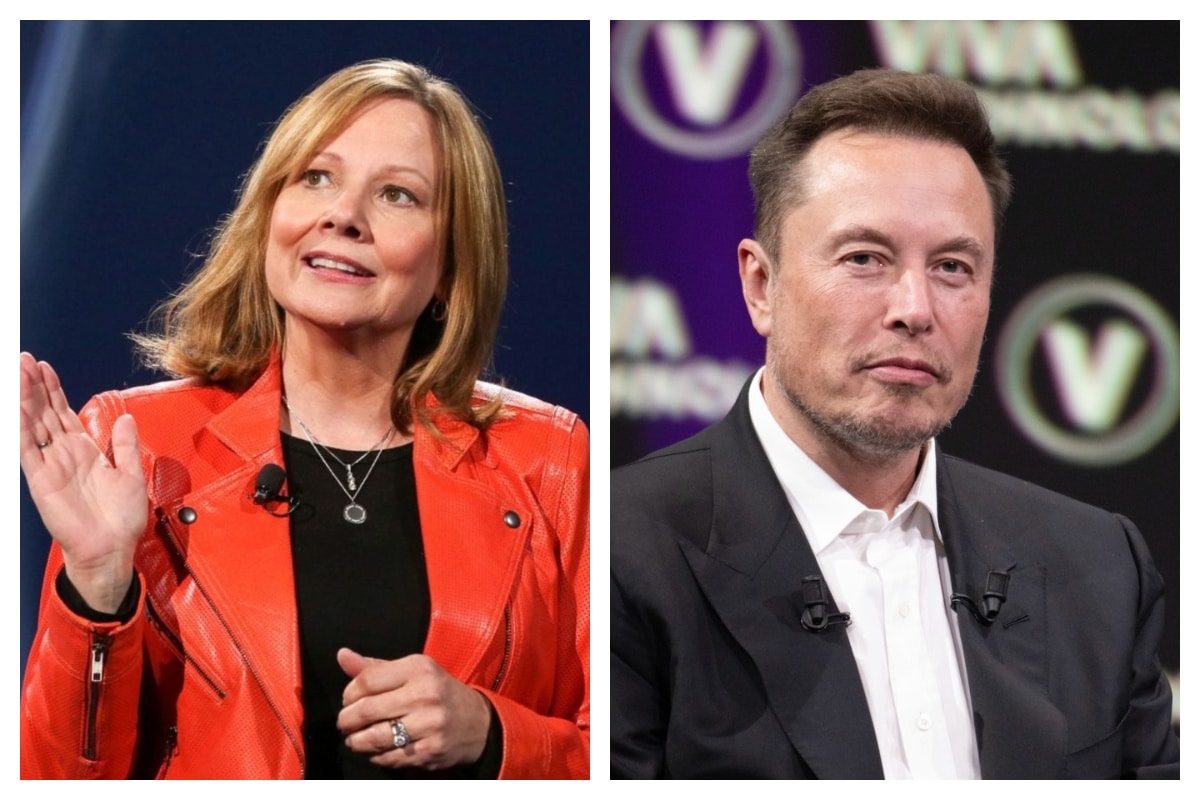
Key Takeaways
- Mary Barra urged President Biden to credit Tesla and Elon Musk for leading the electric vehicle transition.
- Barra highlighted that her recognition was erroneously emphasized over Musk’s contributions during a recent interview.
- President Biden previously acknowledged Barra’s leadership in EVs, but many believe Musk and Tesla deserved more credit.
- In 2021, Tesla outperformed GM significantly in EV deliveries, with 300,000 to GM’s 26 vehicles in Q4 alone.
- Musk criticized the White House for excluding Tesla from EV discussions, pointing out the imbalance in recognition.
In the realm of electric vehicles, recognizing true trailblazers is crucial in understanding the industry’s evolution. Recently, a significant conversation emerged around this topic, spotlighting the contributions of Tesla and its CEO, Elon Musk. General Motors CEO, Mary Barra, has been vocal about sharing the credit, making it clear that Tesla’s pioneering spirit catalyzed the EV transition we witness today.
The Rise of Electric Vehicles: A Collaborative Journey
The electric vehicle (EV) sector has been rapidly evolving, and it’s pivotal to acknowledge the major players driving this transformation. While General Motors (GM) has certainly made significant strides, understanding their role alongside Tesla’s pioneering efforts offers a comprehensive view of the industry’s progress.
Acknowledging Tesla’s Prowess in EV Advancements
Mary Barra recently highlighted in an interview the necessity for President Biden to acknowledge Tesla’s and Elon Musk’s monumental role in spearheading the EV movement. While GM was praised for its EV initiatives, especially following announcements like the goal to be 100% electric by 2035, many within the industry and beyond argue that Tesla set the groundwork for this shift.
Tesla’s innovations have not just been about manufacturing electric cars but also about building an infrastructure and market incentive that inspired traditional automotive giants to pivot towards cleaner energy solutions.
Biden’s Ev Misstep: An Unbalanced Recognition
During a past event, President Biden recognized Mary Barra for her leadership and GM’s commitment to the electric future, which led to a ripple of discussions questioning the exclusion of Tesla from such accolades. Barra herself expressed discomfort with receiving the credit, underscoring that much of the groundwork and momentum in America’s EV journey stemmed from Tesla’s early investments and risks in this sector.
Analyzing the Numbers: Tesla vs. GM
To put the contributions in perspective, Tesla’s performance metrics in recent years speak volumes. Tesla delivered an impressive 300,000 electric vehicles in the fourth quarter of 2021 alone, dwarfing GM’s modest delivery of 26 EVs during the same period. This stark contrast not only highlights Tesla’s dominant market influence but also presents a case for redefining leadership recognition in the EV space.
Elon Musk’s Response: Critique and Clarification
Elon Musk has not been silent on this topic. Criticizing the White House’s approach, Musk pointed out Tesla’s exclusion from crucial EV discussions and summits as a significant oversight. His commentary sheds light on the power dynamics within governmental recognition and how these influence public and industrial perception.
Moving Forward: A Collaborative Vision
While Tesla may have led the charge, the future of the automotive industry rests on collaboration and mutual acknowledgement. As more companies join the electric vehicle race, the narrative must shift towards a shared vision for sustainability and technological advancement. Only through a united industry front can the true potential for an electrified future be realized.