 Gary Zhou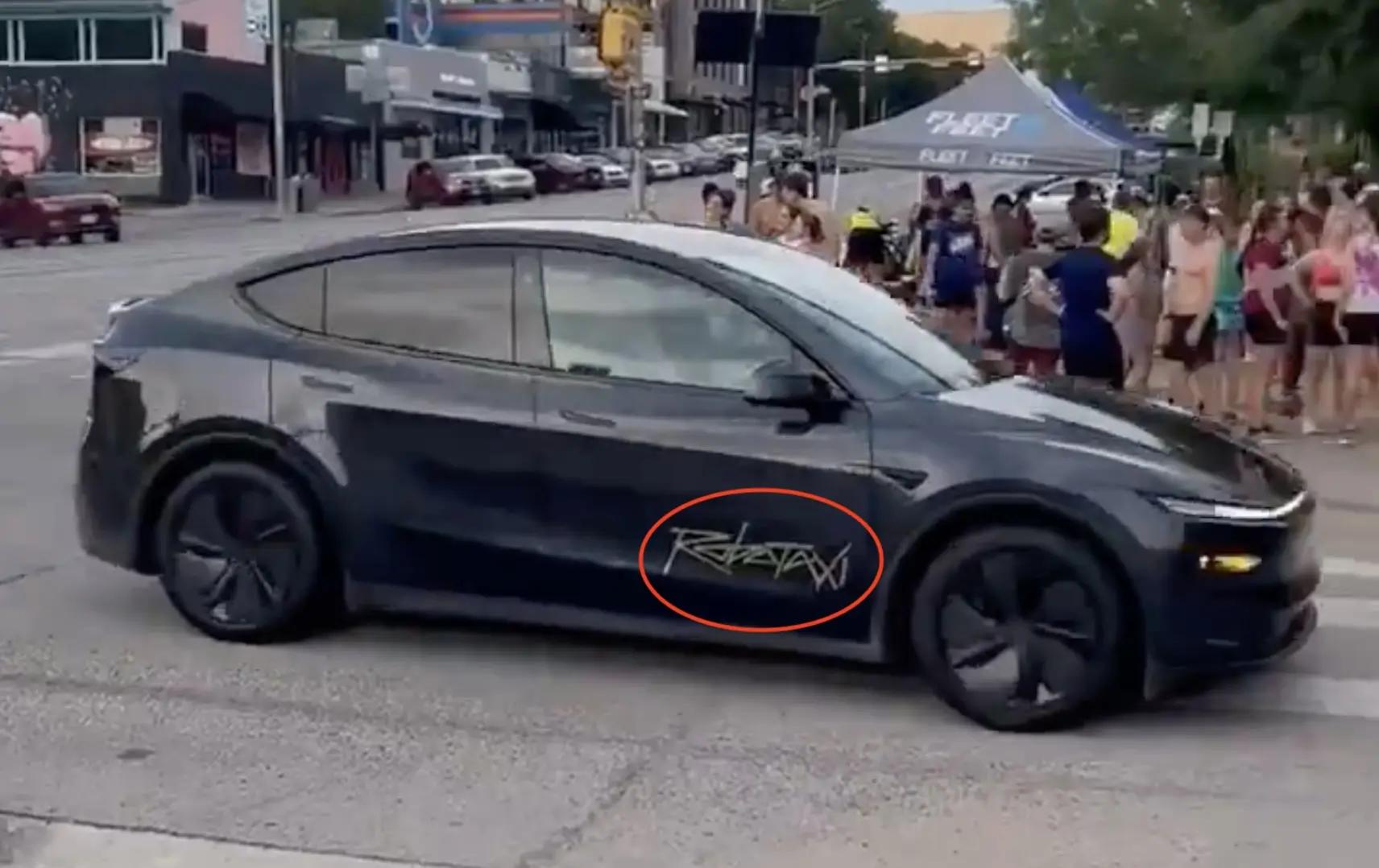
Key Takeaways
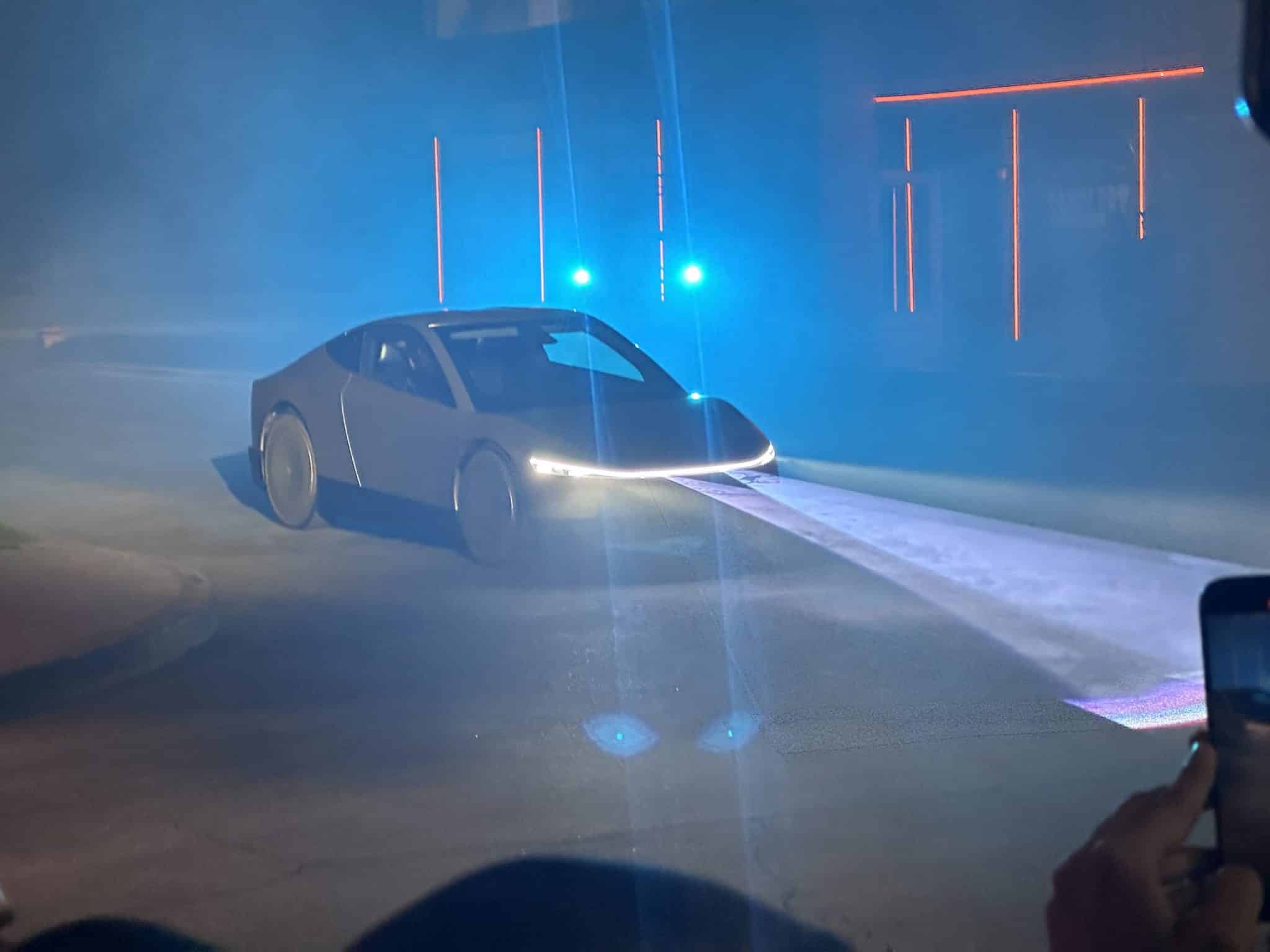
- Tesla’s driverless robotaxi was spotted in Austin, TX, showcasing its ability to operate without a driver.
- A video posted on X highlights the vehicle’s confident movement, resembling any standard car on the road.
- The robotaxi logo will be placed on the front doors, contributing to a sleek appearance.
- Testing of the robotaxi service is currently underway, with a focus on teleoperation for safety.
- Elon Musk anticipates that rides will be available to the public in Austin by the end of June.
With autonomous vehicles steadily moving from the realm of science fiction into our everyday reality, Tesla is once again at the forefront, making headlines with its driverless robotaxi. Spotted recently in Austin, Texas, the Tesla robotaxi is poised to redefine public transportation. This development marks a significant advancement in Tesla’s journey toward an autonomous future. Below, we delve into what this means for urban mobility, the technology that underpins these vehicles, and the potential impact on the public.
The First Sighting: A Glimpse into the Future
Tesla’s driverless robotaxi was recently seen navigating the streets of Austin without any human intervention. A video shared on X captured the autonomous vehicle maneuvering a turn with the same confidence and fluidity as a regular human-driven car. However, what set it apart was the lack of a driver in the cockpit – a visual testament to the leaps Tesla has made in self-driving technology.
Design and Aesthetics
Beyond its technological prowess, Tesla aims to maintain its reputation for sleek, stylish aesthetics. The robotaxi will prominently feature Tesla’s distinctive logo on its front doors, delivering a clean yet sophisticated look. This design decision not only aligns with brand imagery but also helps in easily identifying these futuristic vehicles on the road.
Testing and Safety Protocols
Safety is paramount when it comes to autonomous vehicles, and Tesla is deploying a comprehensive strategy to ensure the safe operation of its robotaxi fleet. Currently, the testing phase is underway in Austin, with Tesla emphasizing teleoperation to closely monitor and control the vehicle’s performance. This approach allows Tesla to gather in-depth data, assess potential risks, and optimize the safety protocols before opening the service to the public.
Expectations and Rollout Timeline
According to Elon Musk, Tesla aims to launch robotaxi rides for the general public in Austin by the end of June. This timeline signifies a pivotal moment for autonomous technology adoption, offering the public a unique opportunity to experience driverless travel firsthand. The introduction of these robotaxis is expected to fundamentally change how urban transportation systems operate, offering a glimpse into a future where cars drive themselves.
Features Unique to Tesla’s Robotaxi
Tesla’s robotaxi boasts several features that set it apart from traditional vehicles and even other competitors in the autonomous sector:
- Advanced Autopilot System: The vehicle is equipped with Tesla’s state-of-the-art autopilot system, featuring advanced sensors and AI algorithms that facilitate seamless navigation, obstacle detection, and real-time decision-making.
- Sleek and Identifiable Design: Tesla’s minimalistic and futuristic design is applied here as well, with the robotaxi being both functional and aesthetically aligned with the brand’s luxury image.
- Teleoperation Capabilities: To ensure safety during the initial rollout phases, teleoperation provides a fail-safe mechanism for human operators to intervene if necessary, further enhancing the robustness of the autonomous systems.
Preparing for the Public: What’s Next?
As Tesla prepares the public for this futuristic mode of transportation, several important factors will come into play:
- Public Education: Explaining how autonomous vehicles operate and the safety measures in place will be crucial for public acceptance.
- Infrastructure Adaptation: Cities will need to consider infrastructural changes to accommodate a fleet of driverless vehicles.
- Regulatory Considerations: Keeping up with changing regulations and ensuring compliance will be essential to expand and maintain a sustainable robotaxi service.
Tesla’s venture into the driverless robotaxi market represents more than just a technological achievement; it signifies a transformative era in how we perceive and utilize transportation. With testing well underway and the anticipation of a public rollout in Austin by the end of June, the Tesla robotaxi is not just about convenience but also signals a future that marries sustainability with cutting-edge innovation.