 Gary Zhou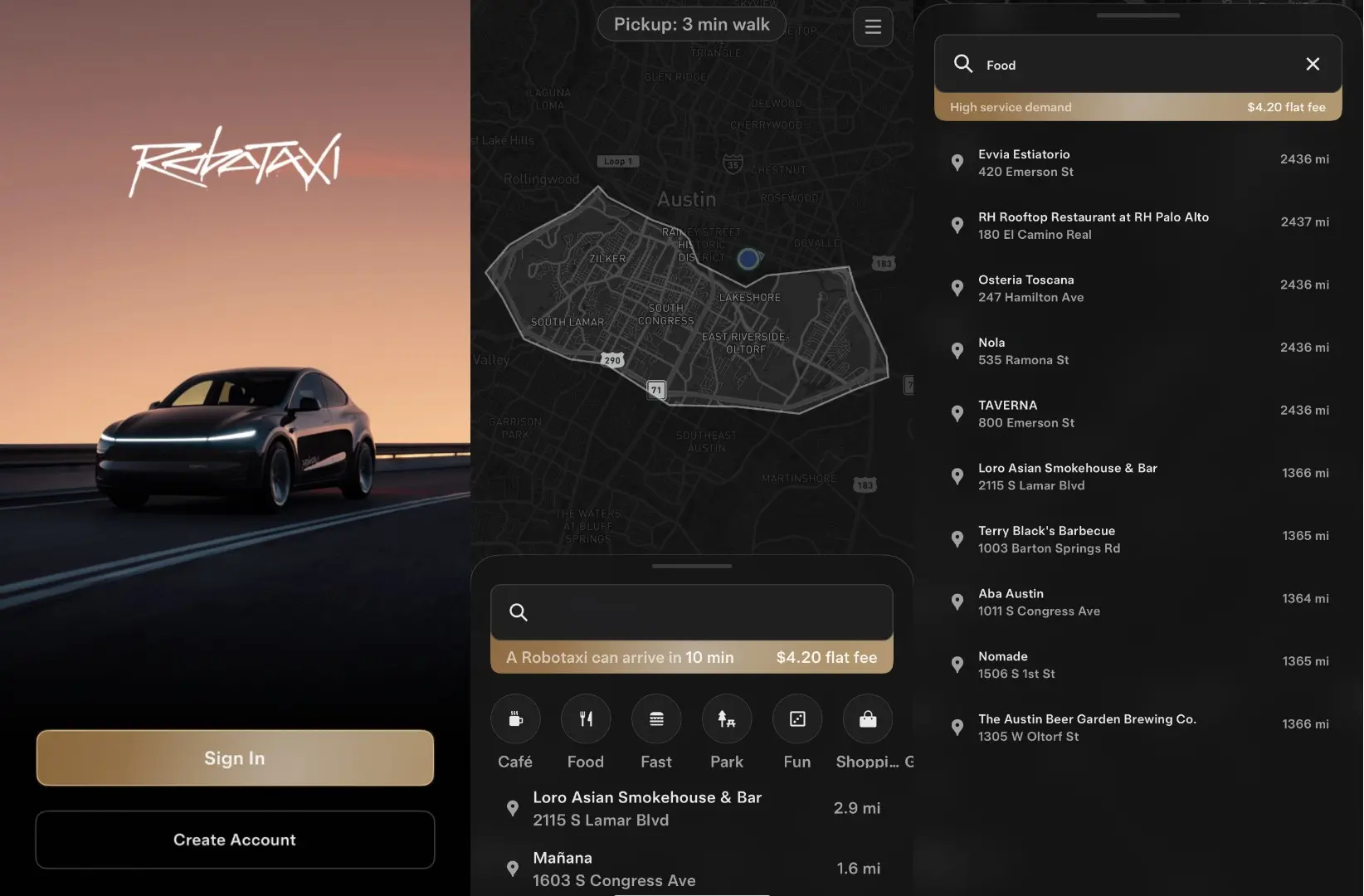
Key Takeaways
- Tesla expands Robotaxi geofence to 171 square miles in Austin, surpassing Waymo’s 90 square miles.
- Ongoing rivalry between Tesla and Waymo benefits consumers with improved ride-sharing services.
- Tesla’s recent expansion is a significant growth step, including suburb areas and Gigafactory Texas.
- Sarfraz Maredia noted Waymo’s growth enhances rider experience through the Uber app.
- Anticipation builds for Waymo’s potential response to Tesla’s latest expansion.
In recent years, the landscape of autonomous driving and ride-sharing services has been dramatically transformed by the fierce competition between two giants: Tesla and Waymo. These companies have not only advanced the technology behind self-driving vehicles but have also significantly broadened their service areas, with the latest development taking place in Austin, Texas. Tesla’s recent expansion of its Robotaxi geofence marks a pivotal moment in this ongoing rivalry, offering new insights into the future of autonomous mobility.
Tesla’s Strategic Geofence Expansion
Tesla’s move to expand its Robotaxi service area to 171 square miles in Austin places them ahead of Waymo, which currently boasts a 90 square mile coverage. This strategic expansion not only demonstrates Tesla’s commitment to capturing market share but also emphasizes the importance of geographic reach in the autonomous vehicle race.
- Broadened Service Area: By extending its geofence, Tesla now includes Austin’s suburban regions and even the Gigafactory Texas, making autonomous rides more accessible to a larger population.
- Market Leadership: Surpassing Waymo’s coverage by almost double signifies Tesla’s aggressive growth strategy and its resolve to dominate the autonomous ride-sharing market.
The Consumer’s Advantage
The competition between Tesla and Waymo is not just a corporate battle; it directly benefits consumers by enhancing the quality and scale of services available.
- Enhanced Accessibility: With Tesla’s expanded geofence, more consumers have access to cutting-edge ride-sharing technology, which may lead to better service offerings and cheaper rides due to increased competition.
- Innovation-Driven Improvements: The rivalry pushes both companies to continuously innovate, resulting in safer, more efficient, and reliable autonomous driving options for passengers.
Waymo’s Strategic Responses
Sarfraz Maredia, Global Head of Autonomous Mobility & Delivery at Uber, highlighted how Waymo’s growth “unlocks key milestones,” offering more riders the opportunity to experience fully autonomous rides. However, Waymo will likely prepare to counter Tesla’s aggressive expansion with strategic enhancements of its own.
- Technological Enhancements: Waymo might focus on refining its technology to improve user experience, like reducing wait times and improving ride comfort.
- Service Area Growth: We can anticipate further expansion of Waymo’s geofence, potentially targeting new regions or reinforcing its presence in existing ones.
The Road Ahead: Future Implications
The Tesla-Waymo rivalry signals immense potential for the future of autonomous driving technology. Here are a few considerations on what might lie ahead:
- Regulatory Challenges: As these services expand rapidly, regulatory hurdles will likely influence how quickly and extensively these technologies can be implemented.
- Partnerships and Collaborations: Companies may form strategic partnerships to leverage each other’s strengths, opening new avenues for growth and technology sharing.
- Long-Term Sustainability: Environmental sustainability will become an increasingly central focus as the electric vehicle market grows alongside autonomous technologies.