 Gary Zhou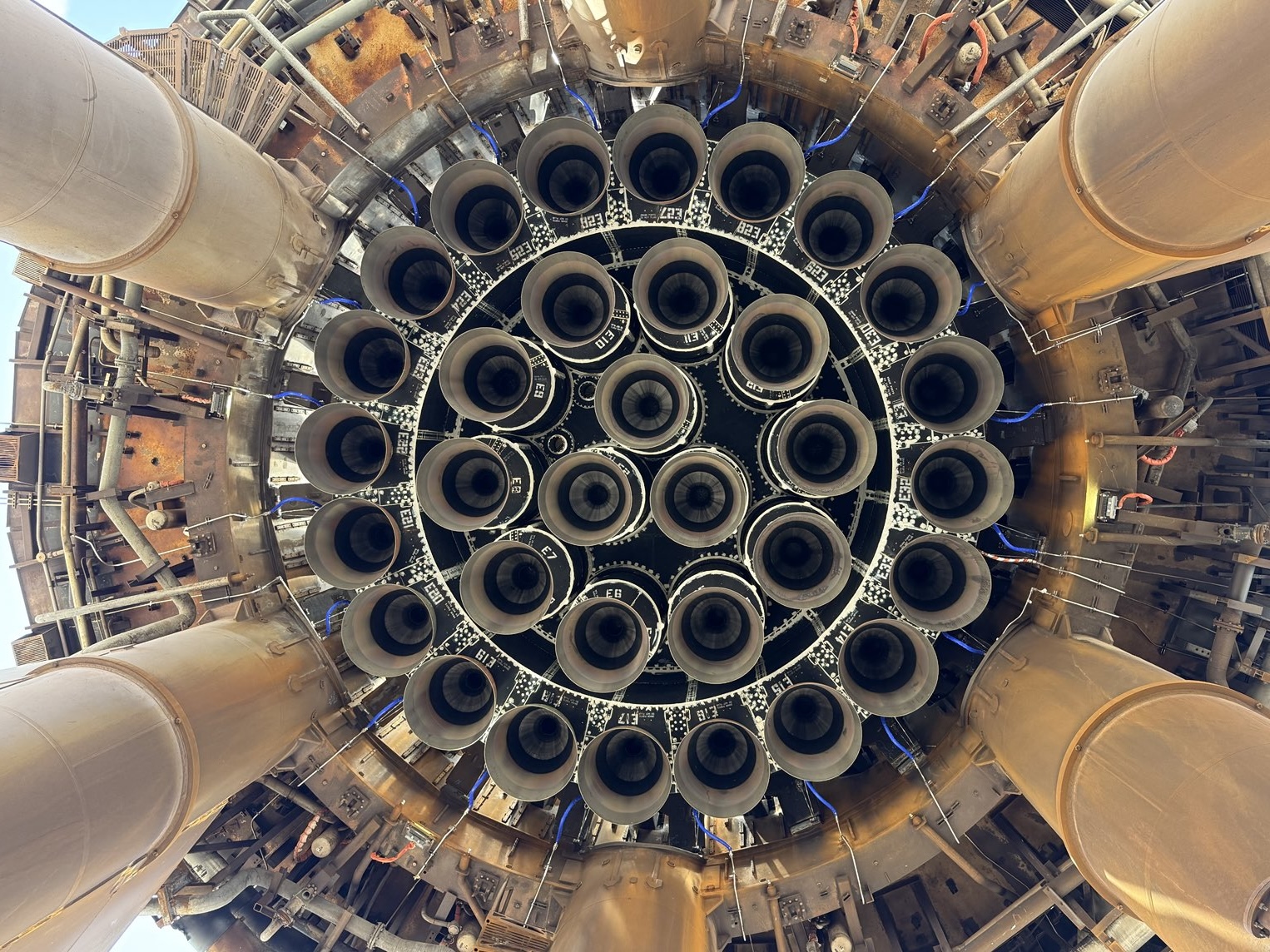
Key Takeaways
- Elon Musk believes a self-sustaining city on Mars could be established in 25-30 years if launch capacity increases significantly.
- The development of Mars requires creating all essential components of civilization, including food production and manufacturing.
- Musk emphasized the importance of exponential growth in launch tonnage during each Mars transfer window, which occurs approximately every two years.
- Starship Version 3 will support future uncrewed test flights and has a goal of lifting over 100 tons into orbit.
- The heat shield for the Starship remains a significant technical challenge for achieving full reusability.
Elon Musk has projected a vision that captivates dreamers and space enthusiasts alike: a self-sustaining city on Mars within the next 25 to 30 years. This ambitious goal hinges on significant advancements in space launch capabilities, coupled with the technological prowess to construct a thriving, full-fledged city far beyond Earth.
Understanding the Foundations of a Martian Settlement
The successful creation of a self-sustaining city on Mars requires an infrastructure that can support human life independently. Here are the critical components:
- Sustainable Food Production: Unlike Earth, Mars lacks arable soil, thus necessitating innovative agricultural practices such as hydroponics or aquaponics to produce the necessary food for settlers.
- Advanced Manufacturing: To maintain and expand, the city will require the ability to produce essential goods on-site, from shelter building materials to sophisticated microchips.
- Reliable Energy Sources: Solar and potentially nuclear power will be essential to provide the energy needed for life support systems, manufacturing, and exploration.
- Life Support Systems: These systems must ensure a stable supply of oxygen, water, and suitable living conditions to sustain human populations.
The Role of Starship in Mars Colonization
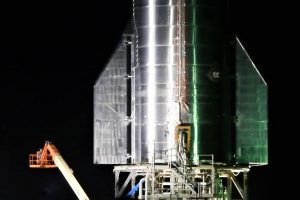
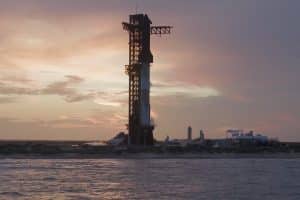
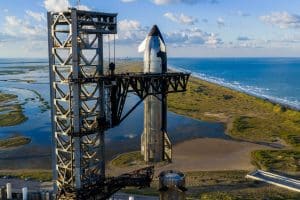
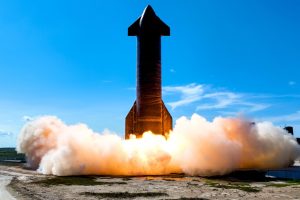
One of the pivotal elements in achieving Musk’s Mars vision is the SpaceX Starship, specifically its Version 3. The development of Starship is centered around several key accomplishments:
- Heavy Payload Delivery: Starship aims to transport over 100 tons of payload to Mars, a requirement fundamental to ferry the building blocks of a Martian city.
- Uncrewed Test Flights: Initial uncrewed missions will pave the way for testing critical technologies needed for Mars missions.
- Reusability: While the Super Heavy booster has demonstrated reuse, perfecting the Starship’s reusability is ongoing, with significant hurdles remaining, particularly with heat shield technology.
Tackling the Challenges of Heat Shield Reusability
Reusability is central to the economic viability of Mars missions. Starship’s heat shield technology represents a pioneering effort toward creating a fully reusable orbital vehicle. The primary issues are:
- Technological Innovation: Developing a heat shield that can withstand multiple entries and exit cycles without requiring extensive repairs remains unsolved. This was a challenge with the Shuttle’s heat shield, which demanded lengthy repair times post-flight.
- Material Science Advancements: Designing materials that can cope with extreme thermal conditions and the dynamics of atmospheric entry is crucial.
Elon Musk’s proposition to build a self-sustaining city on Mars is much more than just a futuristic vision; it’s an ongoing challenge that pushes the boundaries of what’s technologically possible. The lessons learned along the journey will not only pave the way for multiple planetary species but will also inspire generations willing to explore and colonize new worlds.