 Gary Zhou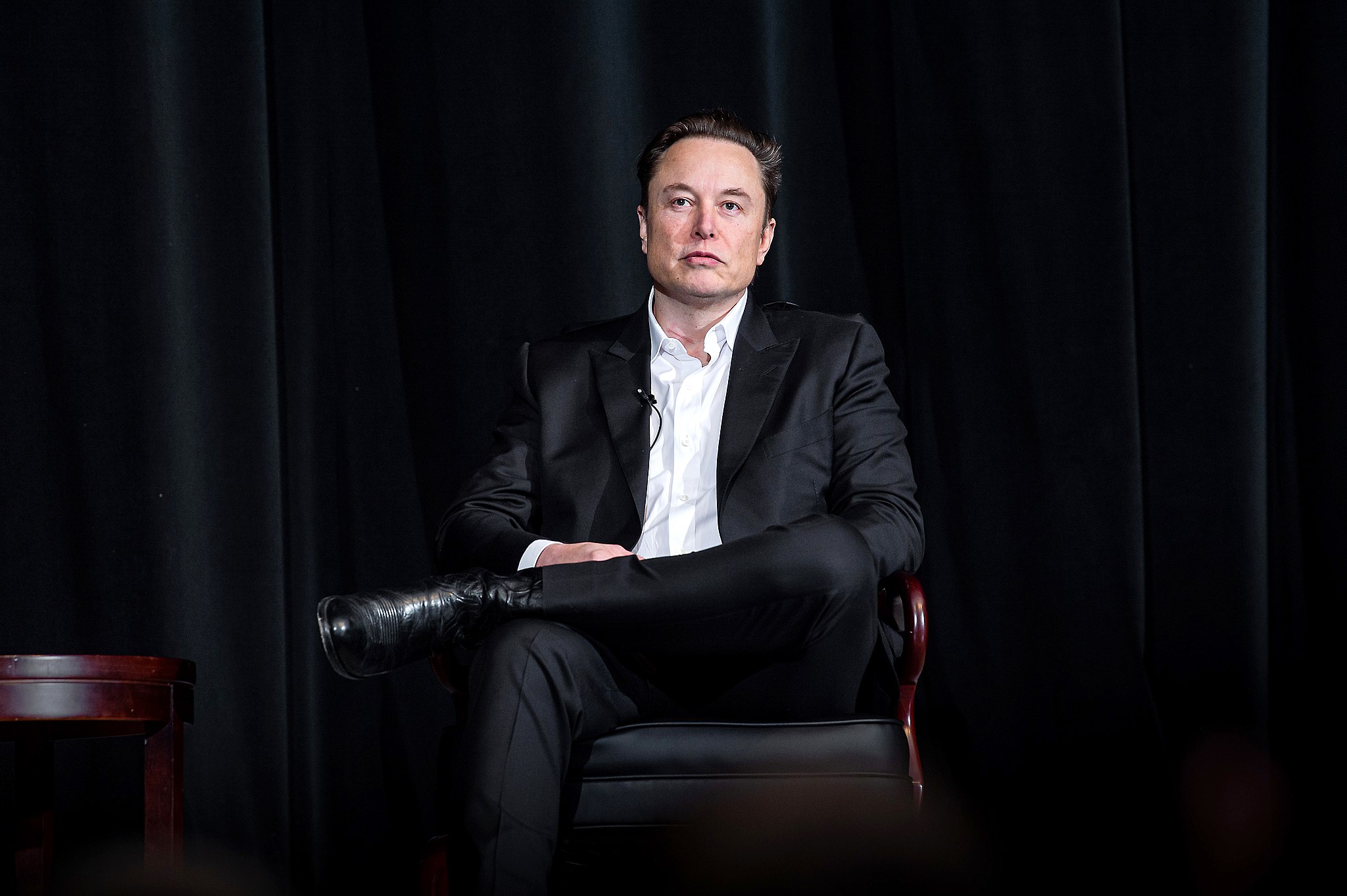
Key Takeaways
- Elon Musk warns that legacy automakers are ignoring Tesla’s advancements in self-driving technology, echoing their past dismissal of EVs.
- Tesla’s Full Self-Driving (FSD) is the most robust self-driving suite available and operates universally, unlike competitors’ limited offerings.
- Legacy automakers risk repeating history by underestimating disruptive innovations, much like they did with EVs a decade ago.
- Despite Musk’s attempts to license FSD technology, legacy companies remain hesitant, often due to competitive pride or regulatory concerns.
- Automakers like Ford and GM are struggling with their EV and self-driving projects, falling behind Tesla’s advancements and market share.
- Tesla’s self-driving tech has proven to be significantly safer than human driving, highlighting the potential benefits for road safety.
In the ever-evolving landscape of automotive innovation, standing still is akin to moving backwards. Today, the spotlight shines brightly on self-driving technology, a domain where Tesla continues to lead. Elon Musk, the visionary CEO of Tesla, has been vocal about legacy automakers’ hesitance to adopt Tesla’s Full Self-Driving (FSD) technology, a stance reminiscent of their initial dismissal of electric vehicles (EVs). This blog post delves into the crucial issues surrounding this technological divide and why it is imperative for traditional automakers to embrace change.
The Current State of Self-Driving Technology
Tesla’s Technological Leap
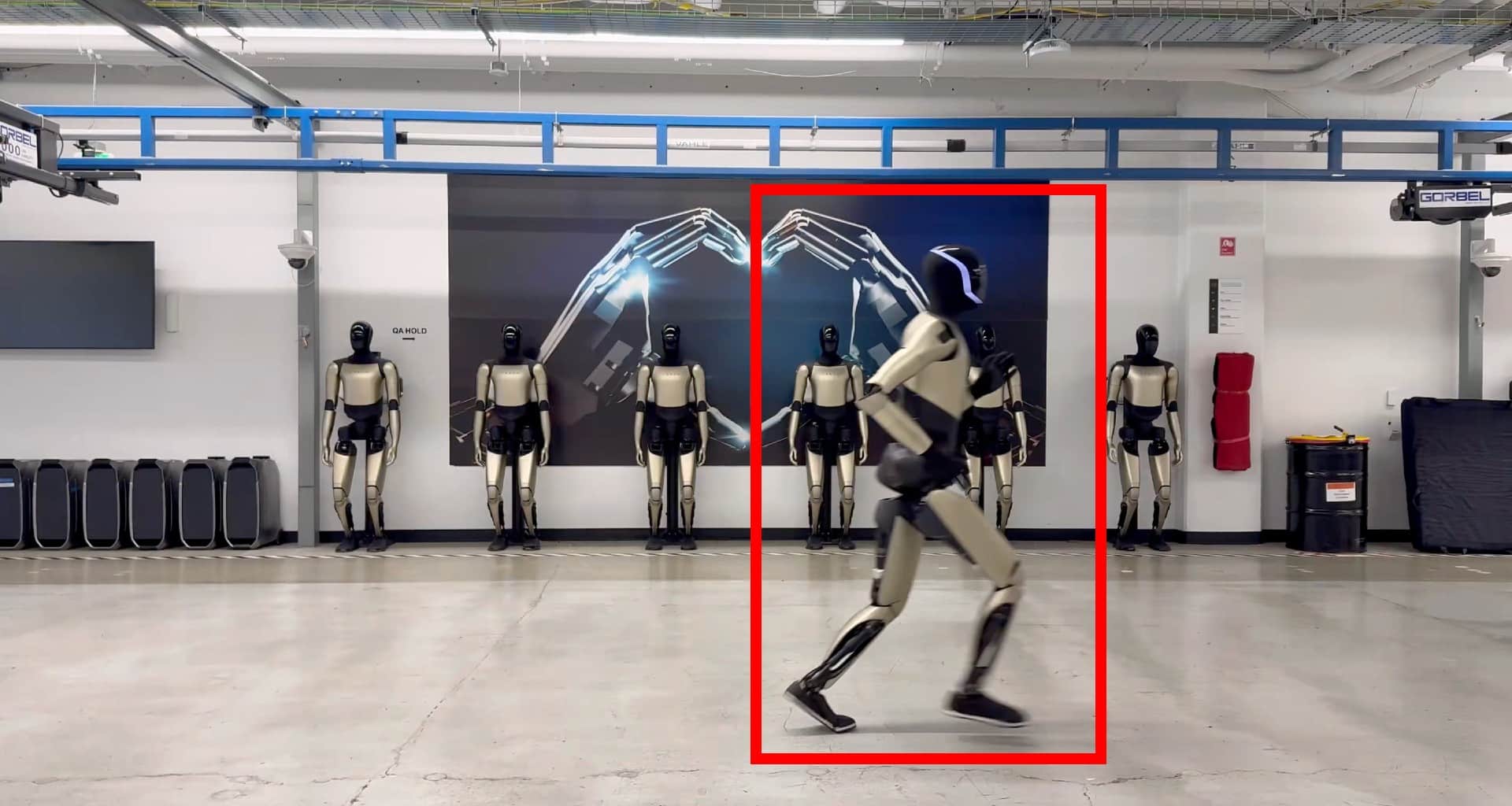
Tesla’s Full Self-Driving (FSD) suite stands as a beacon of innovation in the automotive industry. Unlike its competitors, Tesla’s FSD technology is not restricted by geographical boundaries; it offers drivers a seamless and comprehensive self-driving experience anywhere and everywhere. This universal applicability sets Tesla apart as a leader in autonomous vehicle technology, with substantial implications for road safety and driving efficiency.
Competitor Analysis
While Tesla forges ahead, legacy automakers like Ford and GM find themselves grappling with their self-driving initiatives. These companies are still in catch-up mode, largely due to underestimating the pace and potential of disruptive innovations. Despite having their own in-house development projects, their reluctance to adopt Tesla’s superior technology paints a picture of missed opportunities and strategic inertia.
Why Legacy Automakers Are Hesitant
- Competitive Pride: Many traditional automakers are driven by a desire to develop homegrown solutions, even if those solutions are less effective or not ready for the market.
- Regulatory Concerns: The complex web of regulatory requirements for self-driving technology presents a significant barrier, leading companies to hesitate on adopting external technology platforms.
- Cost Implications: Licensing advanced technologies like Tesla’s FSD can be costly, driving automakers to rely on their own, often underdeveloped, systems to cut expenses.
Historical Echoes: The Electric Vehicle Parallel
A decade ago, the automotive industry witnessed a similar narrative unfold with electric vehicles. Companies that initially dismissed EVs as a passing trend soon found themselves racing to catch up as Tesla redefined what was possible. The echoes of this past technological underestimation are becoming deafening as legacy automakers watch Tesla accelerate into the future of driving autonomy.
The Cost of Inaction
The reluctance of legacy automakers to embrace Tesla’s cutting-edge technology is more than a strategic oversight; it’s a risk that could result in significant market share erosion. The longer these companies delay integrating advanced self-driving capabilities, the more they risk falling behind not just Tesla, but other tech-savvy competitors as well.
The Path Forward: Embracing Change
Collaboration Over Competition
To truly capitalize on the self-driving revolution, legacy automakers must shift from seeing Tesla as a competitor to recognizing it as a potential partner. Licensing Tesla’s FSD could offer immediate benefits, providing access to road-tested, market-proven technology that could enhance their own offerings.
Strategic Partnerships
- Join Forces: Partnering with tech leaders like Tesla can offer specialized expertise and technological advancement that outpaces current in-house capabilities.
- Cultural Shift: An internal shift towards innovation and tech collaboration can help ease the cultural barriers often entrenched in legacy corporations.
Investing in Infrastructure
Legacy automakers must also address the broader ecosystem needs, such as building robust infrastructure to support autonomous and electric vehicles. Investing in smart infrastructure can pave the way for enhanced vehicle performance and broader acceptance of self-driving technology.
The Imperative to Adapt
Elon Musk’s warnings are not just calls for others to adopt Tesla’s technology, but clarion calls for an entire industry to step into the future before another wave of innovation leaves them behind. The stakes are higher than market share; they encompass the very definition of what the driving experience will be for generations to come. It’s time for legacy automakers to recognize the potential of collaboration and innovation to redefine their role in a rapidly transforming industry.