 Gary Zhou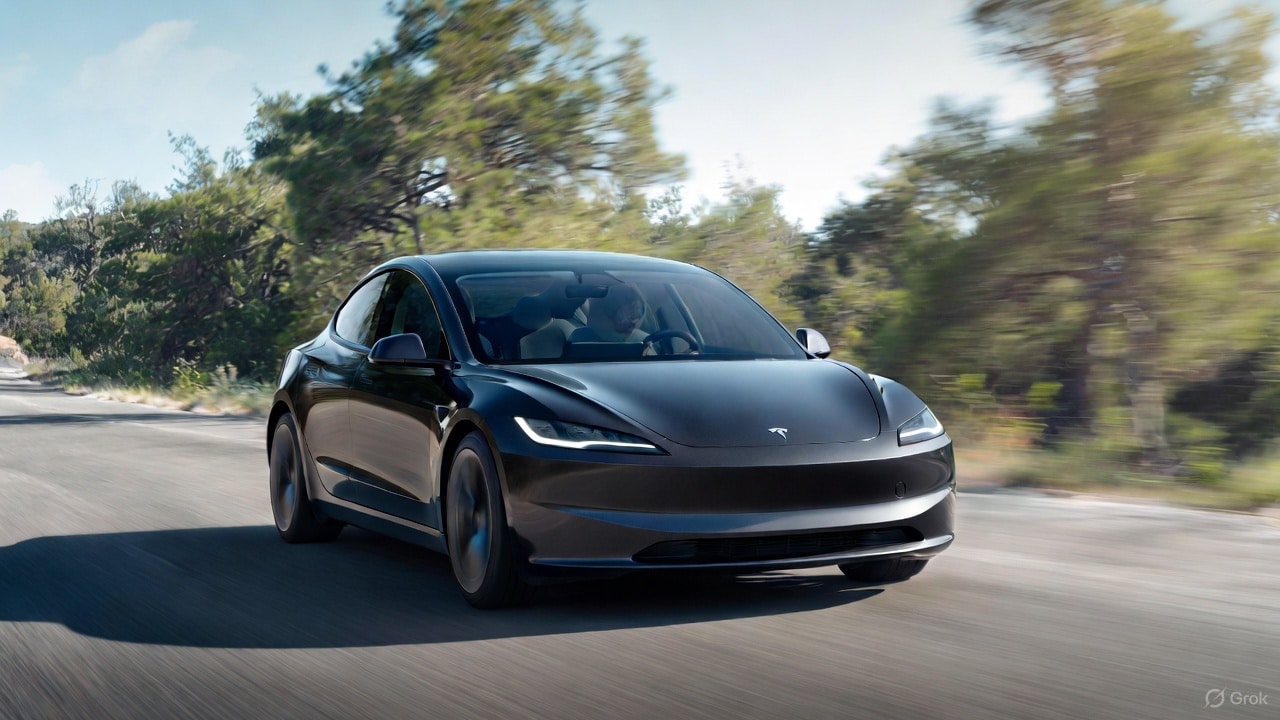
Key Takeaways
- Tesla launches Europe’s first public shuttle service using Full Self-Driving in rural Germany.
- Local officials test the service and commend its effectiveness on narrow country roads.
- Arzfeld Mayor Johannes Kuhl describes FSD as feeling like “a very experienced driver.”
- District Administrator Andreas Kruppert highlights that autonomous driving is practical, even in rural regions.
- The shuttle service enhances mobility for residents, aiding everyday tasks like grocery runs and doctor visits.
- The initiative supports the existing “Citizen Bus” program for elderly residents needing transport assistance.
- Rhineland-Palatinate’s Minister Daniela Schmitt praises the project as innovative and beneficial for rural mobility.
Tesla has embarked on a groundbreaking journey by launching Europe’s first public shuttle service using Full Self-Driving (FSD) technology in the picturesque rural region of Eifelkreis Bitburg-Prüm, Germany. This initiative not only demonstrates the potential of autonomous driving technology but also showcases how it can significantly enhance mobility and independence for people residing in areas with limited transportation options. Let’s explore the details, implications, and transformative potential of Tesla’s innovative project.
The Dawn of Autonomous Mobility in Rural Germany
Tesla’s launch of a public shuttle service using Full Self-Driving in a rural part of Germany marks a significant milestone in the journey towards autonomous mobility. In regions where public transport routes are sparse or non-existent, Tesla’s shuttle service promises to restore independence and mobility for residents who otherwise face limited transportation options.
Local Officials Give the Thumbs Up to Tesla’s FSD
Testing and Testimonials
Local officials, including Arzfeld Mayor Johannes Kuhl and District Administrator Andreas Kruppert, undertook the crucial responsibility of hands-on testing of this new service. Both officials praised the seamless and human-like driving experience provided by the FSD technology. Kuhl noted that the experience felt akin to being driven by a very experienced driver, while Kruppert emphasized the practicality of autonomous driving even in less urbanized rural regions.
Enhancing Rural Mobility: More Than Just a Ride
Everyday Benefits
The Tesla shuttle service is strategically designed to make everyday tasks more accessible for rural residents. From grocery shopping to medical appointments, the autonomous shuttle ensures that no task is too challenging due to lack of transport. By adopting FSD technology, residents enjoy a new level of convenience and flexibility, directly addressing the mobility challenges faced by rural communities.
Complementing Community Initiatives
Moreover, Tesla’s shuttle service plays a vital role in augmenting the region’s existing “Citizen Bus” program. This on-demand service primarily caters to elderly residents who no longer have the ability to drive. Tesla’s integration of FSD technology not only supports these residents but also empowers them to maintain their independence and social connections.
Pioneering Innovation in Rural Mobility
Government and Industry Collaboration
Rhineland-Palatinate’s Minister Daniela Schmitt lauded the initiative, highlighting the collaboration that made the first such project in Europe possible. The ministry expressed the view that this initiative could redefine rural mobility, offering greater accessibility and flexibility, while setting a strong precedent for innovation and future-oriented solutions.
A Vision for the Future
Tesla’s deployment of Full Self-Driving technology in Eifelkreis Bitburg-Prüm is a harbinger of the future of transportation, especially in rural sectors that often lag behind in technological advancements. By bridging the mobility gap with autonomous shuttles, Tesla is not just showcasing the technological marvel of FSD but is also paving the way for future innovations that can make everyday life easier, safer, and more independent for residents of rural regions.