Category: Tesla

Tesla’s FSD Licensing Drought: Why Legacy Automakers Are Repeating Their EV Mistakes

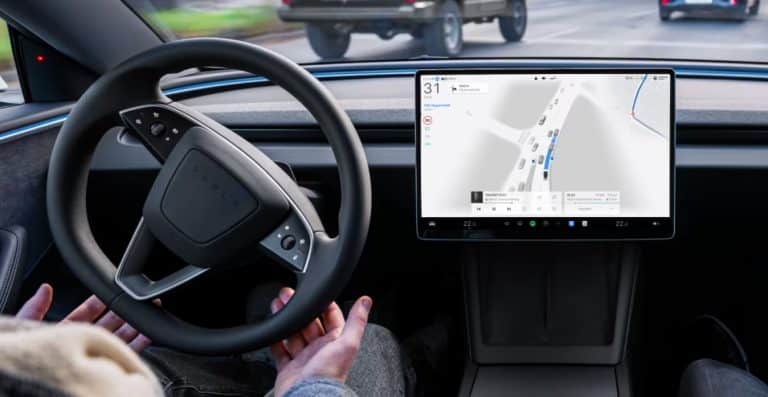
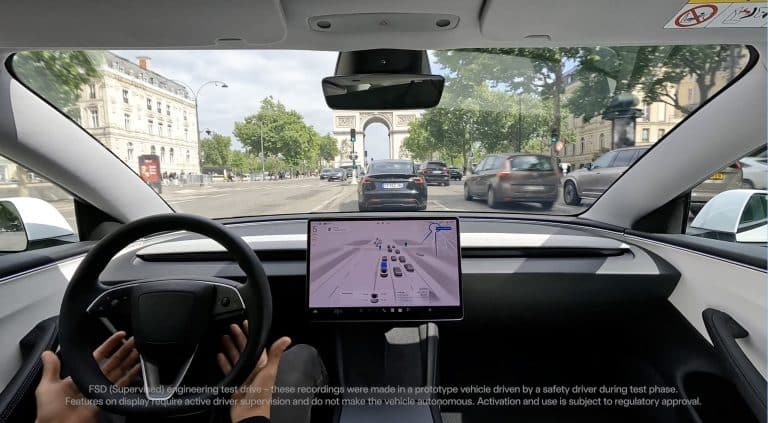
As a veteran automotive analyst and blogger specializing in electric vehicles and autonomous driving tech, I’ve followed Tesla’s journey from a scrappy EV startup to the undisputed leader in self-driving software. Recently, Tesla VP of Finance Sendil Palani dropped a bombshell on X (formerly Twitter): despite Tesla’s “best efforts to share the technology,” licensing Full Self-Driving (FSD) “has not proven to be easy.” This candid admission, made in response to a fan questioning whether Tesla would continue manufacturing vehicles, underscores a persistent roadblock in the industry. Competitors—lagging far behind in autonomy—are turning down what could be a golden ticket to catch up. Is this hubris, fear, or something else? In this deep dive, we’ll unpack the history, the hurdles, and what it means for Tesla’s future dominance.

Tesla VP Lars Moravy’s Bold Senate Testimony: Why America Needs a Federal AV Framework Now

In a pivotal moment for the autonomous vehicle (AV) industry, Tesla’s Vice President of Vehicle Engineering, Lars Moravy, took the stage before the U.S. Senate Commerce Committee on February 4, 2026. During the hearing titled “Hit the Road, Mac: The Future of Self-Driving Cars,” chaired by Senator Ted Cruz, Moravy made a compelling case for a unified federal framework to govern AV development and deployment. Joined by witnesses from Waymo and the Autonomous Vehicle Industry Association, his testimony wasn’t just a plea—it was a wake-up call. With China racing ahead in AV tech, outdated state-by-state regulations are stifling U.S. innovation, safety advancements, and economic leadership. As a blogger who’s followed Tesla’s AV journey since the early Autopilot days, I see this as a defining crossroads. Let’s dive deep into the key points, backed by data, and explore what it means for the future of mobility.

Tesla CarPlay in 2026: Still Cooking or Just Hot Air? The Latest Scoop on Tesla’s Infotainment Evolution

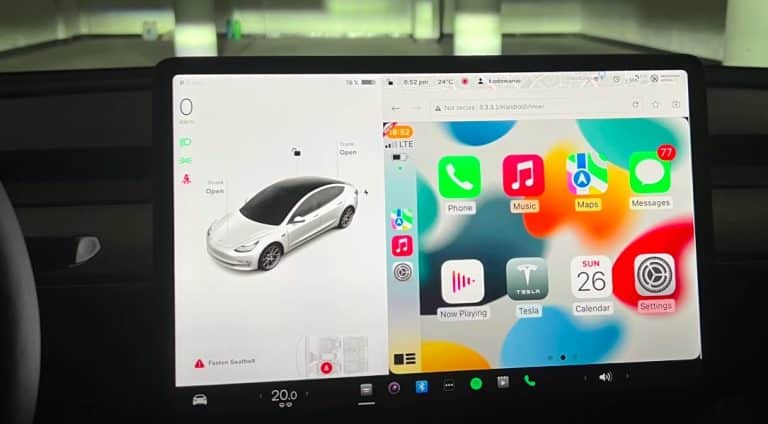
As a seasoned Tesla enthusiast and EV blogger who’s owned multiple Model 3s and Ys since 2019, I’ve followed the saga of Apple CarPlay integration with bated breath. Tesla’s proprietary UI has long been a crown jewel—seamless, intuitive, and deeply integrated with the car’s hardware. But whispers of CarPlay support have tantalized owners and potential buyers alike, especially amid softening sales and fierce competition. Fast-forward to early 2026: Is Elon Musk’s fortress finally cracking? In this deep dive, we’ll unpack the latest reports, compare Tesla’s UI to CarPlay head-to-head, analyze market pressures, and share my unfiltered take on whether you should hold out or hack your way to happiness.

Tesla’s Epic 9 Million Fleet Milestone: How China Powered the Surge and What’s Next for EV Dominance

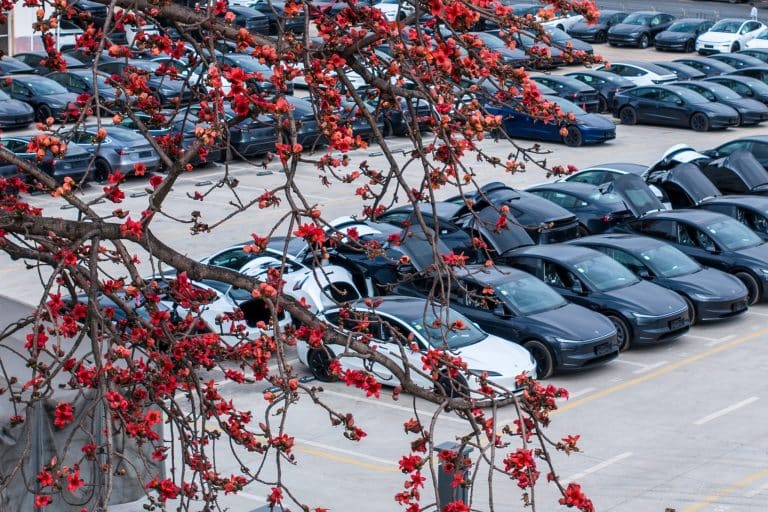
As a seasoned EV enthusiast and blogger who’s been tracking Tesla since the Roadster days, I’m thrilled to dive into this landmark achievement. Tesla’s global fleet has officially surpassed 9 million vehicles—a testament to relentless innovation, scaling prowess, and a savvy pivot toward high-volume models like the Model 3 and Model Y. Announced by Tesla China, this milestone isn’t just a number; it’s a story of transformation from a niche sports car maker to the world’s EV juggernaut. But with China sales booming in December 2025 yet dipping yearly, what does this mean for Tesla’s future? Let’s unpack the data, history, challenges, and my take on where Elon Musk’s empire heads next.

Tesla’s Game-Changing Move: Affordable Model Y AWD Launch Amid Model S/X Shutdown for Optimus Robot Revolution

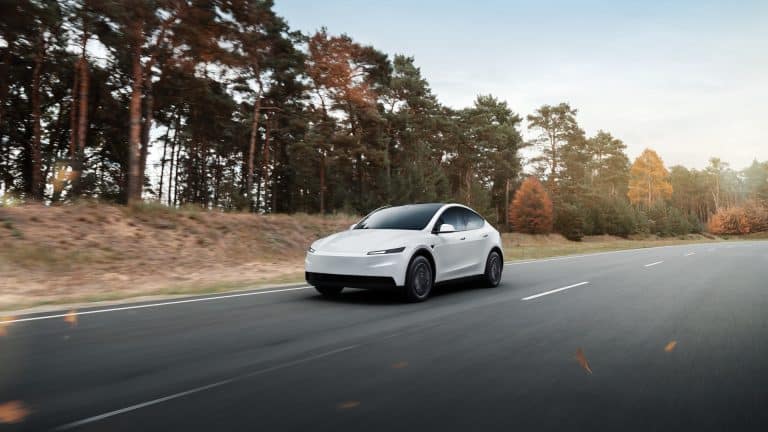
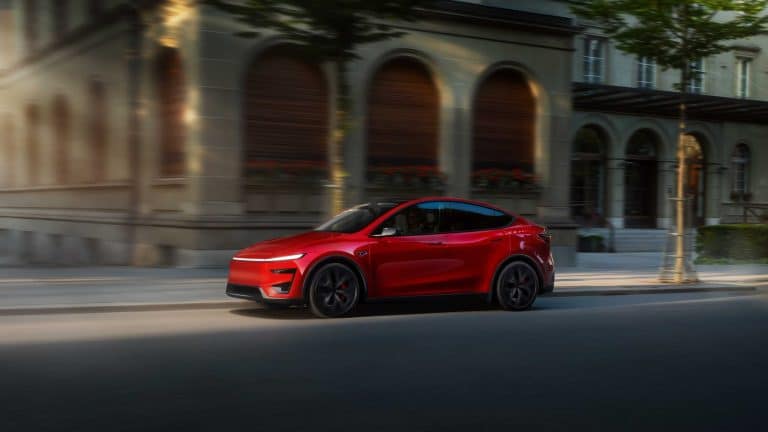
As a seasoned Tesla enthusiast and EV blogger with over a decade tracking the electric vehicle revolution, I’ve seen Elon Musk pull off some audacious pivots. But the latest? Launching a budget-friendly Model Y All-Wheel-Drive configuration while announcing the end of Model S and X production to prioritize Optimus humanoid robots at Fremont—it’s a seismic shift signaling Tesla’s all-in bet on autonomy and robotics. In this deep dive, we’ll unpack the new Model Y variant, trim differences, the S/X sunset, and what it means for buyers and Tesla’s future dominance.

Is the 2026 Tesla Model Y Performance Worth the $11,000 Upgrade? An In-Depth Week-Long Review

As a seasoned EV enthusiast and Tesla owner with over 50,000 miles behind the wheel of multiple Model Y variants, I’ve been eagerly awaiting real-world insights into the 2026 refresh. When Teslarati snagged a brand-new Model Y Performance for a full seven-day test drive—courtesy of Tesla itself—it sparked my interest. The reviewer, already a Premium All-Wheel-Drive (likely Long Range AWD) owner, put the $11,000 price premium under the microscope. Spoiler: The results are nuanced, blending thrilling upgrades with some underwhelming realities. In this post, I’ll break it down with fresh data from 2026 specs, owner reviews, and performance benchmarks to help you decide if this sporty beast deserves your hard-earned cash.

Tesla’s Monumental 4680 Battery Breakthrough: Dry Electrode Scaling Unlocks the Future of Affordable EVs

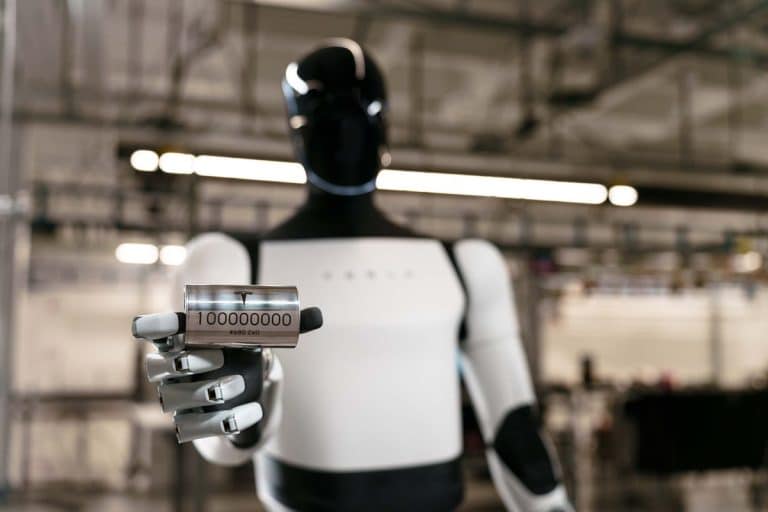
As a seasoned EV enthusiast and tech blogger who’s been tracking Tesla’s battery innovations since the early days of the Model S, I can confidently say this is one of the biggest stories in electric vehicles right now. On February 2, 2026, Elon Musk took to X (formerly Twitter) to celebrate a hard-fought victory: Tesla has finally scaled the dry electrode process for its revolutionary 4680 battery cells. This isn’t just incremental progress—it’s a paradigm shift that promises cheaper, more efficient batteries at massive scale. In Tesla’s Q4 and FY 2025 shareholder update, the company confirmed it’s producing 4680 cells in Austin with both anode and cathode made via this dry process. And to top it off, Model Y vehicles are now rolling out with these packs. Let’s dive deep into what this means, why it took so long, and how it positions Tesla to dominate the EV wars.

Tesla China Catches Optimus V3 Fever: The Humanoid Robot Revolution Accelerates Toward Mass Production

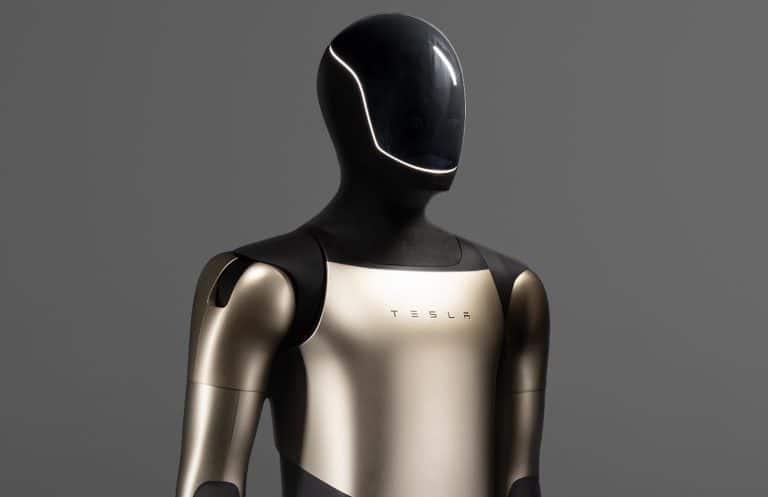
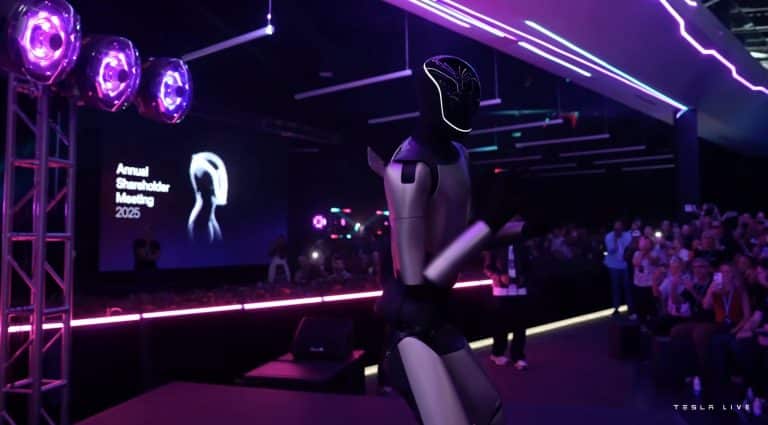
As a longtime Tesla watcher and robotics enthusiast with over a decade covering the intersection of AI, electric vehicles, and automation, I’ve seen bold promises come and go. But Tesla’s latest move—Tesla China teasing the imminent unveiling of Optimus V3 on Weibo—feels like the spark that’s igniting a full-blown humanoid revolution. This isn’t just hype; it’s backed by concrete production shifts, Elon Musk’s Q4 2025 earnings call revelations, and a redesign philosophy that’s pure Tesla: first principles. In this deep dive, we’ll unpack the buzz, dissect V3’s game-changing features, explore the global production playbook (with a spotlight on Giga Shanghai), and analyze what this means for investors, workers, and the future economy. Buckle up—this could be Tesla’s biggest pivot since the Roadster.

Tesla’s Robotaxi Revolution: How a Two-Seater Cybercab Could Dominate Urban Mobility

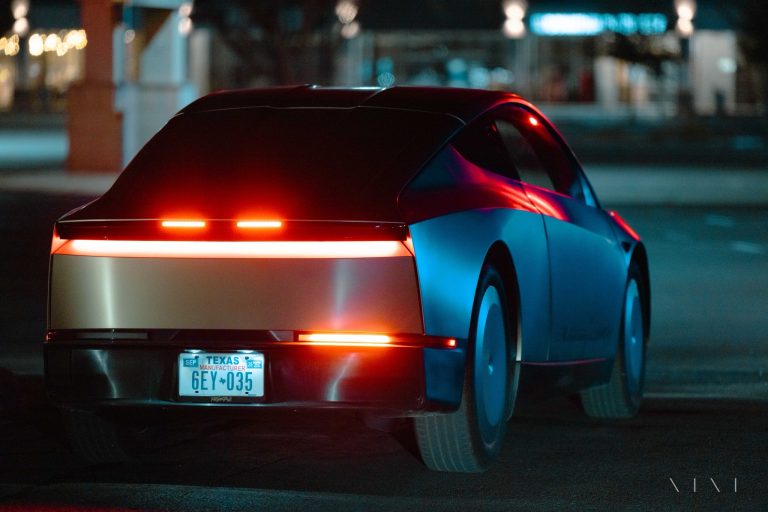
In the fast-evolving world of autonomous vehicles, Tesla is positioning itself not just as a carmaker, but as a comprehensive mobility provider. During the recent Q4 and FY 2025 earnings call, executives Lars Moravy and Elon Musk laid out a bold vision for Robotaxi services that doesn’t hinge on cramming everyone into a single vehicle type. Instead, Tesla is leveraging data-driven design and a diversified fleet to cover every passenger scenario—from solo commuters to large groups. This approach, rooted in real-world usage patterns, could redefine urban transportation, making it safer, cheaper, and more efficient. As a blogger who’s followed Tesla’s autonomy journey for years, I see this as a masterstroke that sidesteps common pitfalls in the AV space.

Tesla’s Optimus V4 Mega-Factory at Giga Texas: 10 Million Robots a Year and a GDP-Shaking Future

As a longtime Tesla enthusiast and robotics analyst who’s been tracking Elon Musk’s audacious bets since the early days of the Roadster, I’m thrilled to dive into the latest bombshell from Tesla’s humanoid robot program. Just hours ago, Musk confirmed on X that Optimus V4 production will ramp massively at Giga Texas, dwarfing the pilot line in Fremont. This isn’t hype—it’s a strategic pivot that could redefine manufacturing, labor, and even the U.S. economy. With Tesla’s Q4 2025 earnings call fresh in our minds and construction underway at Giga Texas, let’s unpack the details, timelines, quotes, and my take on why Optimus is Tesla’s ultimate moonshot.

Load more