Category: Full Self-Driving

Tesla Cybercab Hits the Production Line: Elon Musk Locks in Sub-$30K Pricing Before 2027 – Is MKBHD Ready to Shave His Head?

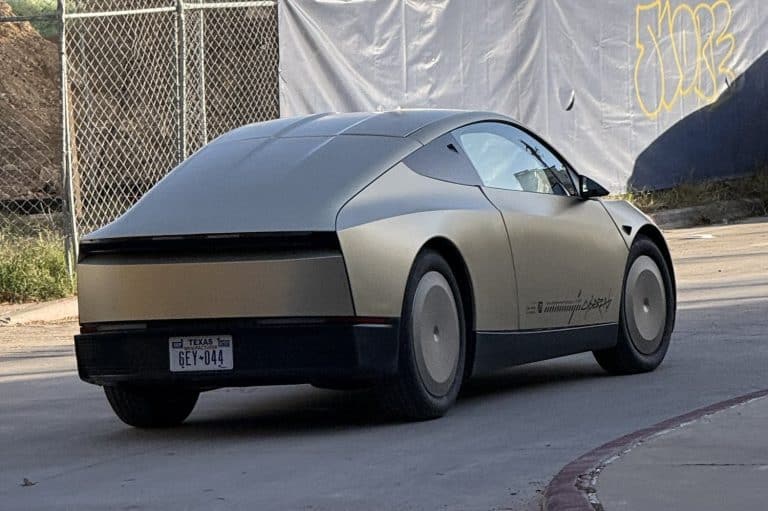
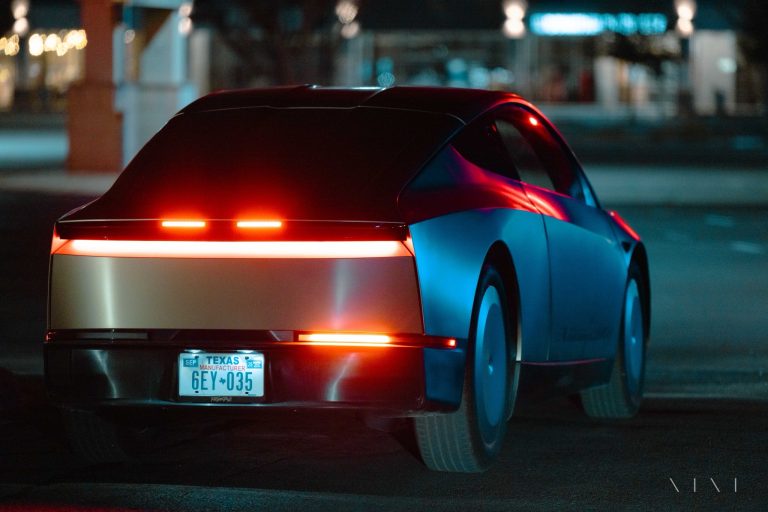
In a move that’s sending shockwaves through the EV and autonomous vehicle worlds, Tesla has just rolled out its first production Cybercab from the assembly line at Gigafactory Texas. This sleek, steering-wheel-free, pedal-less two-seater robotaxi isn’t just a prototype anymore—it’s a tangible milestone toward Elon Musk’s vision of affordable, fully autonomous mobility. Announced on February 17, 2026, via Tesla’s official X post and Instagram, the image of the shiny Cybercab at the end of the line has ignited excitement, memes, and a revival of one of the most memorable tech bets in recent history.

Davis, California: The Small City Taking on Elon Musk’s Tech Empire with a Bold Divestment Resolution

In the heart of California’s Yolo County, the progressive college town of Davis is making headlines for a audacious proposal: severing all ties with companies controlled by Elon Musk. On February 17, 2026, the Davis City Council convened to debate a resolution that would ban new contracts, purchases, and even the use of Tesla Robotaxis by the city, while urging the massive California Public Employees’ Retirement System (CalPERS) to dump its Tesla stock. This isn’t just local politics—it’s a flashpoint in the growing divide between Musk’s libertarian-leaning empire and left-leaning institutions wary of his influence.

Elon Musk Triples Down on Cybercab: Production Starts April 2026 – Realistic Expectations or Ambitious Dream?

As a veteran EV analyst and Tesla enthusiast who’s been tracking Elon Musk’s bold predictions for over a decade, I’ve seen the highs of Model 3 ramps and the frustrating lows of perpetual Roadster delays. Today, on February 16, 2026, Musk has once again staked Tesla’s future on the Cybercab robotaxi, emphatically stating that production kicks off in April – no pedals, no steering wheel, pure autonomy. This marks the third time in six months he’s doubled down on this timeline, signaling uncharacteristic consistency amid Tesla’s history of slippage. But with Cybercab poised to anchor Tesla’s robotaxi empire, is this the breakthrough we’ve waited for, or just another chapter in the “Elon Time” saga? Let’s dive deep.

Tesla Unleashes xAI’s Grok AI Across Europe: A New Era of Hands-Free, Witty Driving Assistance

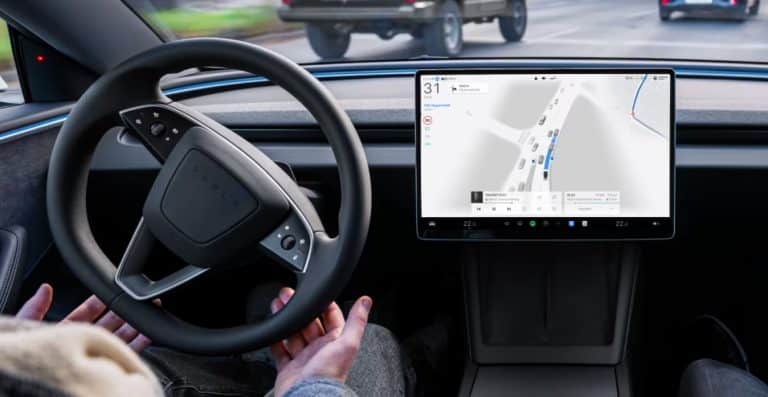
As a seasoned Tesla enthusiast and EV blogger who’s tracked Elon Musk’s ventures from the early Roadster days to the Cybertruck revolution, I’m thrilled to dive into the latest bombshell: Tesla is now rolling out xAI’s Grok AI assistant to vehicles across Europe. This isn’t just another software tweak—it’s a game-changer that infuses your Tesla with real-time intelligence, personality-packed conversations, and seamless navigation, all while keeping your hands firmly on the wheel (or not, if Full Self-Driving is engaged). With the rollout hitting nine key markets right now and more on the horizon, European Tesla owners are about to experience driving like never before.

Tesla’s FSD Revolution Heats Up in China: Lingang Hiring Signals Full Rollout on the Horizon

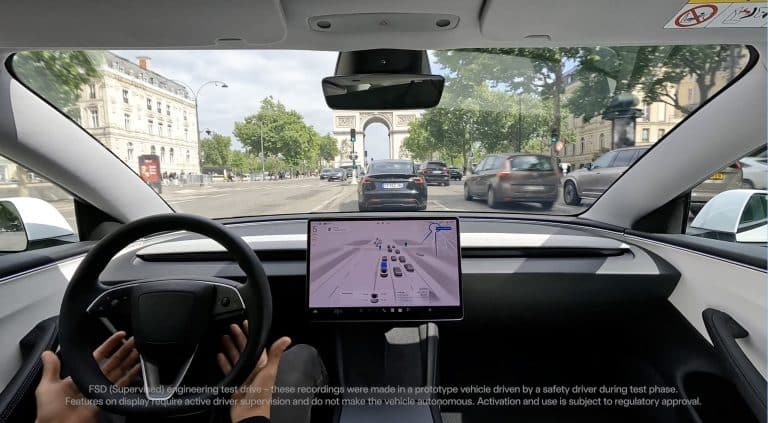
As a longtime Tesla watcher and autonomous driving enthusiast, I’ve been tracking the company’s global push for Full Self-Driving (FSD) with bated breath. China, the world’s largest EV market, has long been the holy grail for Tesla’s autonomy ambitions. Recent developments—a fresh job posting for an Autopilot Test Engineer in Shanghai’s Lingang district, combined with executive confirmations of local AI infrastructure—point to accelerating preparations. With today marking February 13, 2026, and Elon Musk’s predicted approval window now upon us, is Tesla finally poised to unleash FSD on China’s chaotic roads? In this deep dive, we’ll unpack the latest news, historical context, key player insights, and what it all means for the future of mobility.

Apple’s Project Titan Fiasco: When Unplugged Phones Killed the iCar Dream and Exposed Silicon Valley’s EV Delusions

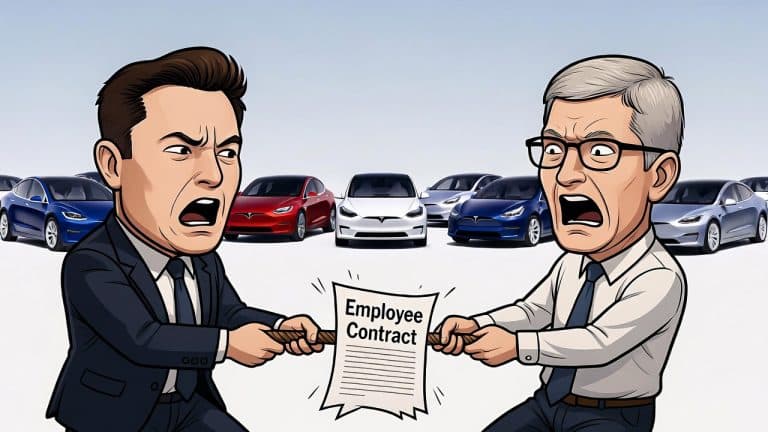
Imagine this: Tesla engineers, the wizards behind the world’s most advanced EVs, facing a barrage of daily calls from Apple recruiters. Their response? Simply unplug the phones. This isn’t some urban legend—it’s straight from Elon Musk’s mouth in a recent podcast, revealing the desperate lengths Apple went to poach talent for its doomed “Project Titan.”

Tesla’s FSD Licensing Drought: Why Legacy Automakers Are Repeating Their EV Mistakes

As a veteran automotive analyst and blogger specializing in electric vehicles and autonomous driving tech, I’ve followed Tesla’s journey from a scrappy EV startup to the undisputed leader in self-driving software. Recently, Tesla VP of Finance Sendil Palani dropped a bombshell on X (formerly Twitter): despite Tesla’s “best efforts to share the technology,” licensing Full Self-Driving (FSD) “has not proven to be easy.” This candid admission, made in response to a fan questioning whether Tesla would continue manufacturing vehicles, underscores a persistent roadblock in the industry. Competitors—lagging far behind in autonomy—are turning down what could be a golden ticket to catch up. Is this hubris, fear, or something else? In this deep dive, we’ll unpack the history, the hurdles, and what it means for Tesla’s future dominance.

Tesla VP Lars Moravy’s Bold Senate Testimony: Why America Needs a Federal AV Framework Now

In a pivotal moment for the autonomous vehicle (AV) industry, Tesla’s Vice President of Vehicle Engineering, Lars Moravy, took the stage before the U.S. Senate Commerce Committee on February 4, 2026. During the hearing titled “Hit the Road, Mac: The Future of Self-Driving Cars,” chaired by Senator Ted Cruz, Moravy made a compelling case for a unified federal framework to govern AV development and deployment. Joined by witnesses from Waymo and the Autonomous Vehicle Industry Association, his testimony wasn’t just a plea—it was a wake-up call. With China racing ahead in AV tech, outdated state-by-state regulations are stifling U.S. innovation, safety advancements, and economic leadership. As a blogger who’s followed Tesla’s AV journey since the early Autopilot days, I see this as a defining crossroads. Let’s dive deep into the key points, backed by data, and explore what it means for the future of mobility.

Tesla Model S Conquers First Zero-Intervention FSD Cannonball Run from LA to NYC in Brutal Winter Conditions

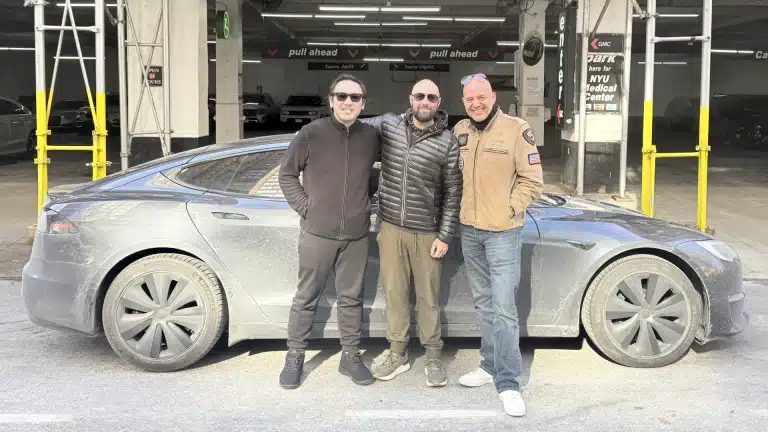
As a seasoned Tesla enthusiast and autonomy analyst who’s tracked Full Self-Driving (FSD) evolution since its beta days, I’ve witnessed bold promises turn into incremental progress. But this? A 2024 Tesla Model S completing the iconic 3,081-mile Cannonball Run from Redondo Beach, Los Angeles, to midtown Manhattan, New York City—entirely on FSD v14.2.2.3 with zero interventions—is nothing short of revolutionary. Led by automotive legend Alex Roy and a crack team of experts, this mid-winter feat through snow, ice, and storms validates Elon Musk’s long-standing vision of coast-to-coast autonomy. Let’s dive deep into the details, context, and what it means for the future of self-driving cars.

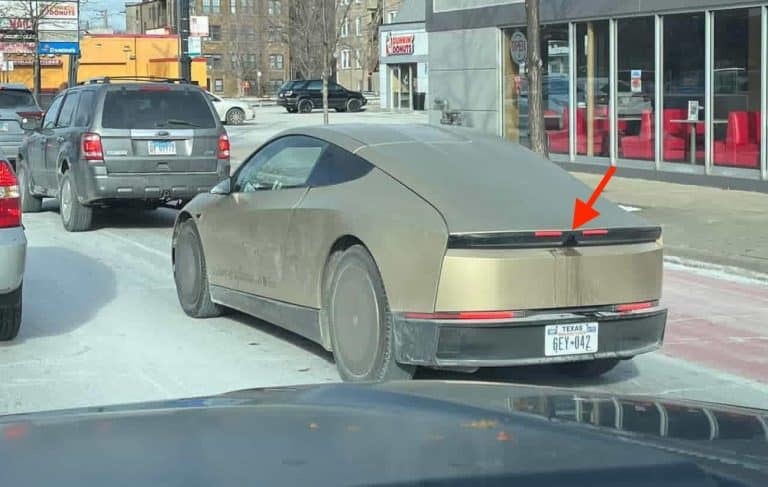
Tesla Cybercab’s Chicago Sighting: Rear Camera Washer Confirmed – The Unsung Hero of Robotaxi Reliability

In the freezing streets of Chicago, a gritty Tesla Cybercab prototype has turned heads – not just for its futuristic design, but for a subtle detail that could revolutionize autonomous driving in harsh weather. Spotted on January 18, 2026, and quickly amplified by Tesla insider Sawyer Merritt, the vehicle’s rear camera stood out pristine amid the road salt and grime, with visible water traces hinting at an onboard cleaning system. As a Tesla enthusiast and EV analyst who’s tracked the company’s autonomy journey for years, I see this as more than a prototype perk – it’s a critical step toward making Full Self-Driving (FSD) viable year-round, especially in regions where snow and mud have long plagued camera-dependent systems.

Load more