Category: News

Tesla’s Robotaxi Revolution Accelerates: 7 New Cities Set for 1H 2026 Launch – Game Over for Traditional Ride-Hailing?

As a long-time Tesla watcher and autonomous driving enthusiast, I’ve been tracking the evolution of Tesla’s Full Self-Driving (FSD) tech since its early days. Yesterday’s Q4 2025 Earnings Call and Shareholder Deck dropped a bombshell that’s set to redefine urban mobility in the US. Tesla isn’t just talking about Robotaxi anymore—they’re executing with an aggressive timeline, confirming launches in seven major new cities by the first half of 2026. This isn’t hype; it’s backed by real operational data, including nearly 700,000 paid Robotaxi miles since the June 2025 launch. Buckle up, because this post dives deep into the details, implications, and my expert analysis on why Tesla is poised to disrupt Uber and Lyft like never before.

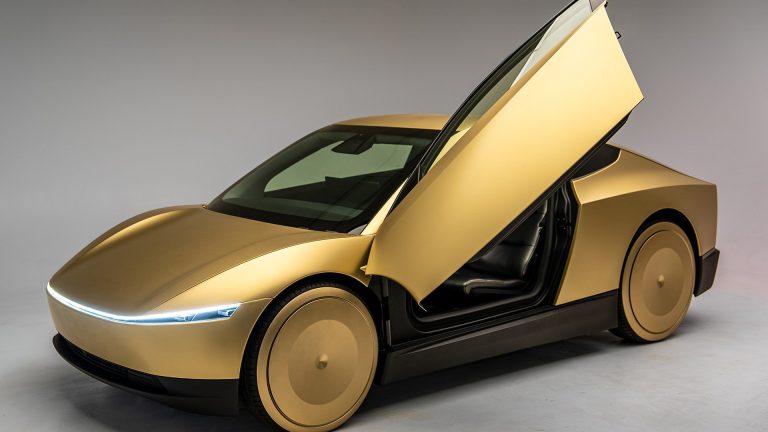
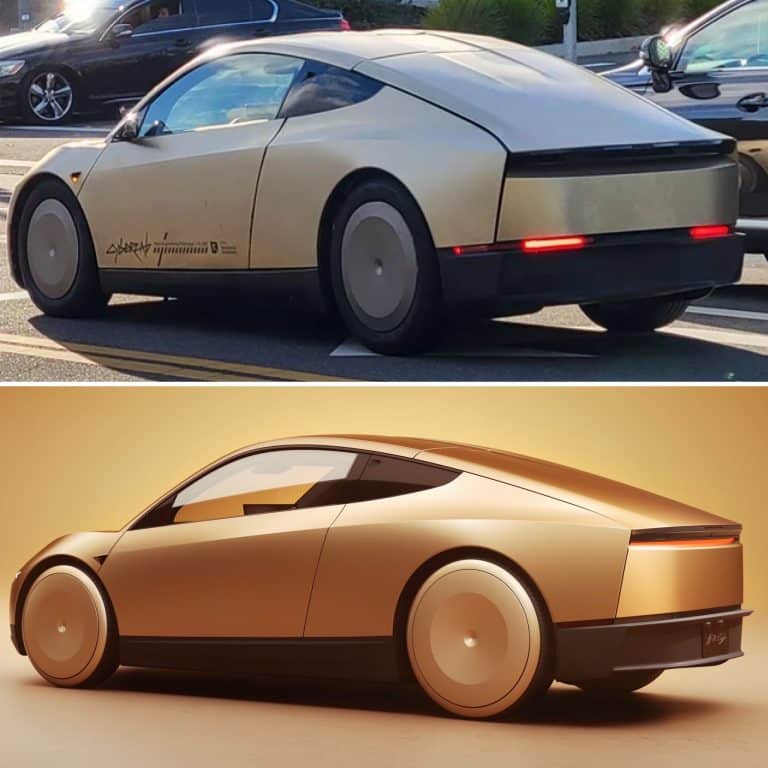
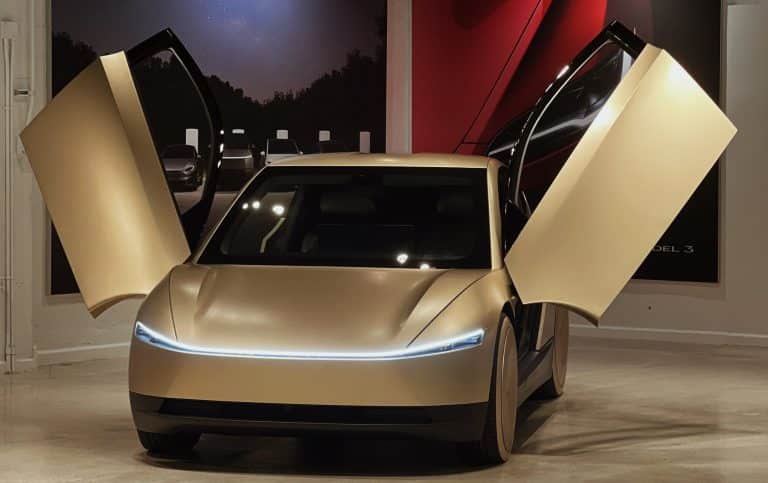
Tesla’s 37-Second Trademark Dash: Cybercar and Cybervehicle Emerge from Earnings Call Chaos

As a seasoned EV industry analyst and blogger who’s followed Tesla’s wild ride since the Roadster days, I’ve seen my share of bold moves, hype cycles, and outright blunders. But nothing quite captures the frenetic energy of Elon Musk’s Tesla like their latest trademark saga. On January 28, 2026, during the Q4 2025 earnings call, Musk casually floated “Cybervehicle” and “Cybercar” as alternatives to the beleaguered “Cybercab.” Within minutes—37 seconds apart, to be exact—Tesla’s legal team panic-filed trademarks for both names with the USPTO. This isn’t strategy; it’s survival mode, a direct response to past humiliations like losing “Cybercab” to a French seltzer maker.

Tesla’s Q4 2025 Earnings Call: Margins Rebound, Energy Soars, and the Great Pivot to Robots and AI

Tesla’s Q4 and full-year 2025 earnings call, held on January 28, 2026, painted a picture of a company in transition. Despite a 16% quarter-over-quarter drop in vehicle deliveries and the first-ever annual revenue decline, Tesla showcased resilient gross margins, record energy storage deployments, and audacious bets on autonomy, robotics, and AI. CEO Elon Musk didn’t mince words: the company is evolving from a “hardware-centric business to a physical AI company,” with a new mission centered on “amazing abundance” and “universal high income” through AI and robotics. As a long-time Tesla watcher and EV/AI enthusiast, I see this as a pivotal moment—Tesla is doubling down on high-margin software and robotics to offset maturing auto sales. Let’s break it down.

Tesla Waves Goodbye to Model S and X: Ushering in the Optimus Robot Revolution

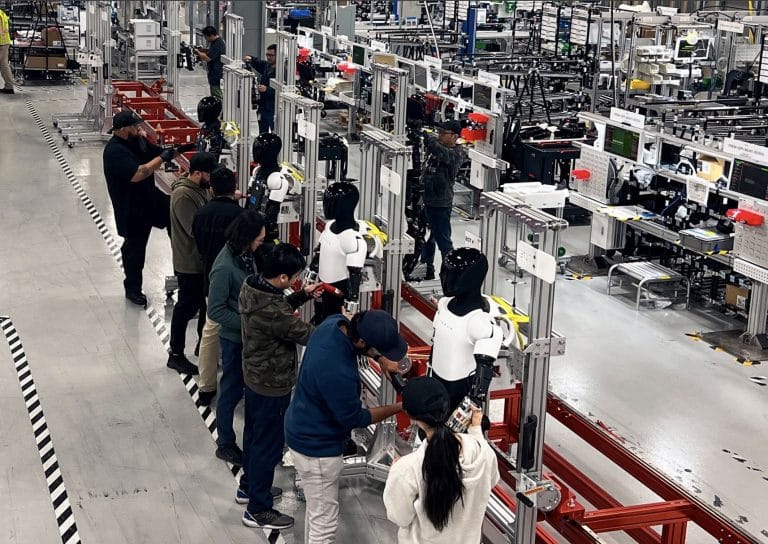
As a longtime Tesla enthusiast and EV industry analyst who’s been tracking Elon Musk’s bold visions since the early days of the Roadster, today’s news hits like a bittersweet milestone. During Tesla’s Q4 2025 earnings call on January 28, 2026, CEO Elon Musk dropped a bombshell: the iconic Model S sedan and Model X SUV—flagship vehicles that put Tesla on the map—are being retired. Production will cease by the end of Q2 2026, with factory lines repurposed for the company’s humanoid robot, Optimus. No successors announced, no fanfare refresh—just an “honorable discharge” to make way for autonomy and robotics. This isn’t just the end of two cars; it’s a seismic pivot signaling Tesla’s transformation from carmaker to AI/robotics powerhouse.

Tesla’s Epic Partnership with Pilot Travel Centers: Supercharging the Future of Heavy-Duty Electric Trucking

As a veteran EV enthusiast and trucking industry analyst with over a decade tracking the intersection of electric vehicles and commercial logistics, I’ve seen plenty of bold announcements. But today’s bombshell from Tesla and Pilot Travel Centers? This is the kind of seismic shift that could finally crack open the door to widespread adoption of battery-electric Class 8 trucks. Announced on January 27, 2026, this deal isn’t just about plugging in Tesla Semis—it’s an open invitation for all heavy-duty electric trucks to juice up at America’s largest network of travel centers. Imagine I-5 and I-10 transformed into electric superhighways, where fleets from every manufacturer can recharge without the diesel dread.

Fontainebleau Las Vegas Welcomes Vegas Loop: Elon Musk’s Underground Network Hits a New Milestone in 2026

Imagine arriving in Las Vegas, dodging the infamous Strip gridlock, and zipping underground in a Tesla to your hotel or the Convention Center—all for free or a fraction of Uber costs. That’s the promise of The Boring Company’s Vegas Loop, and it’s no longer sci-fi. On the heels of its latest expansion, the ultra-luxurious Fontainebleau Las Vegas has just opened a dedicated station, seamlessly connecting thrill-seekers and business travelers to the heart of Sin City’s action. As a transportation futurist who’s tracked Elon Musk’s tunneling ventures from the Hyperloop dreams to real-world deployments, I see the Vegas Loop as a game-changer. It’s not just alleviating congestion; it’s redefining urban mobility in one of America’s busiest tourist hubs. With over 10 miles of tunnels already dug and airport rides now live, 2026 is shaping up to be the year the Loop truly loops Vegas together.

Tesla Model Y Takes on 8 Inches of Snow: Defrost Test Reveals Winter Warrior Secrets

As a lifelong Tesla enthusiast and electric vehicle blogger who’s logged thousands of miles in sub-zero conditions across the Midwest and Northeast, I’ve seen my share of winter white-knuckle drives. But nothing quite captures the magic (and occasional frustration) of EV ownership like a massive snowstorm dumping 10-12 inches on Pennsylvania, as happened recently during a brutal winter blast. ❶ ❷ One intrepid tester, armed with a loaner Tesla Model Y Performance, turned the chaos into a fascinating experiment: How long does Tesla’s vaunted Defrost feature take to melt 8 inches of snow without a single scrape? Spoiler: It worked, but not without patience. In this deep dive, I’ll break down the test results, explain how Tesla’s system stacks up against traditional cars, share pro tips for winter EV mastery, and offer insights from real-world data and my own experiences.

Tesla’s Cybercab Production Accelerates: Body Fit Technician Jobs Herald April 2026 Launch at Giga Texas

As a seasoned Tesla enthusiast and EV industry analyst with over a decade tracking Elon Musk’s audacious ventures, I’ve seen my share of production ramps—from the Model 3 “production hell” to Cybertruck’s triumphant scale-up. But the latest developments around the Cybercab robotaxi have me buzzing with anticipation. Tesla has quietly posted job openings for Body Fit Technicians dedicated to the Cybercab’s end-of-line assembly at Giga Texas, a clear signal that initial production is barreling toward its April 2026 target. This isn’t just hiring; it’s the prelude to Tesla’s robotaxi revolution, where autonomous two-seaters could redefine urban mobility and propel Tesla into a trillion-dollar valuation territory. Let’s dive deep into what this means, why it’s happening now, and how you can position yourself—whether as a job seeker, investor, or fan.

Tesla Robotaxi’s Secret Weapon: Camera Washers That Could Revolutionize Autonomous Driving – And Why Model Y Owners Are Jealous

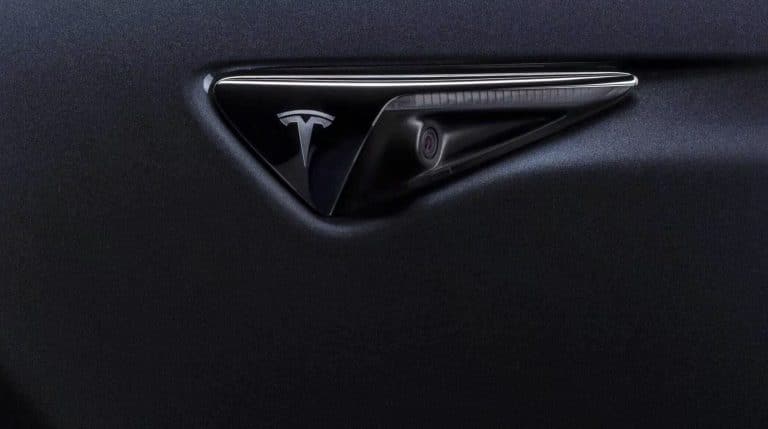
As Tesla’s ambitious Robotaxi fleet hits the streets of Austin with fully driverless rides, one understated yet game-changing hardware upgrade has stolen the spotlight: dedicated camera washers on side repeater and rear bumper cameras. This isn’t just a minor tweak—it’s a highly requested feature that’s been absent from consumer Model Ys for years, addressing a critical pain point in Tesla’s vision-only autonomous driving strategy. In this deep dive, we’ll explore what these washers mean for Robotaxi operations, how they stack up against standard vehicles, and what it spells for the future of Tesla ownership.

Tesla Model S Conquers First Zero-Intervention FSD Cannonball Run from LA to NYC in Brutal Winter Conditions

As a seasoned Tesla enthusiast and autonomy analyst who’s tracked Full Self-Driving (FSD) evolution since its beta days, I’ve witnessed bold promises turn into incremental progress. But this? A 2024 Tesla Model S completing the iconic 3,081-mile Cannonball Run from Redondo Beach, Los Angeles, to midtown Manhattan, New York City—entirely on FSD v14.2.2.3 with zero interventions—is nothing short of revolutionary. Led by automotive legend Alex Roy and a crack team of experts, this mid-winter feat through snow, ice, and storms validates Elon Musk’s long-standing vision of coast-to-coast autonomy. Let’s dive deep into the details, context, and what it means for the future of self-driving cars.

Load more