 Gary Zhou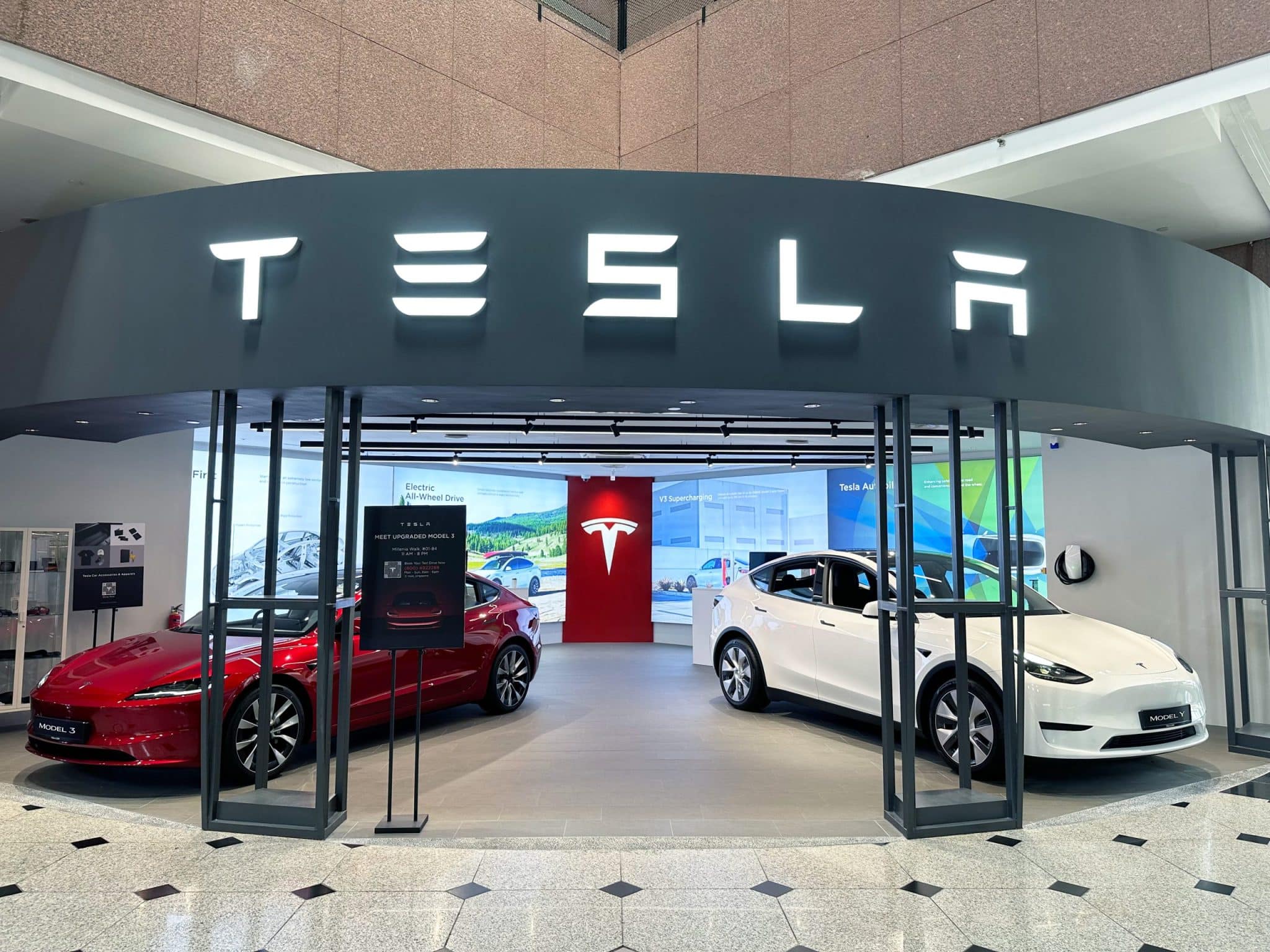
- 🚗 California Governor Gavin Newsom has proposed an EV rebate if the federal $7,500 tax credit is repealed.
- 🚫 The proposed rebate would exclude Tesla to boost competition among other automakers.
- 📈 The move aims to create competitive market conditions for less popular EV models.
- 🤝 Terms of the potential California EV rebate are still under negotiation and may change.
- 🌍 California continues to be a leader in U.S. EV adoption, with trends similar to European countries.
As the electric vehicle (EV) landscape continues to evolve with rapid technological advancements and shifting policies, California’s recent proposal for a state-driven EV rebate has caught the attention of many. What sets this proposal apart is its strategic exclusion of Tesla, which has sparked both intrigue and debate among industry experts and consumers alike.
Understanding California’s New EV Rebate Proposal
Governor Newsom’s Initiative
California Governor Gavin Newsom has put forth a bold plan to introduce a state-financed electric vehicle rebate in the event that the incoming administration repeals the federal $7,500 EV tax credit. This initiative aims to offset potential losses that could arise from the removal of federal incentives and maintain California’s leadership in EV adoption.
Exclusion of Tesla: A Controversial Move
The decision to exclude Tesla, America’s largest EV manufacturer, from qualifying for this rebate has generated considerable buzz. Newsom’s office justifies this exclusion as a move to stimulate competition and ensure that lesser-known brands have a fair chance to capture market share. By creating an even playing field, the state government hopes to foster innovation and variety within the electric vehicle industry.
Analyzing the Impact
Effects on Tesla
- Market Dynamics: Tesla, already a dominant player in the EV market, might face challenges due to this exclusion. While Tesla’s vehicles currently qualify for the federal tax credit, being left out of state rebates could shift consumer interest toward brands that do benefit from state incentives.
- Strategic Adjustments: Tesla might need to explore alternative strategies, such as price adjustments or enhanced features, to remain competitive in California’s burgeoning EV market.
- Residence Impact: With Tesla’s engineering headquarters still based in California despite its official move to Austin, Texas, this exclusion could impact local employment and economic contributions.
Opportunities for Other Automakers
- Increased Visibility: Brands with less market presence now have a unique opportunity to enhance their visibility and grow their customer base, thanks to increased state rebates.
- Innovation Incentives: These incentives might drive other automakers to innovate and expand their EV offerings to capitalize on the rebate’s potential benefits.
Speculating on Potential Changes
As discussions continue, the terms of the proposed California EV rebate are not set in stone. The negotiation process will offer insights into how flexible the policy might be in the face of industry feedback and consumer preferences. Policymakers might refine the proposal to balance competitive intentions with practical market realities.
California’s Role in EV Adoption
California has long been at the forefront of driving EV adoption in the United States, consistently aligning with global trends seen in countries with high EV penetration rates. As the state considers its own rebate while federal policies remain uncertain, its actions might influence national approaches to EV incentives.
Conclusion: A Forward-Thinking Approach
Governor Newsom’s proposal reflects a larger vision to build a competitive, diverse, and dynamic EV market in California. By emphasizing competition, the state hopes to inspire a new wave of innovation and consumer choice. While challenges exist, particularly for leading manufacturers like Tesla, this move could ultimately benefit the broader EV landscape by encouraging a richer, more varied market offering.