Author: Gary Zhou

Tesla Cybercab: Elon Musk Confirms $0.20 Per Mile Operating Cost – The Future of Affordable Robotaxis is Here

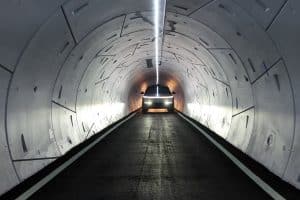
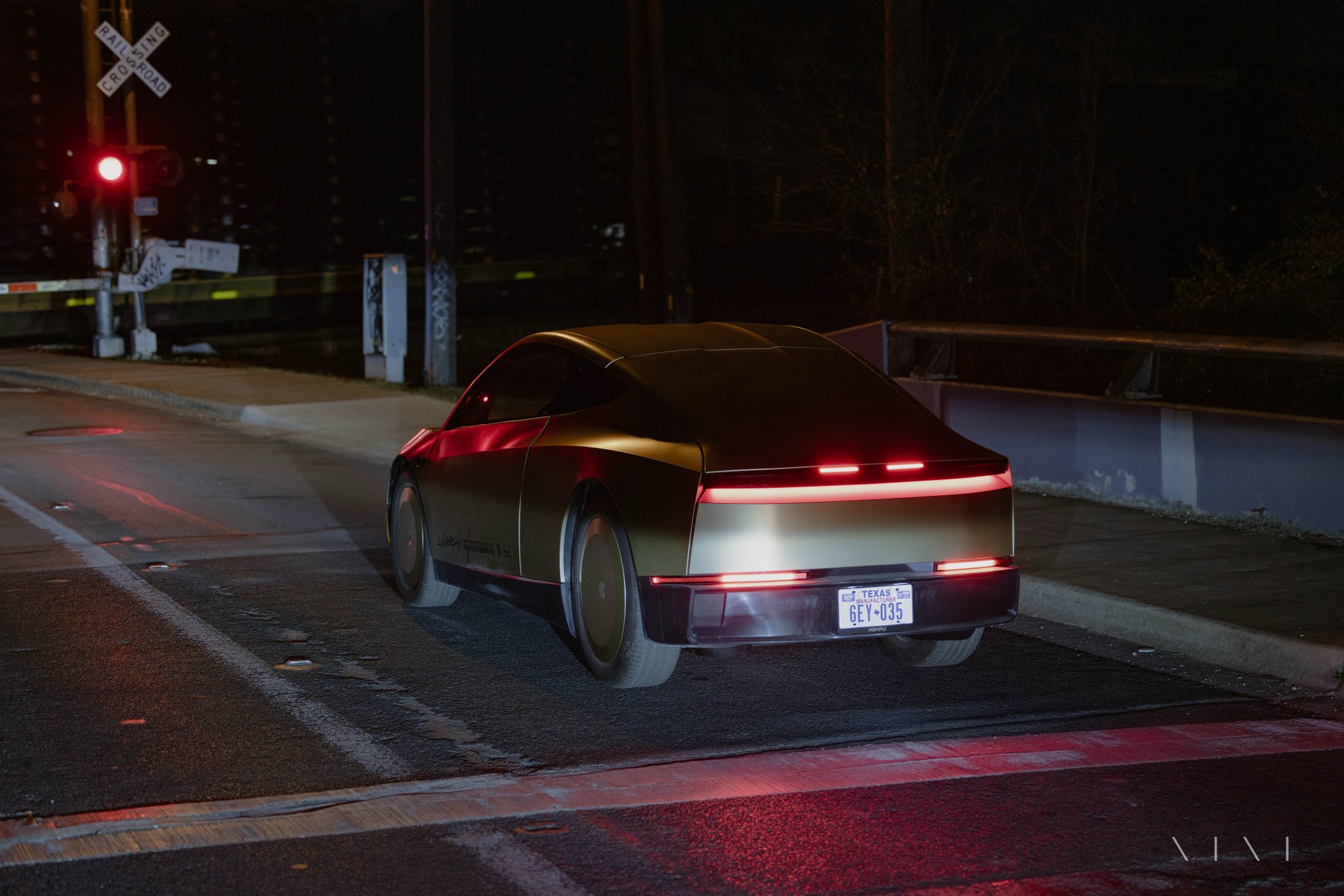
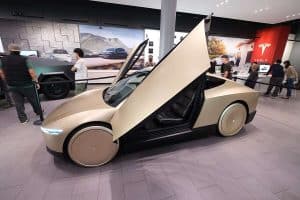
As a seasoned Tesla enthusiast and EV industry analyst with over a decade tracking autonomous driving tech, I’ve seen bold promises come and go. But Elon Musk’s recent endorsement of ARK Invest’s projections for the Tesla Cybercab has me genuinely excited. On January 22, 2026, Musk tweeted “Probably true” in response to ARK’s report claiming the Cybercab could operate at a jaw-dropping $0.20 per mile by 2030 – fully loaded with energy, maintenance, cleaning, depreciation, and insurance. This isn’t hype; it’s a validated path to making robotaxis cheaper than owning a car, potentially disrupting Uber, Lyft, and even public transit. In this deep dive, we’ll unpack the numbers, engineering feats, production hurdles, and what it means for your wallet and the mobility landscape.
Elon Musk’s Historic Davos Debut: From WEF Hater to Visionary Prophet – Robots, AI, and a Surprising Thaw

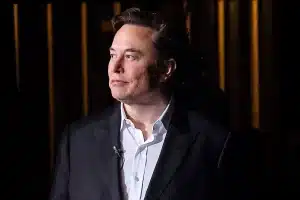
In a plot twist worthy of one of his sci-fi inspirations, Elon Musk – the billionaire provocateur who’s long roasted the World Economic Forum (WEF) as an “unelected world government” – made his first-ever appearance at Davos on January 22, 2026. Added last-minute to the schedule, Musk joined BlackRock CEO Larry Fink for a one-on-one conversation that electrified the alpine gathering of global elites. This wasn’t just a speech; it was a seismic shift, coming hot on the heels of Donald Trump’s wide-ranging address earlier in the week.

Elon Musk vs. Ryanair CEO: The Starlink WiFi Feud That’s Fueling Bookings and Billionaire Banter

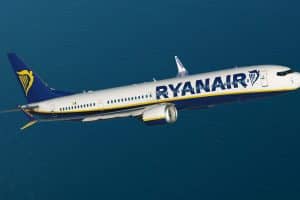
Imagine two of the most outspoken tycoons in business—Elon Musk, the Tesla and SpaceX visionary, and Michael O’Leary, the brash king of Europe’s budget airline scene—trading insults like schoolyard rivals. What started as a disagreement over satellite WiFi has escalated into a public spectacle, complete with jabs about idiocy, takeover threats, and even a cheeky “Big Idiots” seat sale. As a seasoned aviation and tech blogger with over a decade covering low-cost carriers and disruptive innovations like Starlink, I’ll break down this feud, analyze the real issues at play, and share insights on what it means for airlines, passengers, and investors.

Elon Musk’s Boring Company Targets I-80 Gridlock: A Game-Changing Tunnel to Tesla’s Gigafactory Nevada?

In the shadow of Nevada’s booming Tahoe-Reno Industrial Center (TRIC), a transportation revolution might be burrowing underground. Elon Musk’s The Boring Company has been tapped to explore a 9-mile tunnel project connecting Reno to Tesla’s Gigafactory Nevada, aiming to slash crippling congestion on Interstate 80 (I-80). Funded by a modest $50,000 from the Economic Development Authority of Western Nevada (EDAWN), this early-stage feasibility study signals a bold push for innovative infrastructure amid skyrocketing traffic and safety woes. As a blogger who’s tracked Musk’s ventures from SpaceX rockets to Cybertrucks, I see this as a prime example of private ingenuity tackling public pain points. But will it drill through regulatory hurdles? Let’s dive deep.

Tesla Cybercab Prototypes Spill the Beans: NACS Charging Backup and Rear Camera Washers Herald Practical Autonomy in 2026

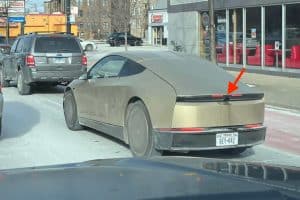
As Tesla inches closer to revolutionizing urban mobility with its Cybercab robotaxi, recent prototype sightings are dropping major hints about the vehicle’s real-world readiness. Spotted across the U.S., including gritty Chicago streets, these autonomous two-seaters are showcasing thoughtful engineering tweaks that address key pain points for fully driverless operation. From a mysterious rear panel that could hide a NACS charging port to a long-awaited rear camera washer, Tesla appears to be prioritizing redundancy and reliability. In this deep dive, we’ll unpack these discoveries, analyze their implications, and explore how they fit into Cybercab’s aggressive 2026 production ramp-up.

Tesla Cybercab’s Chicago Sighting: Rear Camera Washer Confirmed – The Unsung Hero of Robotaxi Reliability

In the freezing streets of Chicago, a gritty Tesla Cybercab prototype has turned heads – not just for its futuristic design, but for a subtle detail that could revolutionize autonomous driving in harsh weather. Spotted on January 18, 2026, and quickly amplified by Tesla insider Sawyer Merritt, the vehicle’s rear camera stood out pristine amid the road salt and grime, with visible water traces hinting at an onboard cleaning system. As a Tesla enthusiast and EV analyst who’s tracked the company’s autonomy journey for years, I see this as more than a prototype perk – it’s a critical step toward making Full Self-Driving (FSD) viable year-round, especially in regions where snow and mud have long plagued camera-dependent systems.

Tesla Revives Dojo 3: Elon Musk’s Ambitious Return to Custom AI Supercomputing and the Road to Space-Based Compute

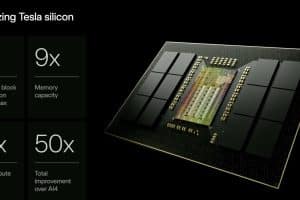
In a bombshell update that’s sending shockwaves through the AI and automotive worlds, Tesla CEO Elon Musk has confirmed the resurrection of the company’s long-dormant Dojo 3 project. Announced via a post on X just yesterday, this move comes hot on the heels of stabilizing the design for Tesla’s next-gen AI5 chip, signaling a strategic pivot back to in-house supercomputing prowess. As someone who’s followed Tesla’s AI journey since the first AI Day in 2021, this isn’t just a project reboot—it’s a declaration of independence from Nvidia dependency and a bold bet on vertically integrated AI hardware that could redefine autonomy, robotics, and even space tech.

Tesla’s AI5 Chip Blitz: Elon Musk Accelerates to 9-Month Cycles, Eyes World’s Top AI Silicon Empire

In a bombshell update straight from Elon Musk’s X feed, Tesla’s AI5 chip—the powerhouse set to supercharge Full Self-Driving (FSD) and Optimus robots—is “almost done” in design, with AI6 already kicking off early development. This isn’t just incremental progress; it’s a declaration of war on complacency in the AI hardware race. Musk is gunning for a relentless 9-month design cycle for AI7, AI8, AI9, and beyond, positioning Tesla’s in-house silicon as the highest-volume AI processors on the planet. As a blogger who’s tracked Tesla’s silicon journey from HW3 to AI4, this feels like the inflection point where Tesla doesn’t just catch up—it laps the field.

Hyundai Poaches Tesla’s Optimus Mastermind: Is Boston Dynamics Set to Dominate Humanoid Robots?

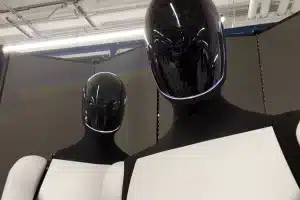
In a seismic shift for the humanoid robotics industry, Hyundai’s Boston Dynamics has recruited Milan Kovac, the former head of Tesla’s Optimus program and a senior vice president under Elon Musk. This high-profile hire isn’t just a talent grab—it’s a strategic masterstroke that exposes cracks in Tesla’s ambitious robot dreams while propelling Hyundai into the pole position. As a blogger who’s been tracking the intersection of EVs, AI, and robotics for years, this news has me rethinking the entire competitive landscape. Let’s dive deep into what happened, why it matters, and what it spells for the future of humanoid bots.

X’s Latest Meltdown: Over 100,000 Users Locked Out in Friday’s Massive Outage, Is Elon Musk’s Platform Crumbling?

On Friday morning, January 16, 2026, Elon Musk’s X (formerly Twitter) ground to a halt for hundreds of thousands of users worldwide, marking yet another high-profile failure for the social media giant. Error messages flooded screens, timelines stalled, and frustrated users flocked to alternative platforms – and outage trackers like Downdetector – to vent their rage. By 10:52 a.m. ET, reports had surged past 100,000, with the platform briefly flickering back to life before plunging into chaos again. As a tech blogger who’s tracked X’s rocky road since Musk’s $44 billion acquisition in 2022, this isn’t just a blip; it’s a symptom of deeper systemic issues. Let’s dive deep into what went wrong, why it keeps happening, and what you can do to stay connected when the bird falls from the sky.

Load more