 Gary Zhou
Key Takeaways
- Tesla’s Robotaxi service is proving to be a more affordable and smoother alternative to Uber, as noted by users in Austin and the Bay Area.
- Users are shocked by how expensive Uber has become compared to the cost of riding a Robotaxi, emphasizing value for money.
- FSD V14 has garnered positive feedback for its remarkable self-driving abilities, outperforming some human drivers.
- FSD enhances safety, as demonstrated when a safety monitor fell asleep, showcasing the technology’s ability to prevent accidents.
- Tesla’s autonomy focus aims to significantly reduce traffic accidents and fatalities caused by human error, contributing to safer roads.
In recent years, Tesla’s advancements in autonomous driving technology have made waves in the automotive sector. With developments like their Full Self-Driving (FSD) software and the introduction of Robotaxi services, Tesla is setting new benchmarks, particularly in areas traditionally dominated by human-operated ride-sharing platforms like Uber. This post delves into the intricacies of Tesla’s innovations, comparing their offerings, and exploring the broader implications for the future of transportation.
The Emergence of Tesla’s Robotaxi Service
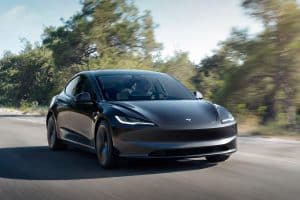
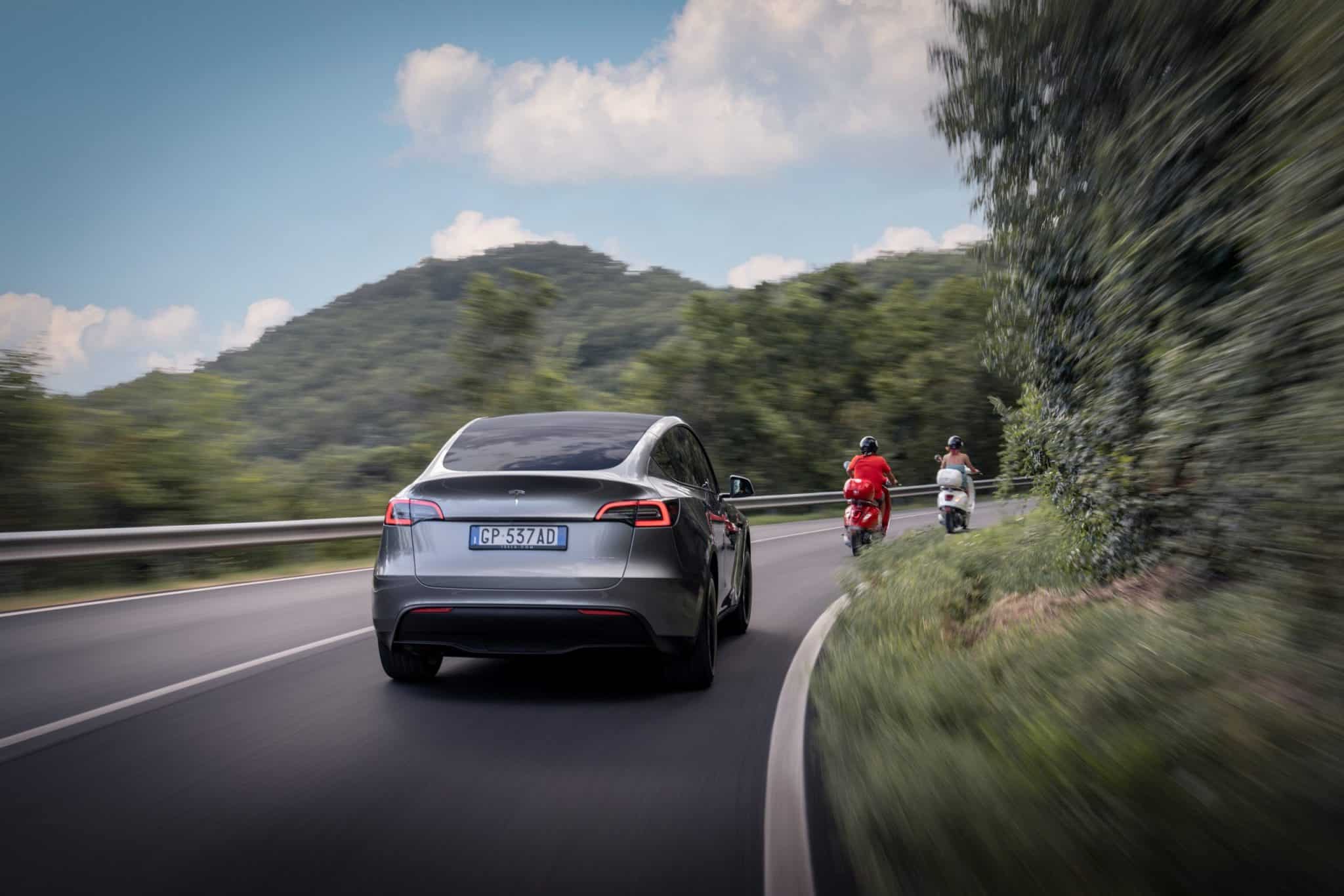
Tesla’s Robotaxi service, currently limited to Austin and the Bay Area, has already made significant impacts on users and industry analysts alike. This autonomous ride-sharing service leverages Tesla’s cutting-edge technology, notably the Full Self-Driving (FSD) V14 software.
Cost-Effectiveness and User Experience
- Affordability Over Uber Contributions: Users report that rides with Tesla’s Robotaxi are significantly more affordable than those with traditional ride-sharing services such as Uber. This cost-effectiveness is crucial as affordability becomes a key determinant for users opting for transportation methods. The ease of aligning economic value with advanced technology is a contributing factor to this user preference.
- Comparative Smoothness: Beyond affordability, users have noted a smoother, more enjoyable ride when using the Robotaxi service. Unlike the often jerky and inconsistent driving patterns experienced with human drivers, Tesla’s autonomous vehicles offer a seamless experience that enhances passenger comfort.
Full Self-Driving V14: A Technological Marvel
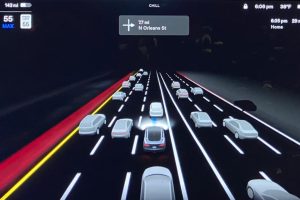
Tesla’s FSD V14 isn’t just an incremental update; it’s achieving feats that were previously unimaginable for an autonomous vehicle.
Noteworthy Improvements
- Driving Precision: FSD V14’s performance is often described as better than many human drivers, capable of executing complex maneuvers such as U-turns with precision.
- Enhanced Safety Characteristics: The FSD system includes sensors and algorithms that far outstrip human senses, reducing the likelihood of accidents.
Safety: The Forefront of Tesla’s Mission
Safety is a cornerstone of Tesla’s mission and is arguably where its autonomous technology shines the most.
Illustrating Superior Safety Measures
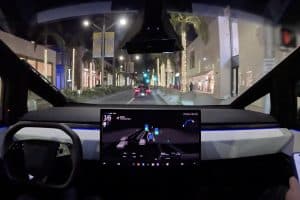
- Autonomous Monitoring: In one illustrative instance, an FSD system continued to operate safely even as a safety monitor in the driver’s seat fell asleep. This highlights FSD’s potential in mitigating human error-related accidents, a major cause of road mishaps.
- Impact on Traffic Accidents Statistics: Given that human error accounts for a significant portion of annual road incidents, autonomous technologies like Tesla’s are poised to drastically decrease the number of such occurrences, potentially saving thousands of lives each year.
Looking Forward: The Implications for the Future
Tesla’s blend of autonomy and innovative technology has set the stage for a radical transformation in the way people view transportation. As Tesla continues to push boundaries, the conversation surrounding the future of ride-sharing and personal transport becomes ever more pertinent.
Broader Industry Impact
- Sustainability and Efficiency: The broader adoption of autonomous vehicles is expected to reduce energy consumption and emissions, aligning with global sustainability goals.
- Consumer-Driven Innovation: As consumer demand pivots towards safer and more cost-effective transportation solutions, the industry will likely witness increased investment in autonomous technologies from other automotive giants.
Tesla’s foray into autonomous ride-sharing through its Robotaxi service and FSD V14 marks the onset of a new chapter in modern transport. By marrying cutting-edge technology with user-centric design, Tesla is not only redefining the future of transportation but also paving the way towards smarter, safer roads.