Tesla’s Robotaxi Takes Texas by Storm: Unsupervised Rides Now Live in Dallas and Houston – A Game-Changer for Autonomous Mobility
Key Takeaways
- Tesla’s Robotaxi service is now rolling out unsupervised in Dallas and Houston, Texas, announced by @robotaxi on April 18, 2026.
- Announcement includes a 14-second video from a Model Y showing driverless navigation in suburban areas with no safety monitor.
- Initial geofences cover compact zones: Willowbrook/Jersey Village in Houston and Highland Park/central areas in Dallas.
- @Teslarati highlighted the expansion, noting Texas now has three active hubs (Austin, Dallas, Houston), tripling Tesla’s footprint.
- Builds on existing operations in Austin and SF Bay Area, aligning with Q4 2025 plans for H1 2026 rollout to Phoenix, Miami, Orlando, Tampa, and Las Vegas.
- Texas chosen for favorable regulations, high ride-share demand, and suitable driving patterns; geofences start small (~25 sq mi) but expand quickly.
- Unsupervised rides mark a milestone—no human oversight—enabling revenue from driverless fleet and validating Full Self-Driving tech.
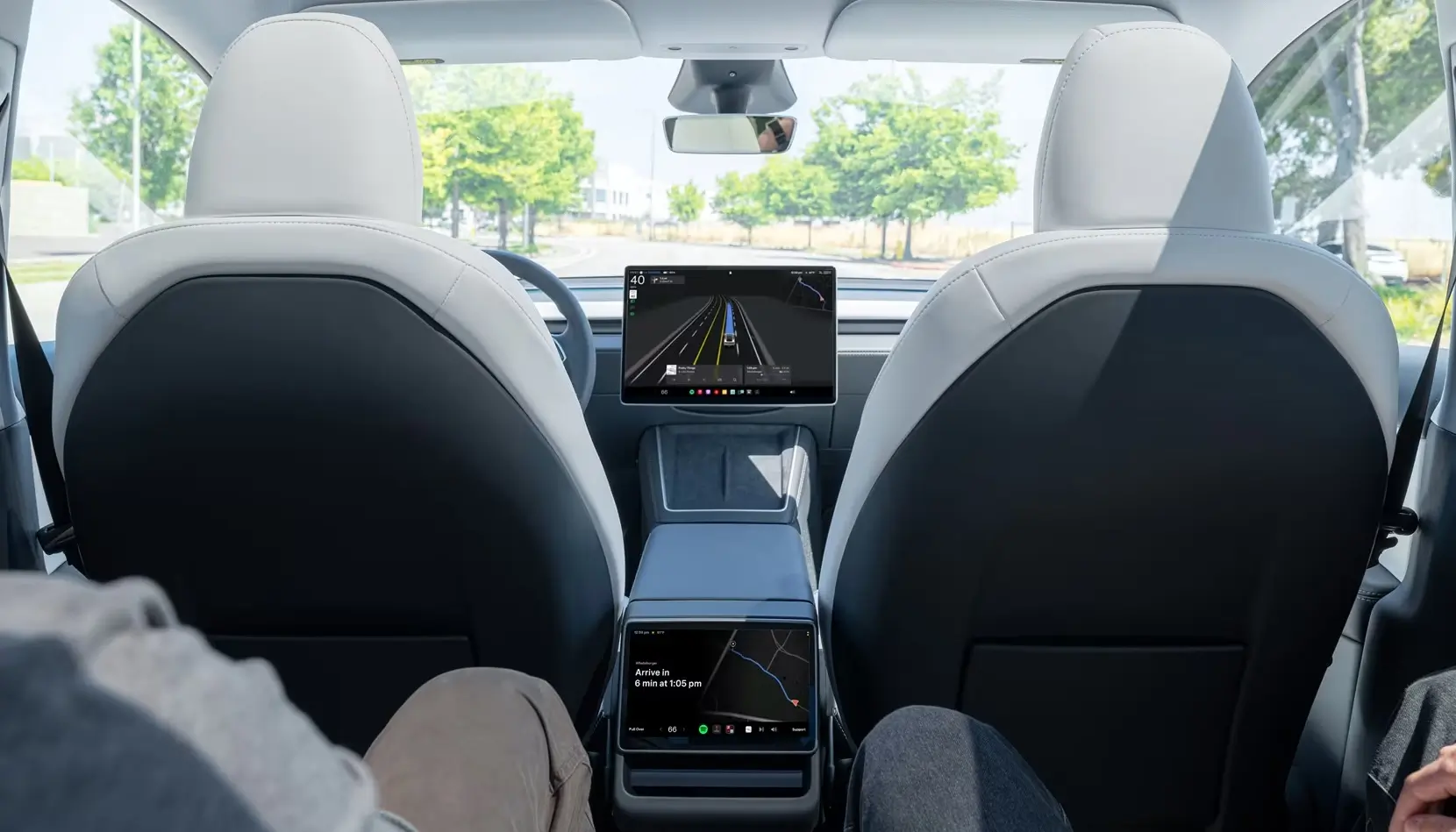
Tesla has just dropped a bombshell in the world of autonomous vehicles. On April 18, 2026, the official @robotaxi X account announced the rollout of unsupervised Robotaxi service in Dallas and Houston, Texas – marking the first major expansion beyond Austin and the San Francisco Bay Area.❶ ❷This isn’t just another software update; it’s a historic milestone where Tesla’s Full Self-Driving (FSD) technology operates without any human safety monitor onboard, paving the way for scalable, revenue-generating robotaxi fleets.❸
Accompanying the announcement was a compelling 14-second video from a Model Y, showcasing seamless driverless navigation through suburban streets – no steering wheel interventions, no anxious passengers glancing at a safety driver. This visual proof underscores Tesla’s confidence in its end-to-end neural network AI, trained on billions of real-world miles.❷As a blogger who’s followed Tesla’s autonomy journey since the early Autopilot days, This reads as validation of Elon Musk’s long-held vision: a future where personal car ownership gives way to affordable on-demand robotaxis.
The Announcement Breakdown: What We Know So Far
Let’s dissect the key details straight from the source:
- Official Rollout Confirmation: “@robotaxi now rolling out in Dallas & Houston ????” – that’s the tweet that lit up timelines worldwide. Reuters quickly picked it up, confirming Tesla is “rolling out self-driving taxis” in these Texas hubs. ❹
- Vehicle in Action: The demo video features a Model Y – Tesla’s workhorse for Robotaxi duties – gliding through residential areas, handling turns, stops, and merges autonomously.
- Current Footprint Tripled in Texas: With Austin already operational (geofence now ~245 sq mi after expansions), Dallas and Houston make Texas Tesla’s stronghold. Teslarati notes this triples the state’s active hubs. ❺
Users in these cities can now hail rides via the Tesla app, starting with invite-only access but expected to open wider soon. Early reports confirm rides are fully unsupervised – a huge step from supervised pilots.❸
Initial Geofences: Small Starts, Rapid Growth
Tesla’s strategy is deliberate: begin with compact, low-risk zones and iterate.
| City | Geofence Areas | Approximate Size | Key Characteristics |
|---|---|---|---|
| Houston | Willowbrook / Jersey Village | ~25 sq mi | Suburban NW Houston, outside Waymo’s downtown focus; predictable traffic. ❻ |
| Dallas | Highland Park / Central areas | ~25-40 sq mi | Urban mix with upscale neighborhoods; good for testing varied scenarios. ❼ |
These ~25 sq mi zones mirror Austin’s initial launch (20 sq mi in June 2025), which has since ballooned fourfold. Expect similar “Plaid Mode” expansions here – Tesla’s geofences have grown aggressively, outpacing competitors like Waymo.❽
Why Texas? Regulatory Green Lights and Market Fit
Texas isn’t random – it’s a autonomy haven:
- Favorable Regulations: No state-level permits required for unsupervised ops in geofenced areas; Tesla leverages this post-Austin success. ❾
- High Ride-Share Demand: Dallas and Houston rank high in Uber/Lyft usage, with sprawling suburbs ideal for robotaxi economics.
- Driving Patterns: Predictable highways, lower density than NYC/SF, perfect for FSD v14+ scaling.
- Tesla Ecosystem: Giga Texas proximity aids fleet deployment; Model Y production ramps seamlessly.
In my opinion, this Texas trifecta positions Tesla to dominate the $1T+ ride-hail market before national expansion.
Unsupervised FSD: The Tech That Makes It Possible
“Unsupervised” means zero human intervention – no safety driver, no remote oversight for passenger rides. Powered by FSD v14 (or later), trained on 10B+ miles:
- Safety Milestone: Austin data shows interventions near zero; early Robotaxi rides report “flawless” performance. ❿
- Revenue Engine: Owners can add cars to the fleet, earning passive income (est. $30k/year per vehicle).
- Validation for Cybercab: Proves current hardware scales; dedicated Cybercab production starts April 2026 at Giga Texas. ⓫
Critics point to small fleets (no size disclosed), but Tesla’s data advantage (11M FSD users) crushes lidar-reliant rivals.⓬
Broader 2026 Rollout: From Texas to Nationwide Domination
This is just phase one. Q4 2025 plans outlined H1 2026 expansions:
- Next Wave: Phoenix, Miami, Orlando, Tampa, Las Vegas – hitting sunbelt hotspots with lax regs. ⓭
- End-2026 Goal: 8-10 metro areas, 1,000+ vehicles (Morgan Stanley est.). Musk eyes “widespread” U.S. coverage. ⓮ ⓯
- Global Ambitions: Europe/China pilots post-U.S. proof.
Competitor Comparison:
| Provider | Cities (2026) | Supervision | Fleet Size Est. |
|---|---|---|---|
| Tesla | 5+ (TX heavy) | Unsupervised | Scaling to 1k+ |
| Waymo | 5 (SF, PHX, etc.) | Unsupervised | ~700 |
| Zoox | Austin (new) | Bidirectional | Small |
Tesla’s vision-only, fleet-from-owners model wins on cost/scalability.
Insights and Opinions: What This Means for You
For Riders:
- How to Try It: Update Tesla app, request in geofence. Expect $0.20-0.40/mile – 5x cheaper than Uber.
- Safety Tips: Trust but verify; report anomalies via app.
For Investors:
- Robotaxi could add $1T to TSLA valuation by 2030. Q1 2026 earnings (April 22) will spill metrics – watch utilization rates. ⓰
- Risk: Reg hurdles in CA/NY; my take – Texas momentum snowballs approvals.
Societal Impact:
- Disrupts 5M U.S. drivers’ jobs but creates AI/maintenance roles.
- Reduces accidents (94% human error); greener via efficient routing.
Challenges ahead: Edge cases (construction, weather), public trust. Yet, Austin’s success (20% unsupervised fleet by March 2026) bodes well.⓱
The Road Ahead: My Predictions
- Geofences double by June 2026.
- 500 TX Robotaxis by year-end.
- Cybercab integration Q4 2026, dropping costs 50%.
- Uber/Lyft partnerships or acquisitions?
Tesla’s not promising perfection – it’s delivering progress at warp speed. Dallas/Houston proves FSD is ready for prime time.
What do you think? Tried a ride yet? Drop comments below!