Tesla Says Goodbye to Model S and X: Ushering in the Optimus Robot Revolution at Fremont
Key Takeaways
- Tesla has ended custom orders for Model S and Model X, with only limited inventory available and farewell emails sent to U.S. customers.
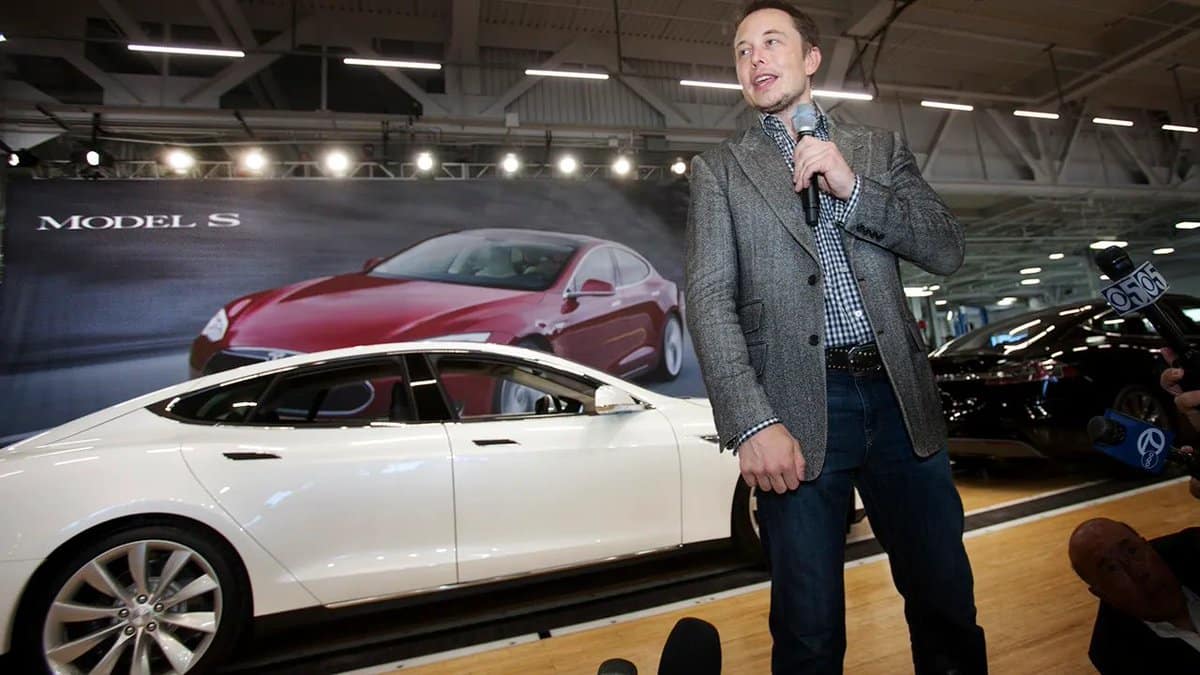
- Elon Musk confirmed the end on Q4 2025 earnings call as an “honorable discharge” and posted a 2012 throwback photo on X hinting at an “official ceremony” to mark the era’s close.
- Musk’s post suggests a deliberate event, possibly at Fremont factory, Tesla’s first formal vehicle farewell.
- Model S (2012) was Tesla’s first in-house EV; Model X (2015) introduced falcon-wing doors as pioneering electric SUV, influencing industry and funding Model 3/Y.
- By 2025, S/X sales became negligible in Tesla’s figures.
- Production lines converting to Optimus factory; Gen 3 production started Jan 2026 at Fremont (1M/year run rate), with Giga Texas factory for 10M/year.
- Optimus Gen 3 features 22 degrees of freedom per hand, AI5 chip, and FSD neural network architecture.
- Tesla to support existing S/X owners with service, updates, and parts; remaining inventory discounted.
Tesla’s meteoric rise from a niche EV maker to a global disruptor has unfolded over the years But today’s news hits differently—it’s the end of the line for the Model S and Model X, Tesla’s original flagships that put the company on the map. On the heels of Elon Musk’s Q4 2025 earnings call revelation, custom orders have ceased, farewell emails are landing in U.S. customer inboxes, and whispers of an “official ceremony” are fueling excitement (and nostalgia). This isn’t just a production halt; it’s a seismic pivot to humanoid robotics with Optimus Gen 3 taking over the Fremont factory lines.❶ ❷ ❸
In this deep dive, we’ll unpack the legacy of these iconic vehicles, the gritty details of the shutdown, the robot revolution brewing in Fremont, and what it all means for Tesla’s future—and yours if you’re an owner or prospective buyer.
The Storied Legacy of Model S and Model X: Pioneers That Changed the Game
Let’s rewind. Launched in 2012, theModel Swas Tesla’s first mass-market, in-house designed electric vehicle—a sleek sedan that shattered expectations with its 265-mile range, ludicrous acceleration, and over-the-air updates. It wasn’t just a car; it was proof that EVs could be desirable, winning Motor Trend’s Car of the Year and outselling luxury sedans combined in its early years.❹
Enter the Model Xin 2015, Tesla’s audacious electric SUV with those signature falcon-wing doors that swung upward like something out of a sci-fi flick. It pioneered the premium electric SUV segment, blending seven-seat family hauling with 0-60 mph in under 3 seconds. These models funded the Model 3 and Y ramp-up, proving Tesla’s scalability and influencing giants like Rivian, Lucid, and even legacy automakers chasing electrification.❺
Key Milestones:
- Model S (2012): First Tesla with proprietary battery pack and drivetrain; introduced Autopilot.
- Model X (2015): Falcon doors, bioweapon defense mode air filtration—quirky innovations that became cultural icons.
- Sales Peak: Combined deliveries hit ~100K/year in the early 2020s, but by 2025, they dwindled to negligible volumes amid Model 3/Y dominance (over 90% of sales).❻
By Q4 2025, S/X represented a tiny sliver of Tesla’s revenue—less than 2%—making their sunset inevitable as the company eyes trillion-dollar opportunities in autonomy and robotics.❼
Elon Musk’s “Honorable Discharge”: The Official Announcement and Ceremony Buzz
During Tesla’s Q4 2025 earnings call on January 28, 2026, Elon Musk dropped the bombshell: “It’s time to basically bring the Model S and X programs to an end with anhonorable discharge.” Production ceases in Q2 2026 (April-June), with custom orders already halted and only limited inventory remaining—deeply discounted for quick clearance.❶ ❽
Musk didn’t stop at cold facts. He posted a nostalgic 2012 throwback photo on X (formerly Twitter), teasing: “Custom orders of the Tesla Model S & X have come to an end. All that’s left are some in inventory. We will have anofficial ceremony to mark the end.” ❸ ❾Speculation points to Tesla’s Fremont factory, site of the original S production ramp. This could be the company’s first formal vehicle send-off—think ribbon-cutting in reverse, with Musk, early employees, and superfans in attendance. Details are scarce as of April 1, 2026, but expect live streams, legacy owner testimonials, and Optimus demos stealing the show.❹
Pro Tip for Fans: Monitor Tesla’s X account and events page. If you’re a collector, now’s the time—last-of-line Plaid variants could become instant classics.
Fremont Factory Metamorphosis: From Flagship EVs to 1 Million Optimus Bots Per Year
The real story? Factory real estate. Tesla’s Fremont plant in California—the beating heart where Model S first rolled off in 2012—is converting S/X lines toOptimus Gen 3production. Gen 3 manufacturing kicked off inJanuary 2026, targeting a 1 million units/year run rate by late 2026. ❿ ⓫
Meanwhile, Giga Texas gears up forOptimus Gen 4 at a whopping 10 million/yearscale—Elon’s vision of “physical AI abundance.”⓬No job cuts promised; retooling focuses on efficiency, with Optimus bots ironically building their siblings.
Optimus Gen 3 Tech Breakdown:
- Hands: 22 degrees of freedom (DoF) per hand—the “holy grail” for human-like dexterity, folding laundry or picking fragile objects.⓭
- Brain: Powered by Tesla’sAI5 chip(next-gen Dojo inference) andFSD neural network architecturefor real-time learning.
- Body: Lighter, faster (up to 5 mph walking), with factory tasks like battery handling already demoed.
- Timeline: Pilot lines live now; high-volume by Q4 2026, priced under $30K/unit long-term.⓮ ⓯
This shift underscores Tesla’s bet: Robots > Cars. Optimus could solve labor shortages in factories, homes, and beyond, dwarfing EV margins.
Support for S/X Owners: Tesla’s Long-Term Commitment
No abandonment here. Tesla vowslifetime service, software updates, and parts availabilityfor existing ~500K S/X owners worldwide. FSD (Full Self-Driving) upgrades continue, potentially enabling robotaxi use. Inventory deals? Expect 10-20% off MSRP—grab a final Plaid while supplies last, but inspect for wear.⓰
Buyer Advice:
- Current Owners: Update to latest HW4 for max FSD value; consider PPF/wraps for preservation.
- New Buyers: Refresh inventory ASAP—Cybertruck or Model Y for daily drivers.
- Investors: TSLA dip-buying opportunity? Robotics could 10x valuation.
My Analysis: A Masterstroke or Moonshot Gamble?
Tesla’s pivot is brilliant brinkmanship. S/X were sentimental relics in a volume world dominated by 3/Y/Cybertruck. Freeing Fremont accelerates Optimus, Tesla’s “most important product” per Musk—potentially a $10T market vs. EVs’ $1T.⓱Risks? Execution delays (Optimus timelines have slipped before), regulatory hurdles for home bots, and competition from Figure/Boston Dynamics.
Yet, history favors bold: iPhone killed the BlackBerry. Optimus could redefine labor. For enthusiasts, cherish your S/X—they’re museum pieces now.
Final Thought: Attend that ceremony if you can. It’s not an end; it’s Tesla’s next genesis.
What do you think—time to sell your Plaid or hold for robotaxi riches? Drop comments below!