SpaceX’s Monumental Florida Milestone: FAA Greenlights 44 Annual Starship Launches from Iconic LC-39A, Ushering in a New Era for the Space Coast
Key Takeaways
- SpaceX received FAA environmental approval for up to 44 Starship-Super Heavy launches per year from Kennedy Space Center’s LC-39A.
- Approval includes 44 Super Heavy booster landings and 44 upper-stage landings annually.
- FAA review concluded public comments and mandates mitigations for noise, emissions, wildlife, and airspace.
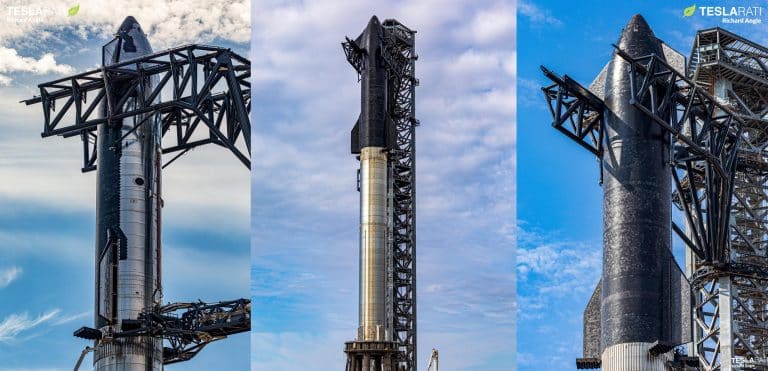
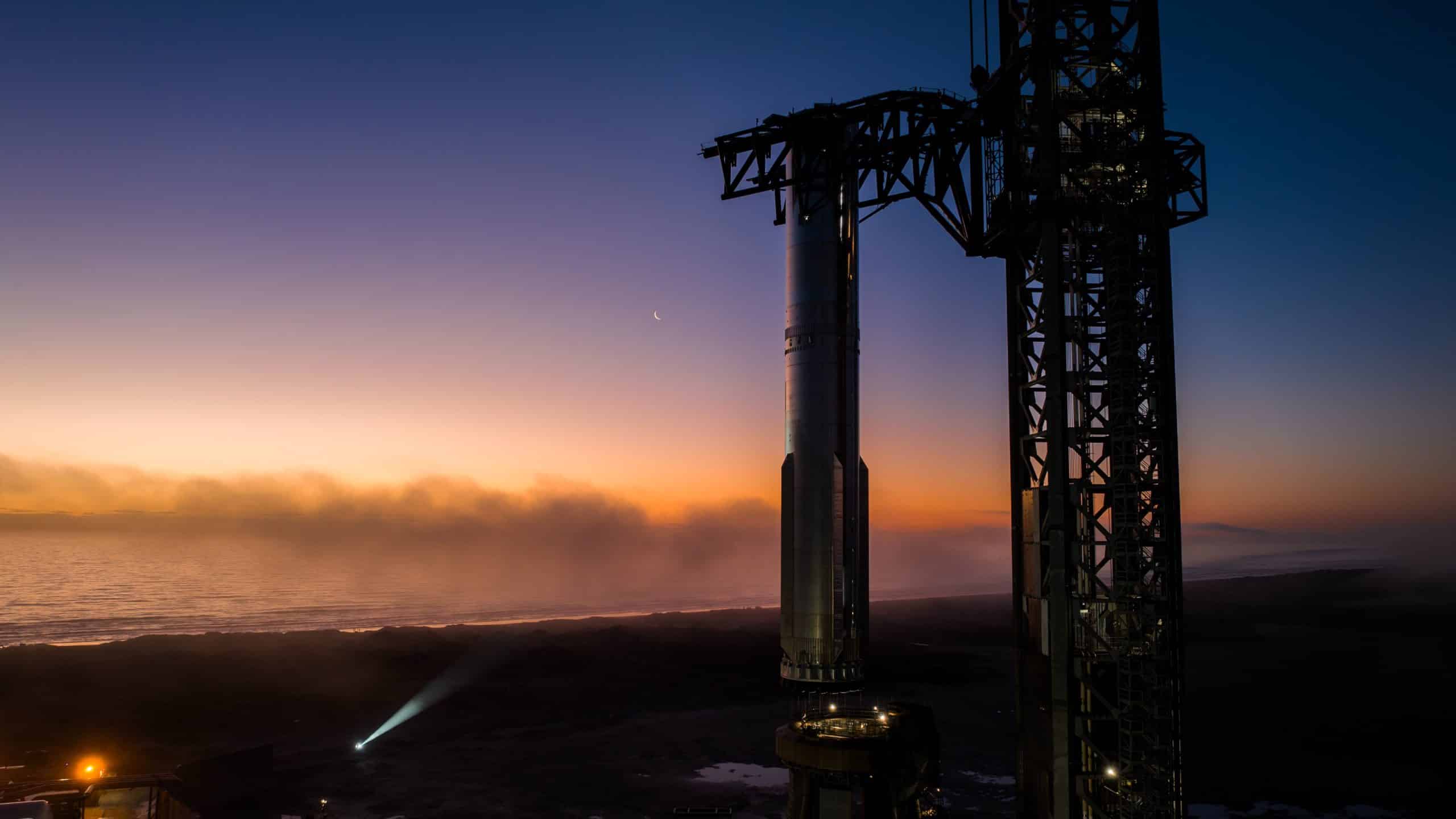
- Construction of Starship infrastructure at historic LC-39A (Apollo/shuttle site) is nearly complete.
- Potential for over 120 Starship launches yearly across Kennedy Space Center and Cape Canaveral if fully deployed.
- U.S. Air Force approved repurposing SLC-37 for Starship, awaiting FAA airspace review.
- Supports SpaceX’s satellite constellation for space-based AI data infrastructure.
- Wildlife protections include sea turtle lighting, scrub jay/beach mouse monitoring, and marine species safeguards.
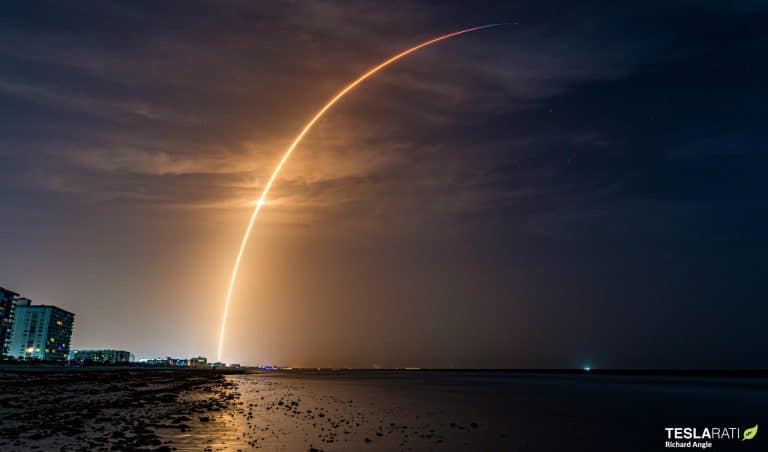
few announcements send chills down my spine like this one. SpaceX has just secured a game-changing FAA environmental approval for up to44 Starship-Super Heavy launches per yearfrom Kennedy Space Center’s legendary Launch Complex 39A (LC-39A). This isn’t just a regulatory checkbox—it’s a turbo boost for America’s space ambitions, balancing rapid reusability with robust environmental safeguards.❶ ❷Construction at the site is nearly complete, and with complementary approvals at nearby Cape Canaveral, Florida could soon host over120 Starship missions annually. Buckle up, Space Coast enthusiasts—this is how we reclaim orbital supremacy.❸
The Legacy of LC-39A: From Apollo Moon Landings to Starship’s Florida Debut
Launch Complex 39A isn’t just any pad; it’s hallowed ground. Built in the 1960s, it launched every Apollo mission to the Moon, including the iconic Saturn V blasts that propelled humanity beyond low Earth orbit. It later became the beating heart of the Space Shuttle program, witnessing 82 flights until Atlantis’s final touchdown in 2011.❹SpaceX leased the site in 2014, transforming it into a Falcon 9 and Falcon Heavy powerhouse. Now, as Dragon missions shift elsewhere, LC-39A is evolving for Starship—the fully reusable behemoth designed for 100+ ton payloads to orbit, lunar bases, and eventually Mars.❺
This transition marks a philosophical shift: from expendable giants to rapid-turnaround rockets. Starship’s infrastructure—spanning ~800,000 square feet—includes massive launch towers, propellant farms, and landing zones optimized for booster catches. With construction “nearing completion,” test static fires could happen soon, potentially leading to Florida’s first orbital Starship launch by late 2026.❸
Unpacking the FAA’s Record of Decision: Launches, Landings, and Operational Scale
The FAA’s Final Environmental Impact Statement (EIS) and Record of Decision (ROD), issued after extensive public scoping and comment periods (closing September 2025), approve SpaceX’s “Preferred Alternative.” Here’s the breakdown:
- Launches: Up to 44 Starship-Super Heavy stacks per year from LC-39A. ❷
- Landings: 44 Super Heavy booster landings (at LC-39A, droneships, or ocean expendables) and 44 Starship upper-stage landings (LC-39A, droneships, or ocean soft/hard-water in Atlantic, Pacific, or Indian Oceans)—totaling 88 landings annually. ❻ ❼
This supports NASA missions like Artemis HLS, commercial satellites, and point-to-point Earth travel. Airspace impacts include temporary closures (up to 462 hours/year for launches/reentries), managed via FAA scheduling and public notices.❼Note: This EIS clears environmental hurdles but doesn’t guarantee launch licenses—safety reviews remain.
Tackling Environmental Impacts: FAA-Mandated Mitigations That Set a Gold Standard
Critics often decry high-cadence launches as eco-nightmares, but the FAA’s ROD demands comprehensive mitigations, addressingsignificant unavoidable impactsin noise, NOx emissions (385 tons/year), and airspace. Less-than-significant effects span wildlife, water, and culture. Here’s how SpaceX must comply:
Noise and Vibration Controls
- Continuous monitoring at wildlife sites and communities.
- Public alerts via email (kennedyspacecenter@dcnotify.com), Brevard County alerts, and media.
- Property damage claims routed to insurance@spacex.com.
- Sonic boom limits to prevent structural damage (low probability outside CCSFS/KSC). ❼
Air Quality and Emissions
- Clean Air Act compliance, including Florida DEP Title V permits.
- Spill response for propellant mishaps using absorbents and containment. ❸
Wildlife Protections: A Model for Sustainable Spaceflight
Florida’s biodiversity demands vigilance. Key measures:
- Sea Turtles (green, loggerhead, Kemp’s ridley, etc.): 8+ annual light surveys (March-Oct), nest vibration monitoring, 50-ft vessel buffers, red lighting, and 24-hour injury reporting to NMFS. ❼
- Florida Scrub-Jays: Annual banding (90% population), productivity tracking, speed limits to cut roadkill, wildfire prevention training.
- Southeastern Beach Mice: Pre-construction burrow relocations (5-night trapping), radio telemetry, vibration thresholds at burrows.
- Marine Mammals (right whales, manatees): 10-knot speeds near groups, 300-1,500 ft aircraft altitudes, vessel observers, no landings in reefs/sanctuaries, debris surveys. ❸ ❼
ESA/NMFS consultations ensure adaptive management—exceed incidental takes? Reconsult immediately.
Cultural and Historic Safeguards
Programmatic Agreement for NHPA Section 106: Vibration/boom monitoring at sites like Cape Canaveral Lighthouse and archaeological zones, with annual tribal consultations (e.g., Seminole Tribe).❼
My Take: These aren’t afterthoughts—they’re enforceable license conditions with FAA oversight. SpaceX’s track record (e.g., Falcon ops) suggests compliance, proving high-tempo launches can coexist with conservation.
SLC-37 at Cape Canaveral: Doubling Down on Florida’s Starship Dominance
LC-39A is just the start. In November 2025, the U.S. Air Force issued a ROD for SLC-37 (historic Delta IV/Atlas site), approving76 launches and 152 landings/year. Construction’s underway for dual pads, though FAA airspace review pends.❽Combined with LC-39A, that’s120+ missions, rivaling Starbase, Texas.
Fueling the Future: Starlink Expansion and Space-Based AI Infrastructure
This cadence supercharges Starlink, SpaceX’s 6,000+ satellite mega-constellation providing global broadband. Starship’s payload volume (150+ tons reusable) slashes deploy costs, enabling rapid scaling for “space-based AI data infrastructure”—think edge computing in orbit for autonomous systems, disaster response, and beyond.❸Opinion: In an AI arms race, Starlink + Starship = U.S. data sovereignty from space.
Broader Impacts: Economic Boom, Community Resilience, and Lessons for Aspiring Launch Providers
Pros:
- Jobs & Economy: Thousands of high-tech roles, tourism surge (watch parties galore).
- Innovation Catalyst: Enables Starlink v2.5/Mini, dearMoon, and HLS demos.
- National Security: Reliable heavy lift for DoD/NASA.
Cons & Advice:
- Sonic booms may annoy Cocoa Beach residents—invest in insulated homes?
- Wildlife monitoring creates data goldmines for ecologists. For startups: Study this EIS—proactive mitigations accelerate approvals.
Florida’s poised to eclipse Boca Chica as Starship’s hub, weather permitting.
The Road to Florida Starship Liftoffs: Timeline and Watchlist
- Q2 2026: Infrastructure quals, first catches?
- H2 2026: Orbital tests. Track via FAA docket FAA-2024-1395 and SpaceX updates.
Final Thoughts: This approval isn’t just for SpaceX—it’s a blueprint for sustainable megascale spaceflight. Elon Musk’s vision of daily launches feels tangible. Florida, welcome to the reusable rocket revolution. What’s your prediction for KSC’s first Starship boom?❷