Elon Musk Tops Forbes’ 250 Greatest Innovators: Redefining American Ingenuity for the 21st Century
Key Takeaways
- Elon Musk tops Forbes’ inaugural list of America’s 250 Greatest Innovators, celebrating the nation’s 250th anniversary.
- Forbes defines innovation as transforming industries and creating new ones, honoring business leaders who commercialize breakthroughs.
- Musk founded or grew five multibillion-dollar companies in different industries: Tesla, SpaceX, Neuralink, xAI, and The Boring Company.
- Methodology involved 1,000 nominees judged by experts like Jim Breyer, Kara Swisher, and Rita McGrath, with AI tools like ChatGPT and Gemini aiding assessments.
- Over one-third of listees are women and people of color; all are U.S. citizens, including foreign-born like Musk from South Africa.
- No. 2 Jeff Bezos revolutionized retail with Amazon, pioneered cloud computing via AWS, and now advances space (Blue Origin) and AI manufacturing (Prometheus).
- No. 3 Bill Gates launched personal computing with Microsoft and reinvented as a philanthropist, aiding polio eradication in India.
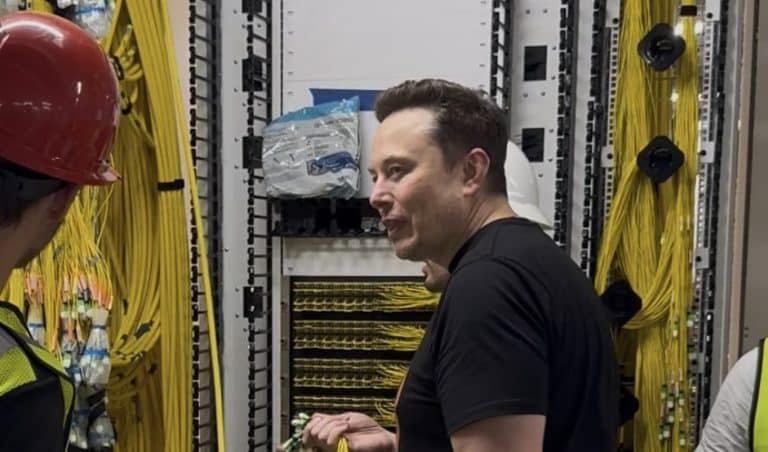
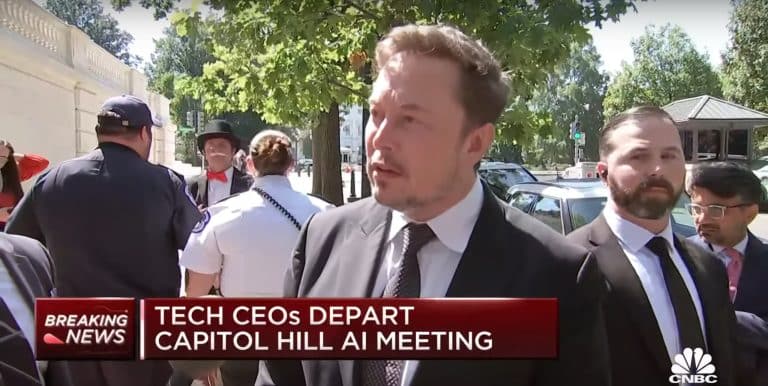
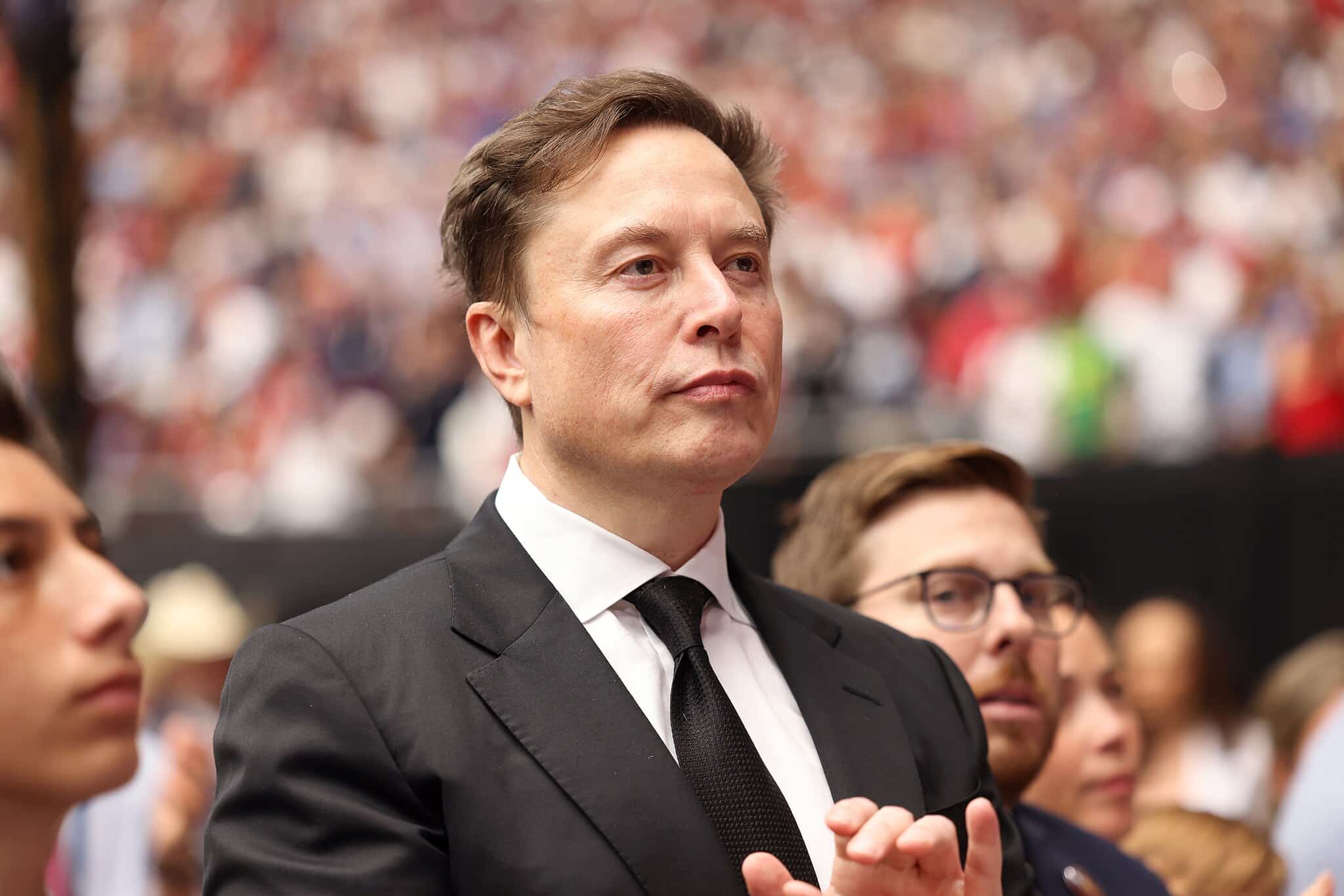
As America gears up for its 250th anniversary in 2026, Forbes has dropped a bombshell list that captures the nation’s innovative spirit: theForbes 250: America’s Greatest Innovators. At the pinnacle stands Elon Musk, the 54-year-old South African-born trailblazer who has reshaped industries from electric vehicles to space travel.❶This isn’t just a pat on the back for Tesla’s CEO—it’s a testament to his unparalleled ability to build multibillion-dollar empires acrossdiversesectors. But why Musk? And what does this list say about the future of innovation? In this deep dive, we’ll unpack the rankings, methodology, standout stories, and lessons for entrepreneurs everywhere.
The Genesis of the Forbes 250: Celebrating 250 Years of American Innovation
Forbes kicked off its 250th anniversary series with two powerhouse lists: one forliving innovators(our focus here) and another forhistoric legendslike Henry Ford and Thomas Edison.❷Innovation, per Forbes, isn’t just invention—it’s “the grease in the economic engine,” turning breakthroughs into market-dominating businesses that transform lives.❸
Key stats that highlight inclusivity:
- Over one-third of the 250 are women and people of color, signaling a shift from Silicon Valley’s old guard. ❹
- All honorees are U.S. citizens, but many—like Musk (born in Pretoria, South Africa)—are immigrants fueling the American dream.
- Spans industries: tech, media, biotech, retail, and beyond.
This list arrives amid economic turbulence, reminding us that innovation drives resilience.❸
Top 10 Innovators: A Powerhouse Lineup
Here’s the elite tier, blending tech titans, media moguls, and underdogs. I’ve pulled rankings and bios from Forbes’ coverage.❹
- Elon Musk (54) – Tesla, SpaceX, Neuralink, xAI, The Boring Company. The only person to found/grow five multibillion-dollar firms in different industries. ❶
- Jeff Bezos (61) – Amazon (retail revolution), AWS (cloud pioneer), Blue Origin (space), Prometheus (AI manufacturing). ❺
- Bill Gates (70) – Microsoft (PC revolution), philanthropy (e.g., polio eradication in India). ❹
- George Lucas (81) – Star Wars blockbusters, merchandising, Industrial Light & Magic, THX sound.
- Jensen Huang – Nvidia’s AI dominance.
- Sam Altman – OpenAI’s generative AI push.
- Phil Knight – Nike’s athletic empire.
- Martine Rothblatt – SiriusXM radio, United Therapeutics (biotech).
- Ted Turner – CNN’s 24/7 news.
- Vinod Khosla – Sun Microsystems, VC trailblazer.
The full 250 includes surprises like Madonna, Steven Spielberg (#29), Oprah Winfrey, and Warren Buffett (#35).❻ ❹Deeper cuts: Judy Faulkner (#16, health records), Palmer Luckey (#33, Oculus VR), and Rodney Brooks (#44, Roomba inventor).
Inside Forbes’ Rigorous Methodology: Judges, AI, and Human Insight
No fluff here—Forbes’ process was thorough:
- Nominations: ~2,000 candidates from Forbes reporters (nearly 1,000 for living innovators). ❸
- Judges Panel (world-class experts):JudgeAffiliationJim BreyerBreyer Capital founder ❸Ken FrazierFormer Merck CEOSonia GardnerAvenue Capital cofounderMonica JonesNational Inventors Hall of Fame CEORich KarlgaardFormer Forbes publisherRita McGrathColumbia Business School ❼Kara SwisherNY Mag editor-at-largeOthers: Katie Rae (Engine Ventures), Josh Wolfe (Lux Capital), etc. ❸
- Five Criteria (scored rigorously):
- Creativity: Novelty of ideas.
- Breadth: Multiple innovation vectors.
- Disruption: Industry upheaval.
- Engagement: Hands-on execution.
- Impact: Economic/people’s lives transformation. ❸
- AI Boost: ChatGPT and Gemini rated every candidate for broad consensus (ChatGPT was stricter). ❸
- Final Cut: Editors debated and ranked.
This blend of human expertise and AI ensures objectivity.❽
Why Elon Musk Reigns Supreme: A Multi-Billion Dollar Empire
Musk’s #1 spot? Undeniable breadth. His portfolio:
- Tesla: ~$1.58T market cap (2026), EV/robotics leader. ❾
- SpaceX (post-xAI merger): $1.25T combined ($1T SpaceX + $250B xAI), eyeing $1.5T IPO. ❾ ❿
- Neuralink: Brain-machine interfaces (multibillion valuation).
- xAI: Merged into SpaceX powerhouse.
- Boring Company: Tunnels/infrastructure.
In a 2003 Forbes interview, Musk presciently said: “Long term… the most powerful thing we could do is establish a second, self-sustaining civilization outside of Earth.”⓫Today, with Starship and Grok AI, he’s delivering.
My Take: Musk embodies “breadth + disruption.” Critics call him erratic, but his risk appetite—betting on reusable rockets when NASA laughed—proves engagement and impact. Lesson: Innovate orthogonally; don’t silo.
Timeless Wisdom from Innovators’ Interviews
Forbes revisited classic chats, revealing patterns:⓫
- Jeff Bezos (1998): “Online sellers… must offer an overwhelming value proposition.”
- Bill Gates (1991): Drove MS-DOS standards via licensing.
- Henry Ford (1928): “We started from scratch… What is a car for?”
- Jensen Huang (2008): Envisioned 3D Earth rendering—now AI reality.
Insight: True innovators question fundamentals and obsess over execution.
Diversity’s Rise: Women and POC Leading the Charge
From Martine Rothblatt (#8, biotech/transhumanism) to Judy Faulkner (#16, EHR pioneer), the list spotlights underrepresented voices. This reflects entrepreneurship’s democratization—VCs now back diverse founders amid AI/biotech booms.
Lessons for Aspiring Innovators: Expert Analysis
- Embrace Breadth: Like Musk, cross-pollinate industries (e.g., AI + space).
- Measure Impact: Commercialize—ideas die without markets.
- Leverage AI/Tools: Forbes did; you should too for ideation/scaling.
- Stay Hands-On: Engagement beats delegation.
- Risk Boldly: Bezos, Gates thrived on “infant tech” bets.
- Diversify Talent: Build inclusive teams for broader creativity.
Opinion: In 2026’s AI/space race, Musk’s model wins. But watch #6 Sam Altman—AGI could eclipse all.
The Road Ahead: Innovation in Trump’s America?
With SpaceX IPOs looming and Tesla’s robotaxi/Optimus pivot, 2026 screams opportunity.❾Yet, regulation looms. Forbes’ list? A rallying cry: Innovate or perish.
Elon Musk atop the Forbes 250 isn’t hype—it’s history echoing forward. What’s your take? Drop thoughts below.