Seven Years On: The Tesla Roadster’s Cosmic Legacy and the Explosive Rise of SpaceX and Tesla
Key Takeaways
- Falcon Heavy’s 2018 launch with Elon Musk’s Tesla Roadster was a bold, non-commercial stunt amid SpaceX and Tesla’s uncertainties, inspiring millions.
- Tesla’s market cap grew from $55-60B (seen as overvalued) to $1.54T; Model Y is world’s best-selling car for 3 years, with vision-only autonomy advances.
- Tesla evolved beyond cars via Optimus humanoid robots, positioned as potential Von Neumann machines for off-Earth civilization-building.
- Falcon 9 dominates launches with >600 missions and >560 booster landings, outpacing all competitors; enables Crew Dragon astronaut flights to ISS.
- Starlink revolutionized satellite internet, now industry leader; SpaceX valued at $1.25T after xAI merger, eyeing massive IPO.
- Starship advances from aspiration to active testing, key for NASA’s lunar plans and multiplanetary humanity.
- Roadster launch symbolized risk-taking; now orbiting Sun, shifting focus from “if it works” to “how far it goes.”
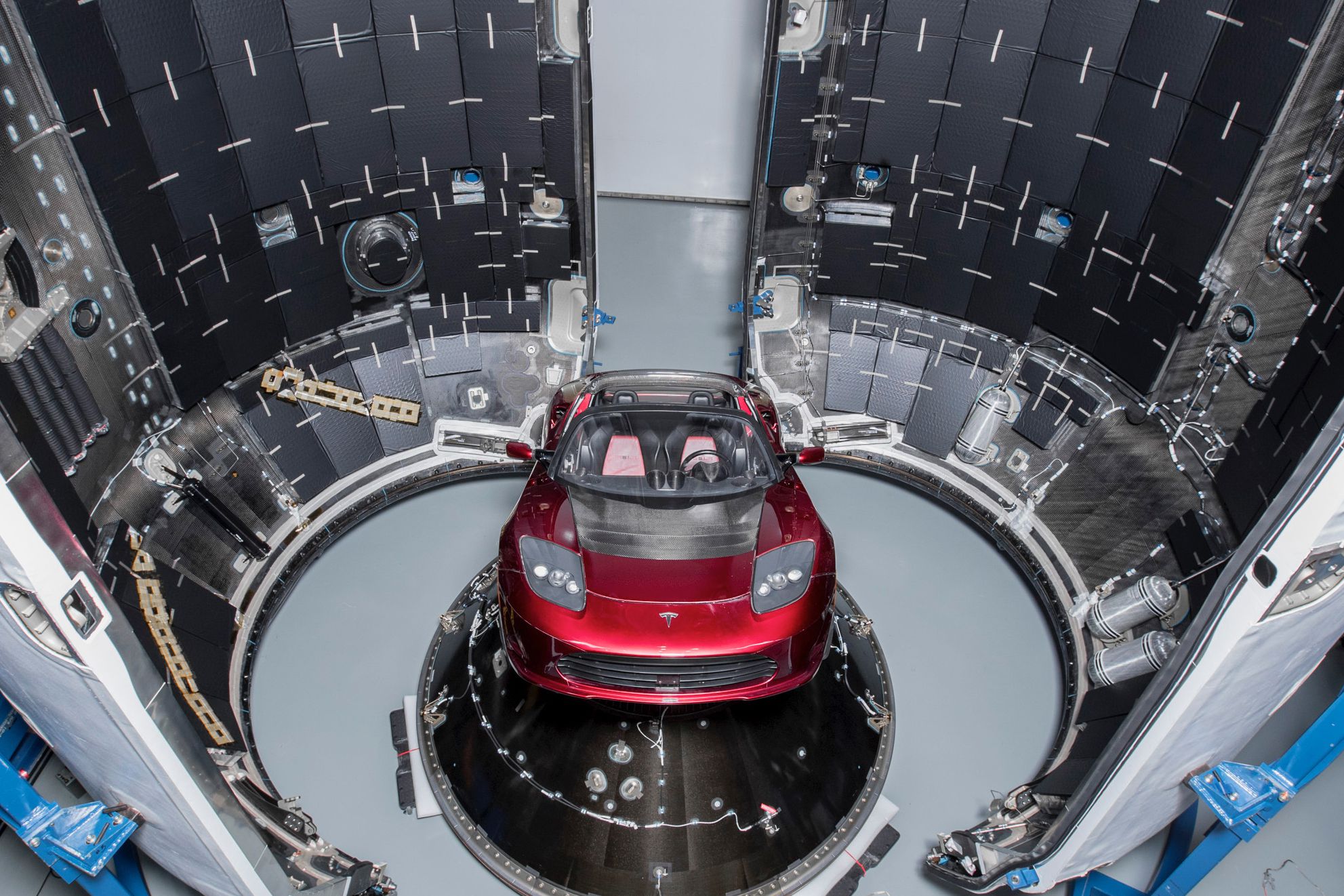
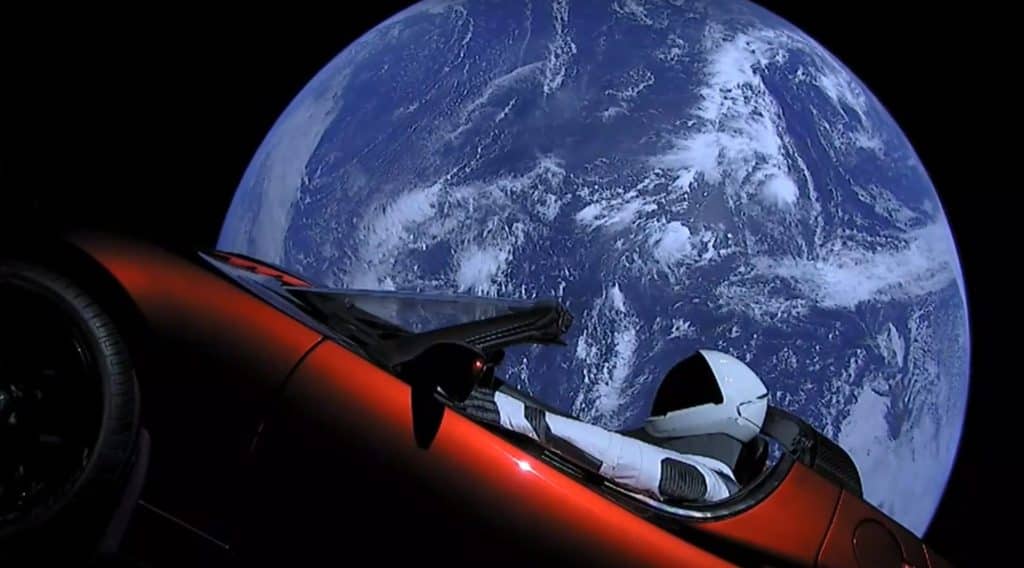
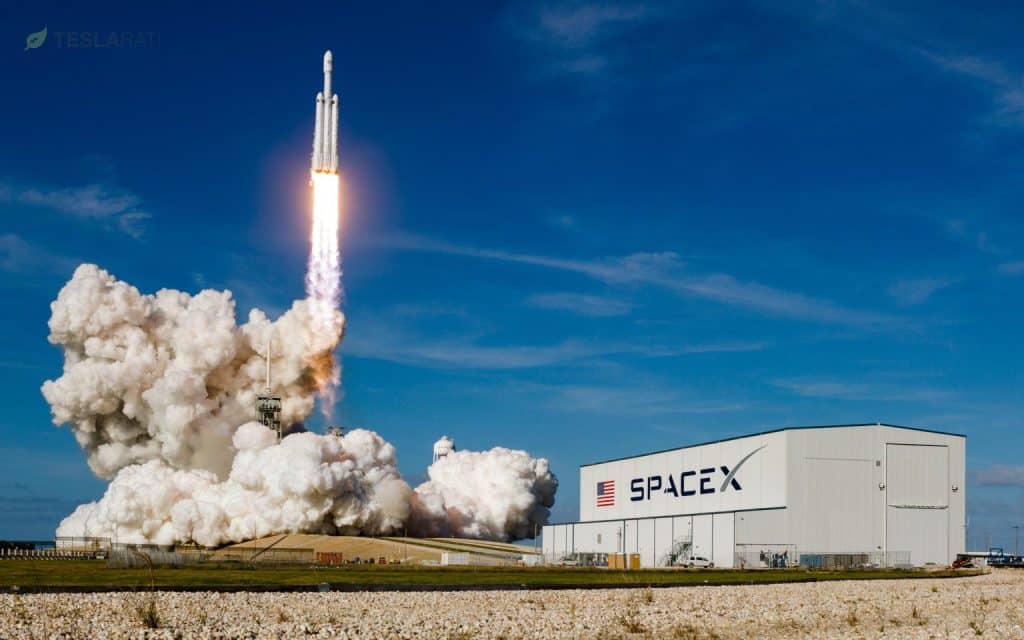
In the annals of space exploration, few moments capture the imagination quite like the Falcon Heavy’s maiden flight on February 6, 2018. Strapped atop this behemoth rocket wasn’t a satellite or scientific payload, but Elon Musk’s cherry-red Tesla Roadster, complete with a mannequin named Starman at the wheel, blasting David Bowie’s “Space Oddity” into the void. Critics called it a stunt; visionaries saw it as a declaration of intent. Fast-forward seven years to 2026, and that “stunt” has aged like fine wine, symbolizing the audacious risk-taking that propelled SpaceX and Tesla from precarious upstarts to trillion-dollar titans reshaping industries.❶ ❷
As a blogger who’s tracked Musk’s ventures for over a decade, the skepticism turn to awe has unfolded over the years Back then, SpaceX was the plucky private player dodging bankruptcy whispers, and Tesla was mired in “production hell” with the Model 3. Today? Tesla boasts a market cap of $1.54 trillion, making it the world’s most valuable automaker, while SpaceX—fresh off a merger with xAI—sits at $1.25 trillion, eyeing the largest IPO ever.❸ ❹This blog dives deep into that transformation, unpacking key milestones, offering insights on what’s next, and why this duo continues to redefine what’s possible.
The Bold Origins: Falcon Heavy and the Roadster “Stunt”
Picture this: 2018. SpaceX’s Falcon Heavy—three Falcon 9 cores strapped together—roars to life, boosting the Roadster into a heliocentric orbit that crosses Mars’ path. No commercial cargo, no NASA contract—just pure inspiration. The car, now drifting silently around the Sun, is trackable in real-time via sites like WhereIsRoadster.com, currently some 303 million kilometers from Earth in the constellation Sagittarius.❺
Why it mattered then:
- Amid uncertainty: SpaceX was proving reusability; Tesla’s valuation hovered at $55-60 billion, dismissed as a bubble. ❸
- Cultural impact: It went viral, humanizing space tech and drawing millions to STEM.
In my view, this wasn’t frivolity—it was marketing genius fused with engineering bravado. Traditional aerospace giants like Boeing shunned such risks; Musk embraced them, signaling to talent and investors: “We’re here to inspire, not just iterate.”
Tesla’s Meteoric Ascent: From Production Hell to Global Dominance
Tesla’s journey post-2018 is a masterclass in scaling disruption. Skeptics who decried its valuation have been silenced.
Market and Sales Explosion
- Tesla’s market cap exploded to $1.54 trillion by February 2026, a 25x+ leap. ❸
- The Model Y? World’s best-selling car for three straight years (2023-2025), defying EV market headwinds. ❷
Autonomy and AI Leadership
Tesla’s Full Self-Driving (FSD) now navigates via vision-only systems, ditching radar/LiDAR for camera-based neural nets—a bet paying off in real-world complexity.
Insight: This pivot slashes hardware costs, positioning Tesla as an AI powerhouse. Advice for investors: Watch FSD robotaxi unveilings; they’re the real valuation driver.
Optimus: The Humanoid Revolution
No longer “just cars,” Tesla’s Optimus robot—unveiled as a suit-wearing gag—has evolved rapidly:
- Progress timeline:
- Musk envisions Von Neumann-style self-replicators for off-world factories.
Opinion: Optimus could eclipse EVs in revenue by 2030. Early adopters: Factories needing tireless labor. Risk? Delays—Musk’s timelines often slip, but iteration speed compensates.❿
SpaceX’s Rocket Renaissance: Reliability Meets Ambition
SpaceX didn’t just survive; it monopolized.
Falcon Family Dominance
- Falcon 9 stats (Feb 2026): 607 launches, 604 successes; >560 booster landings. Flies more than all rivals combined. ⓫
- Crew Dragon: Restored U.S. crewed flights; rescued astronauts like Butch Wilmore/Suni Williams.
Starlink and Valuation Surge
- Starlink: From “controversial” to broadband king, beaming internet globally.
- Post-xAI merger: $1.25T valuation, IPO whispers abound. ❹
Starship: The Multiplanetary Game-Changer
- From 2018 dream to reality: 11 flights by late 2025 (6 successes). ⓬
- 2026 updates:MilestoneTimelineImpactFlight 12ImminentReusability proofs ⓭V3 MaidenQ1 20262x thrust upgrade ⓮Artemis Lunar2026-27NASA HLS contract ⓯Mars ShiftDelayed to 2027+Moon-first focus ⓰
Pro Tip: Track Starbase launches live—public tests build hype and data.
Synergies and the Bigger Picture: Musk’s Empire
SpaceX + Tesla + xAI? A trifecta:
- Shared tech: AI from Tesla powers Starship autonomy; Optimus eyes Mars factories.
- Risk philosophy: 2018’s Roadster embodied “fail forward.”
Future Predictions (my take):
- Starship orbital refueling by mid-2026 unlocks deep space.
- Optimus in Tesla factories 2027, external sales 2028.
- SpaceX IPO 2027+ at $2T+ valuation.
Challenges? Regulation, competition (Blue Origin, China). But Musk’s edge: Execution velocity.
From “What If” to “How Far?”
The Roadster orbits on, a lonely sentinel.⓱Seven years ago, it asked “What if this works?” Today, it begs “How far does this go?” For entrepreneurs: Embrace bold stunts—they inspire loyalty. For fans: Buckle up; multiplanetary life is nigh.
What’s your take on Musk’s vision? Drop a comment!