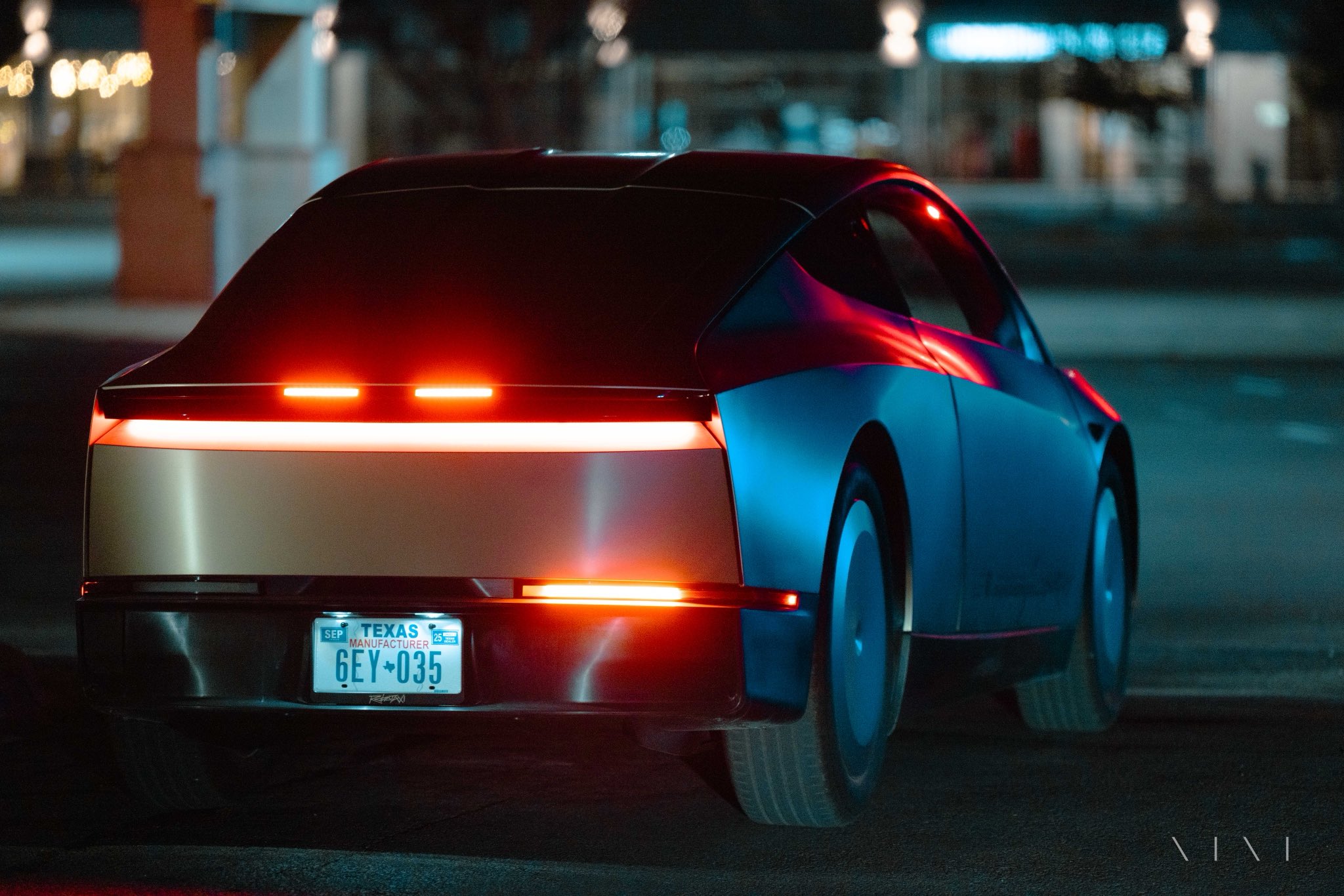
Tesla’s Robotaxi Revolution: How a Two-Seater Cybercab Could Dominate Urban Mobility
Key Takeaways
- Over 90% of vehicle miles traveled involve two or fewer passengers, informing Cybercab’s two-seater design (Lars Moravy).
- Elon Musk emphasizes no fallback for Cybercab’s autonomy; production starts April 2026, expecting more Cybercabs than all other Tesla vehicles combined.
- Cybercab handles most Robotaxi trips, with Model Y for 3-4 passengers, extended Model Y L for 5-6, and Robovan for larger groups.
- Tesla’s strategy uses varied vehicles for different needs under a unified autonomous software platform, mirroring current transportation.
In the fast-evolving world of autonomous vehicles, Tesla is positioning itself not just as a carmaker, but as a comprehensive mobility provider. During the recent Q4 and FY 2025 earnings call, executives Lars Moravy and Elon Musk laid out a bold vision for Robotaxi services that doesn’t hinge on cramming everyone into a single vehicle type. Instead, Tesla is leveraging data-driven design and a diversified fleet to cover every passenger scenariou2014from solo commuters to large groups. This approach, rooted in real-world usage patterns, could redefine urban transportation, making it safer, cheaper, and more efficient. As a blogger who’s followed Tesla’s autonomy journey for years, This reads as masterstroke that sidesteps common pitfalls in the AV spaceu2776
The Data That Drives Design: Why Two Seats Are Enough for 90% of Trips
Let’s start with the numbers, because Tesla’s strategy isn’t hypeu2014it’s backed by cold, hard stats on how people actually travel. VP of Vehicle Engineering Lars Moravy highlighted during the earnings call thatover 90% of vehicle miles traveled today involve two or fewer passengers. This isn’t a Tesla-specific figure; it’s a global trend reflected in U.S. data from sources like the National Household Travel Survey, which pegs the average occupancy at just 1.5 persons per trip in 2022.u2777
Digging deeper:
- Solo trips dominate: Around 13% of occupants travel alone as passengers, with many more drivers solo.u00a0u2778
- Carpooling is rare: Only 16% of trips involve a driver plus multiple passengers, and occupancy rates have been declining nationwide due to remote work, ride-sharing apps, and urban density.u00a0u2779
- Miles matter more than seats: Focusing on vehicle miles traveled (VMT) reveals that empty seats are the norm, wasting fuel and space.
This data directly informed the Cybercab’s two-seater layout. Why build oversized vans for everyday use when most trips are intimate? Moravy nailed it: “General transportation is going to be better served by autonomy as it will be safer and cheaper.”u2776As someone who’s analyzed AV economics, I predict this efficiency will slash operational costs by 50-70% compared to human-driven taxis, passing savings to users.
Visualizing the Stats: A Quick Breakdown
| Occupancy Level | % of Vehicle Miles Traveled | Example Trips |
|---|---|---|
| 1 Passenger | ~50-60% | Commutes, errands |
| 2 Passengers | ~30-40% | Couples, parent-child |
| 3+ Passengers | <10% | Family outings, groups |
Source: Aggregated from NHTSA and NHTS data. u277a u2777
Elon Musk’s High-Stakes Bet: No Fallback for Cybercab Autonomy
Elon Musk doubled down on Moravy’s point, calling the 90% stat “very important” and revealing there’sno Plan B for the Cybercab. “This car either drives itself or it does not drive,” he stated bluntly. Production kicks off in April 2026 at Giga Texas, with Tesla expecting to manufacturefar more Cybercabs than all other vehicles combined over time. u277b u277c u277d
This all-in commitment is classic Musku2014risky, but visionary. Recent winter testing shows the Cybercab enduring harsh conditions, and Elon reaffirmed the timeline just days ago, with less than 100 days to go as of late January 2026.u277ePriced under $30,000 with inductive charging and no steering wheel or pedals, it’s optimized for fleet use: two butterfly-door seats, a massive 21-inch central screen, and butterfly doors for quick ingress/egress.u277f u24eb
My opinion: Competitors like Waymo focus on retrofitting existing models, but Tesla’s ground-up design leverages its FSD (Full Self-Driving) software stack. If unsupervised autonomy scales as promisedu2014already happening in Austin without safety driversu2014this could flood cities with affordable robotaxis by 2027.u24ec
Tesla’s Robotaxi Fleet: A Tiered Lineup for Every Need
The genius here? Tesla isn’t forcing a one-size-fits-all vehicle. Instead, it’s amodular fleet under unified FSD software, mirroring today’s taxis, buses, and vans. Here’s the lineup:
1. Cybercab: The Workhorse (1-2 Passengers)
- Handlesu00a090%+ of trips.
- Production: April 2026, unboxed manufacturing for <10 hours per unit.u00a0u24ed
- Features: ~40kWh NC05 battery, fast charging, low cost/km.u00a0u24ee
2. Model Y: Mid-Size Groups (3-4 Passengers)
- Already powering Robotaxi rides in Austin via the Tesla appu2014no waitlist now.u00a0u24efu00a0u24f0
- Proven autonomy, scalable fleet.
3. Extended Model Y L: Family Hauler (5-6 Passengers)
- Potential North American rollout if greenlit by Musk.
- Bridges gap between sedans and vans.
4. Robovan: Large Groups & Cargo (10-20+ Passengers)
- Unveiled at We Robot 2024: Fully autonomous van, modular seating for 20 people or freight.u00a0u24f1u00a0u24f2u00a0u24f3
- Ideal for events, shuttles, deliveriesu2014no pedals or wheel.
This ecosystem unifies via the Robotaxi app, dynamically matching vehicles to demand. Early Austin tests with 10 Model Ys are expanding rapidly.u24f4
Production Ramp-Up and Roadblocks Ahead
Cybercab volume production starts H1 2026, but expect a slow rampu2014Musk warns of initial constraints before scaling.u24edTesla’s Q4 update deck notes OTA improvements boosting fleet performance, with energy storage records supporting charging infra.u24f0
Challenges? Regulatory hurdles in new states, AI training (Tesla invested $2B in xAI), and proving 10x safer than humans.[21]But with Robotaxi rides live and unsupervised, momentum is building.u24ec
Future Implications: Reshaping Cities and Economies
Imagine: Empty parking lots reclaimed as parks, reduced congestion (AVs optimize routes), and gig economy drivers obsolete. Tesla’s model could generate trillions in valueu2014Musk eyes Robotaxi as the core business.
Advice for investors/readers:
- Watch Austin expansion for real-world metrics.
- Bet on FSD subscriptions; they’re the software moat.
- Urban dwellers: Prep for $0.20/mile rides by 2028.
analysis: Tesla Wins by Not Over-Engineering
Tesla’s refusal to build a “Swiss Army knife” vehicle is brilliant. Legacy automakers chase multi-purpose SUVs; Tesla optimizes for VMT reality. Paired with vertical integration (batteries, AI chips), this fleet crushes Uber/Lyft economics. Risks existu2014delays, accidentsu2014but data and demos scream upside. Buckle up; the Robotaxi era starts now.
What do you think? Cybercab solo or family Robovan first? Drop comments below!
“