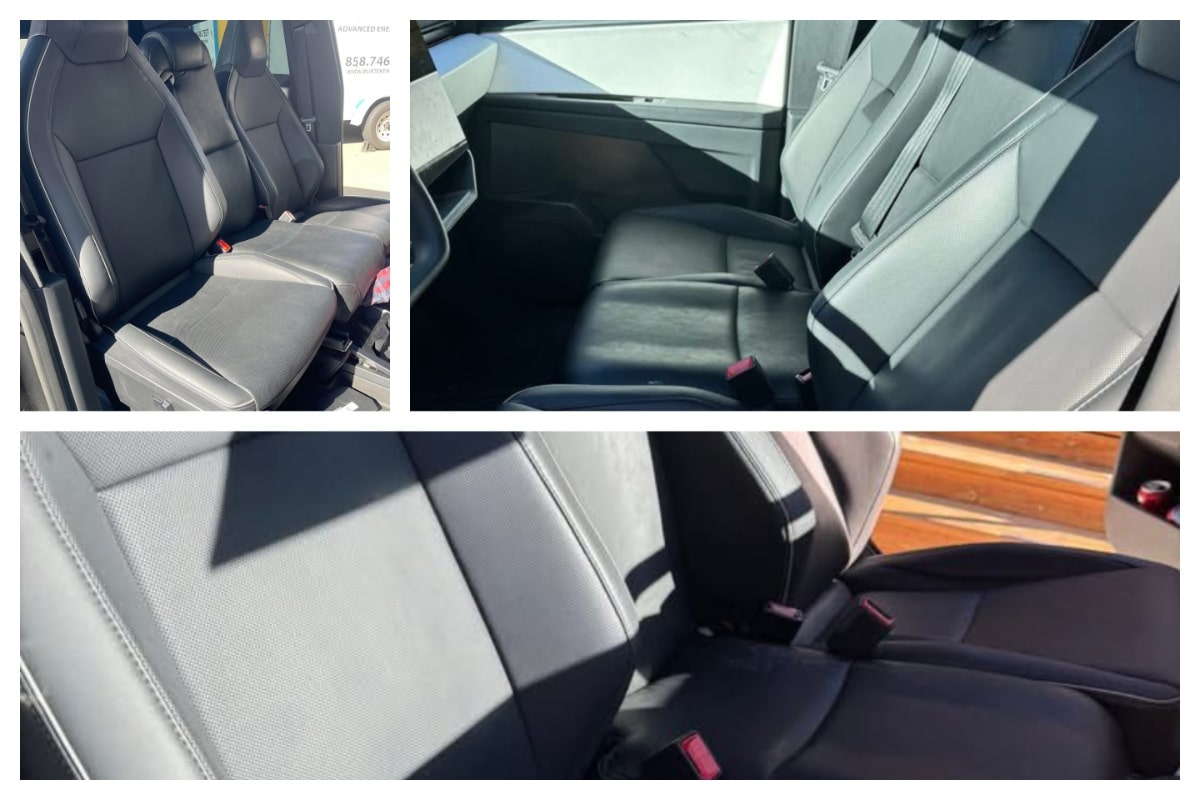
Tesla Finally Delivers a Cybertruck Interior Change Owners Asked For
Key Takeaways
- Tesla Cybertruck features a five-seat configuration: two in the front and three in the back.
- Bench seating, a popular choice in full-size pickups, was initially intended for the Cybertruck but ultimately excluded.
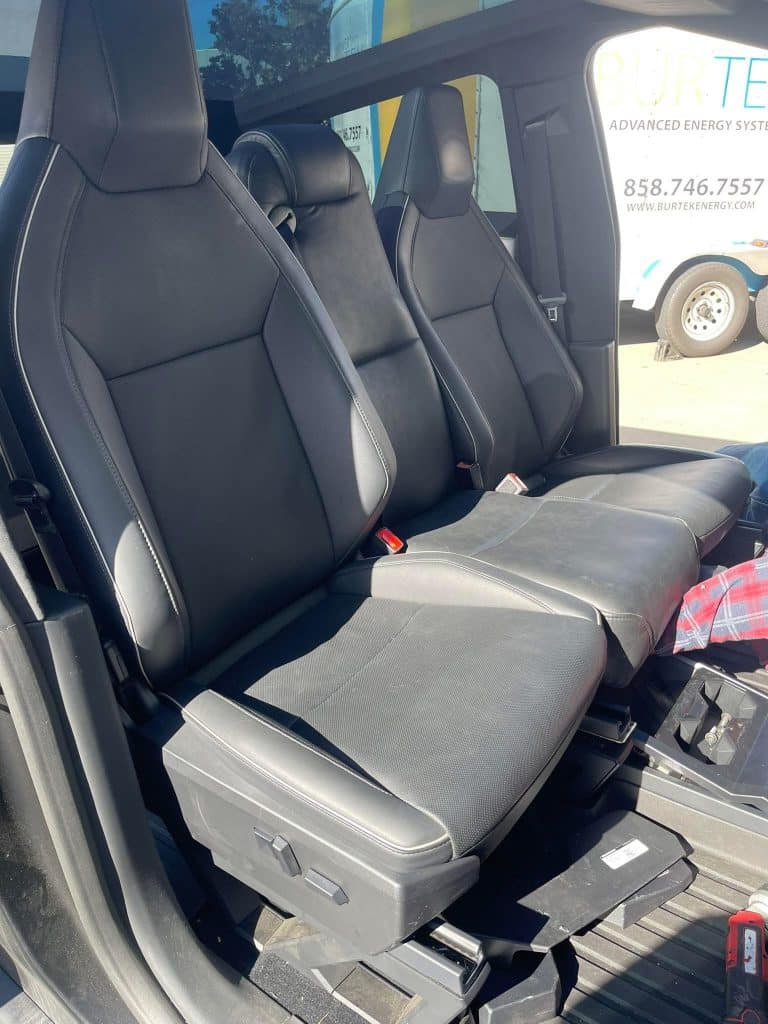
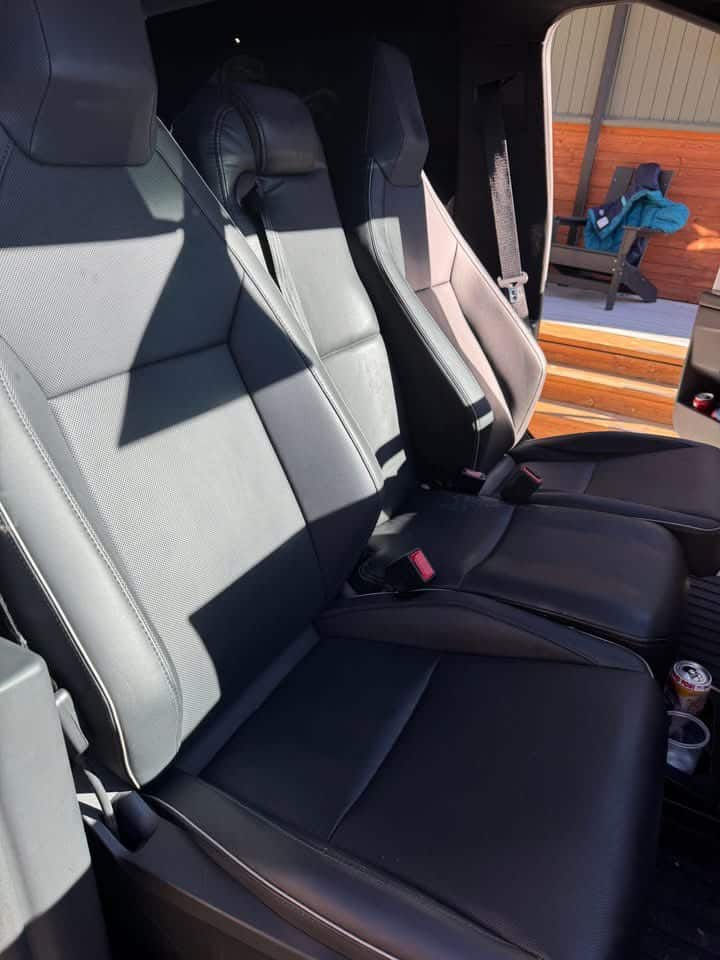
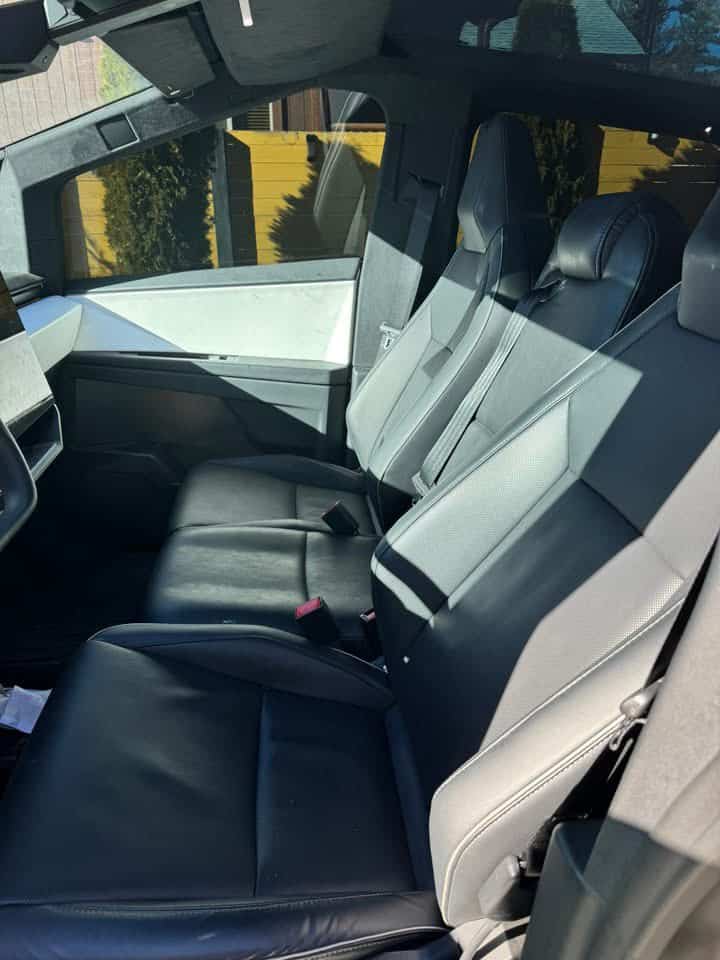
- A creative owner modified their Cybertruck to include a third front seat, although it may not meet regulatory standards.
- Despite high publicity, Cybertruck sales have been disappointing since its 2023 launch due to increased pricing beyond initial projections.
- Tesla’s design philosophy includes potential future modifications, leaving room for upgrades like bench seating in the Cybertruck.
The Tesla Cybertruck has been one of the most anticipated vehicle releases in recent years, capturing the imagination of both technology enthusiasts and traditional truck aficionados. However, its journey from concept to market has faced numerous challenges, particularly in terms of design adaptability and pricing strategy. This blog post explores the key aspects of the Cybertruck’s interior design choices, market performance, and the potential for future modifications.
The Cybertruck Seating Conundrum
Revolutionary Design Meets Traditional Expectations
The initial unveiling of the Cybertruck promised a futuristic leap in design, highlighted by its angular exoskeleton and robust battery-powered performance. When Tesla introduced the Cybertruck in 2019, the concept included a unique interior seating arrangement that appealed to a wide audience:
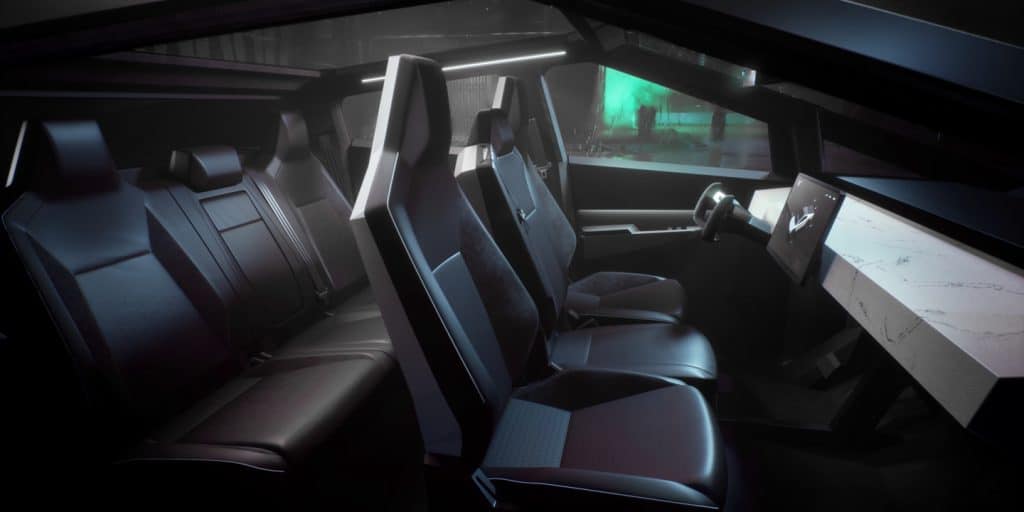
- Original Configuration: Tesla planned a six-seat configuration with a front bench seat during its 2019 unveiling. This layout mirrored traditional full-size pickups, making it appealing for those who appreciate versatility in passenger arrangements.
- Final Production Design: Upon release, Tesla opted for a more conventional five-seat configuration, consisting of two seats in the front and three in the back. This decision marked a departure from the anticipated bench seat, raising questions about practicality versus innovation.
Consumer Response and Modifications
Creative Solutions and Regulatory Challenges
Although the Cybertruck’s streamlined interior design made a statement, some Tesla enthusiasts sought to reclaim the lost bench seat:
- Owner Modifications: In a nod to the original unveiling, a resourceful owner modified their Cybertruck to include a third seat in the front. This adaptation underscores a desire for flexibility but also highlights potential safety concerns, such as the lack of an airbag in the added seating area.
Market Performance and Pricing Strategy
High Publicity, Low Sales Figures
Despite its distinctive design and technological advancements, the Cybertruck has underperformed in terms of sales. Several factors contribute to this discrepancy between expectation and reality:
- Pricing Shifts: The original price range of $39,990 to $69,990 made the Cybertruck an attractive option, but only until release. Prices soared past $100,000 for the upper configurations, dissuading many potential buyers.
- Unfulfilled Orders: The inflated pricing built barriers to fulfilling Tesla’s substantial pre-order list, dampening initial excitement.
Future Prospects for Cybertruck
Adaptation and Potential Refresh
Tesla’s design philosophy embraces continual innovation. This ethos suggests that while the Cybertruck may not reflect the original design concept, it remains open to modifications:
- Potential for Updated Models: Tesla typically revises its vehicle lineup periodically. Future iterations of the Cybertruck could potentially incorporate features like bench seating if market demand and safety regulations align.
The Tesla Cybertruck, despite its hurdles, remains an emblem of automotive innovation. Its journey challenges the norms of traditional truck design while highlighting the importance of aligning pricing strategy with market expectations. As Tesla continues to adapt, the Cybertruck evolution may surprise both critics and advocates alike.