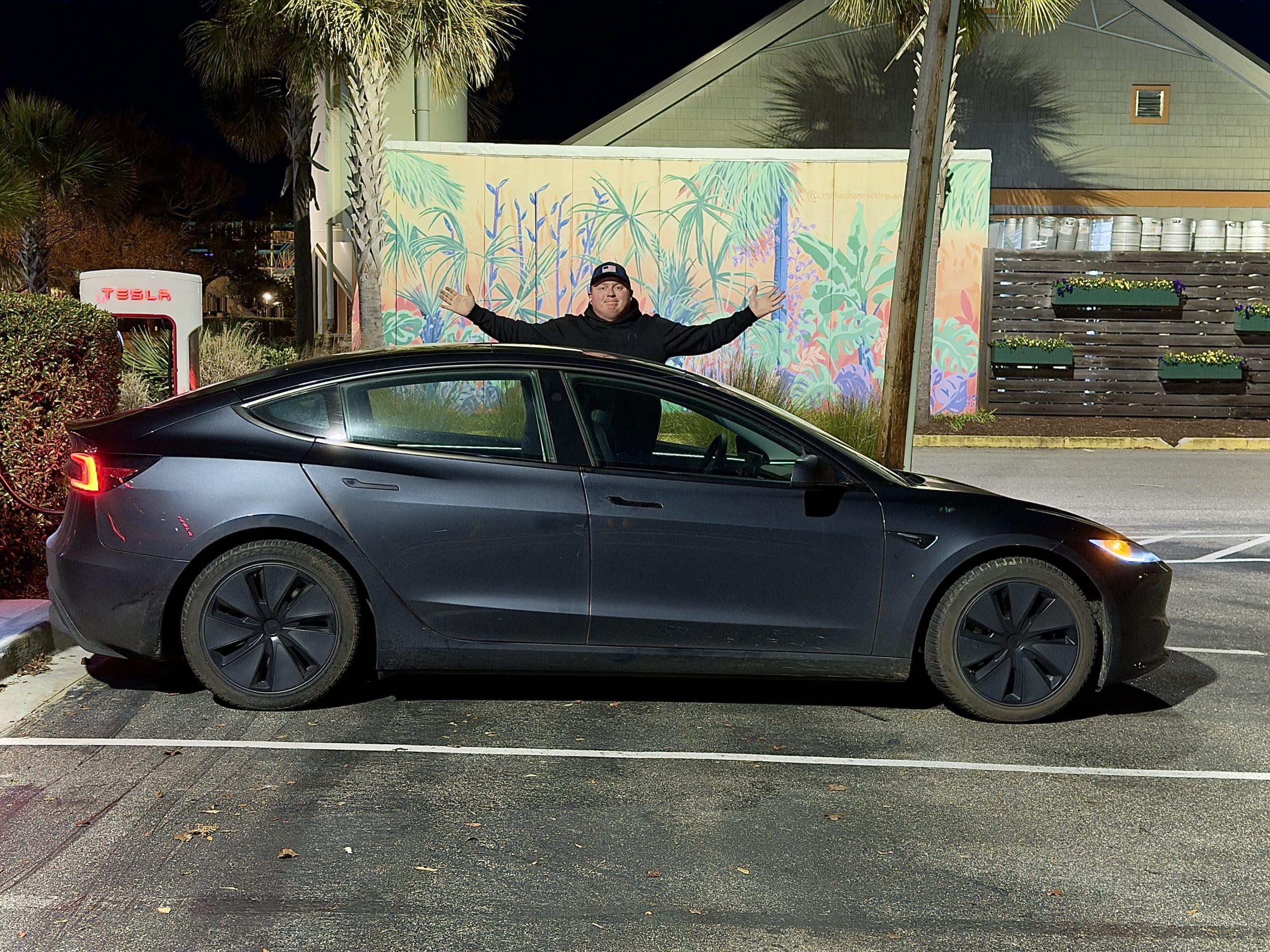
A New Era of Autonomous Driving: Tesla’s Coast-to-Coast Success
Key Takeaways
- Davis Moss completed a coast-to-coast drive with Tesla’s Full Self-Driving (FSD) system, taking 2 days and 20 hours.
- The trip spanned 2,732.4 miles and was executed without any interventions or disengagements.
- Moss’s Model 3, equipped with FSD v14.2.1.25, achieved the milestone using FSD 100% of the time during the journey.
- Elon Musk praised the accomplishment, linking it to a goal set for Tesla’s autopilot capabilities since 2016.
- Tesla VP of AI Software, Ashok Elluswamy, also celebrated the achievement, marking it as a significant milestone for autonomous driving.
In a groundbreaking moment for automotive technology, a Tesla owner has successfully completed a coast-to-coast drive across the United States using Tesla’s Full Self-Driving (FSD) system, marking a significant milestone in the evolution of autonomous vehicles. The journey, which covered 2,732.4 miles, was accomplished without any interventions, showcasing the potential and reliability of fully autonomous driving technology.
The Journey: Coast-to-Coast with Zero Interventions
Davis Moss, the pioneering Tesla owner behind this feat, piloted his stealth gray Model 3 from the Tesla Diner in Los Angeles, California, to Myrtle Beach, South Carolina. The cross-country trip spanned a remarkable 2 days and 20 hours, underscoring the capability of Tesla’s FSD system to handle long-distance travel across varied terrains and road conditions.
Key Journey Statistics:
- Duration: 2 days and 20 hours.
- Distance: 2,732.4 miles.
- FSD Version: v14.2.1.25.
- Interventions: None – the drive was executed with 100% reliance on Tesla’s FSD.
The Technology: Tesla’s FSD v14.2.1.25
Tesla’s Full Self-Driving technology is an advanced driver-assistance feature that represents the company’s commitment to achieving fully autonomous driving. The milestone reached by Moss was made possible by FSD version 14.2.1.25, which was installed just 12 days prior to his journey. This version was equipped with AI4 hardware, ensuring a seamless and highly efficient driving experience.
Features of FSD v14.2.1.25:
- Enhanced Navigation: Improved route planning and real-time decision making.
- Obstacle Detection: Advanced sensors and AI capabilities to detect and respond to road hazards.
- Parking Autonomy: Full automation not only on highways and city roads but also in parking scenarios including Tesla Superchargers.
The Reaction: Community and Corporate Acclaim
The successful coast-to-coast drive was met with widespread acclaim from the Tesla community, as well as industry leaders. Since 2016, when Elon Musk first identified a cross-country autonomous drive as a key objective for Tesla’s technology, this achievement has been highly anticipated. Musk, alongside Tesla’s VP of AI Software Ashok Elluswamy, took to social media to celebrate this remarkable accomplishment.
Community Highlights:
- Elon Musk’s Celebratory Remarks: Musk highlighted the significance of Moss’s journey, connecting it to a long-standing goal for Tesla’s FSD system.
- Ashok Elluswamy’s Acknowledgment: Elluswamy noted the world’s first fully autonomous coast-to-coast drive, reinforcing Tesla’s leadership in self-driving technology.
- Community Support: Tesla enthusiasts and automotive experts alike applauded the milestone, viewing it as a leap forward in making autonomous travel a reality.
Implications for the Future of Driving
This milestone doesn’t just mark a success for Tesla; it sets the stage for the future of transportation as a whole. As more advancements are made in autonomous vehicle technology, the potential for safer, more efficient, and sustainable travel grows exponentially. This achievement could inspire confidence in consumers and regulatory bodies alike, catalyzing broader acceptance and adaptation of autonomous vehicles.
Future Considerations:
- Regulatory Hurdles: Navigating legal frameworks to ensure widespread adoption of FSD.
- Public Perception: Increasing consumer trust in autonomous vehicle safety and reliability.
- Technological Innovations: Continued developments in AI and sensor technology to enhance capability.