Tesla’s Ambitious Robotaxi Expansion: A New Era of Urban Mobility
Key Takeaways
- Tesla is expanding its Robotaxi platform beyond Austin and the Bay Area to five new cities: Houston, Dallas, Miami, Las Vegas, and Phoenix.
- Analyst Mark Delaney emphasizes the importance of the speed of deployment for Tesla’s driverless operations.
- Profitability of the Robotaxi fleet hinges on the rapid initiation of rides in more locations.
- Testing of driverless rides in Austin has begun, marking a significant advancement for the Robotaxi program.
- Elon Musk aims to remove Safety Monitors from Robotaxis, moving towards unsupervised rides for enhanced automation.
- Goldman Sachs maintains a ‘Neutral’ rating on Tesla, highlighting progress in its autonomous technology.
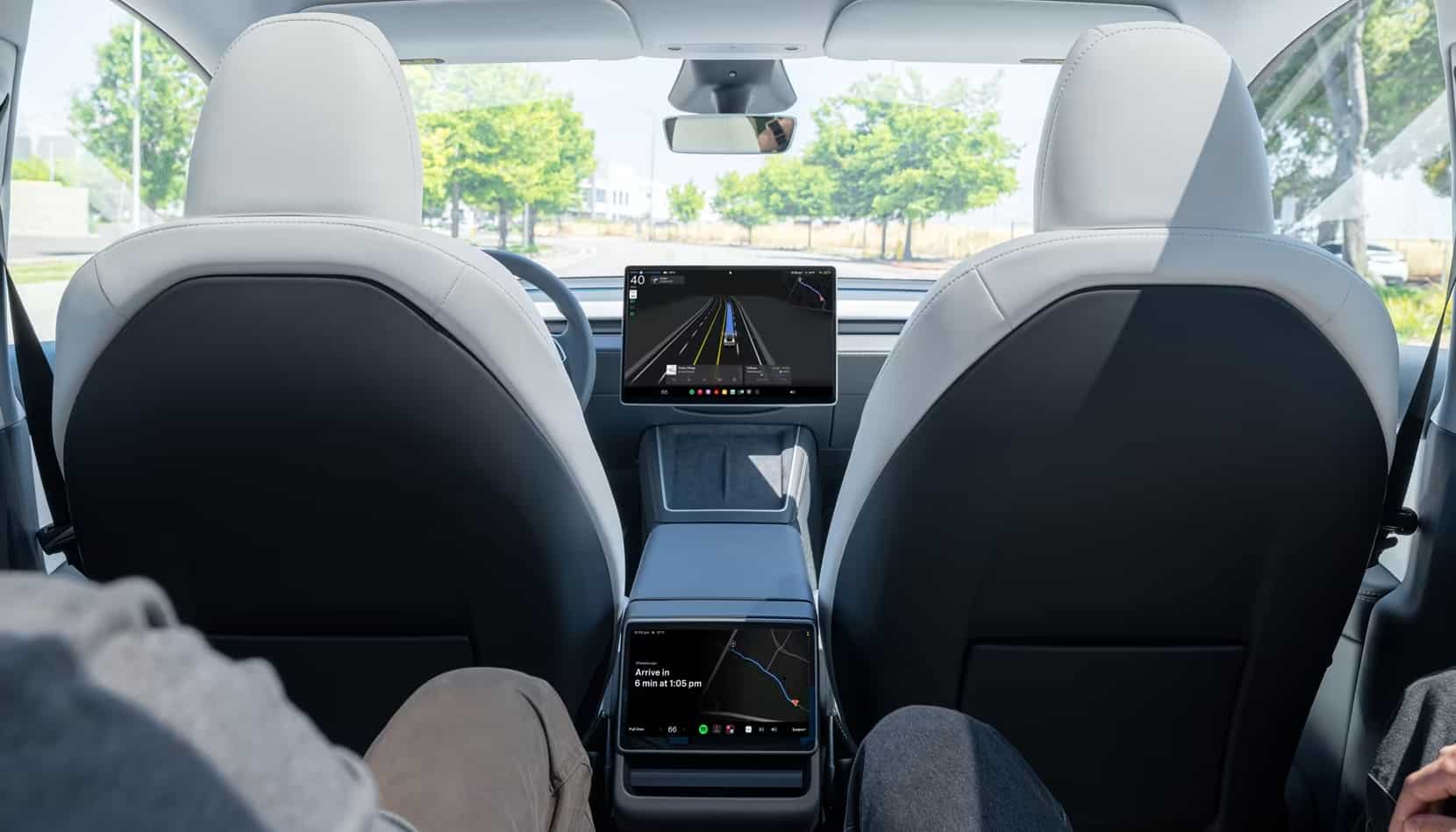
In a bold move to revolutionize urban transportation, Tesla is expanding its Robotaxi platform beyond its current strongholds in Austin and the California Bay Area. The electric vehicle giant has set its sights on five new cities: Houston, Dallas, Miami, Las Vegas, and Phoenix. This strategic expansion not only seeks to broaden Tesla’s geographic footprint but also underscores a pivotal evolution in how urban mobility could be reshaped worldwide with driverless technology at the helm.
The Speed Factor: A Key to Success
According to Mark Delaney, an analyst with Goldman Sachs, the successful deployment of Tesla’s Robotaxi service heavily leans on one critical factor: speed. The pace at which Tesla can roll out its driverless operations could very well determine the company’s competitive edge against rivals. Tesla has long advertised its superior software and hardware capabilities; proving the ability to scale these operations faster than anyone else could solidify its leadership in autonomous driving.
Why Speed Matters:
- Competitive Advantage: Faster deployment means quicker adaptation to market demands and ahead-of-the-curve technological advancement.
- User Adoption: Rapid expansion into multiple markets encourages consumer adoption, hastening Tesla’s establishment as a leader in the ride-sharing industry.
- Profitability: By swiftly initiating rides across more locations, Tesla can accelerate monetization prospects, capitalizing on increased access and usage.
Unlocking Profitability: The Road Ahead
Profitability from Tesla’s Robotaxi fleet doesn’t merely come from scaling operations but from the strategic and efficient execution of these expansions. As driverless rides become accessible to more consumers in various locales, Tesla’s potential for revenue grows exponentially.
Tesla’s Innovations and Testing in Austin
A significant leap forward has been Tesla’s initiation of driverless ride testing in Austin—an advanced model city for its autonomous service. This milestone indicates Tesla’s capability and readiness to delve into entirely unsupervised rides, a goal CEO Elon Musk fervently pursues. Musk’s vision includes the removal of Safety Monitors, who have thus far been vital players in ensuring the rides’ safety. Their potential removal marks a defining moment towards complete autonomy.
Current Testing Status in Austin:
- Driverless Rides Initiated: Two Model Y units have recently been spotted navigating without any occupants, representing a critical phase of testing.
- Safety Protocols Evolving: While Safety Monitors have been a core part of these trials, Tesla is moving toward unsupervised operations to enhance automation.
Goldman Sachs’ Perspective: A Balanced Outlook
Despite the optimistic trajectory of Tesla’s advancements, Goldman Sachs has maintained a ‘Neutral’ rating on the company. This stance reflects a measured view of Tesla’s progress with its autonomous technology. While significant strides have been made, the road to complete deployment and substantial profitability is fraught with potential challenges that Tesla must navigate.
The Future of Urban Mobility
Tesla’s expanding Robotaxi program represents more than just a business move; it signals a transformation in urban transportation, promising reduced traffic congestion and environmentally friendly alternatives to conventional rides. However, achieving this ambitious vision will require a deft orchestration of technology, market strategy, and regulatory compliance.