The Battle of Titans: Tesla vs. Waymo in the Autonomous Driving Arena
Key Takeaways
- Elon Musk stated that Waymo “never really had a chance” against Tesla in the autonomous driving race.
- Tesla currently has a Safety Monitor system operational in Texas, but plans to eliminate it by year’s end.
- Waymo is focusing its services on larger urban areas while Tesla aims to expand to all locations globally.
- Tesla uses a vision-only approach for self-driving, contrasting with Waymo’s multi-sensor method, including LiDAR.
- Musk emphasized that Tesla could swiftly activate Robotaxi services across its entire fleet with a simple update.
- Jeff Dean pointed out Waymo’s superior autonomous miles, highlighting a difference in safety data between the two companies.
In the ever-evolving world of autonomous driving, electric vehicle giant Tesla and technological powerhouse Waymo are battling it out to dominate the roads. Elon Musk, Tesla’s dynamic CEO, recently stirred the pot by asserting that Waymo “never really had a chance” against Tesla. This statement adds fuel to an already heated debate about who leads the future of driverless technology.
A Vision of the Road Ahead
Elon Musk’s audacious claims on social media platforms are nothing new. Still, his recent remarks have brought renewed focus to the differences between Tesla’s and Waymo’s strategies and technologies.
Self-Driving Strategies: Vision vs. Sensors
Tesla and Waymo’s approaches to autonomous driving couldn’t be more different. Tesla champions a vision-only approach, relying on cameras and neural networks to guide their vehicles. Elon Musk has been vocal about his skepticism of LiDAR technology, which he once labeled a “fool’s errand.” Tesla’s reliance on advanced software aims to mimic the visual processing capabilities of the human brain.
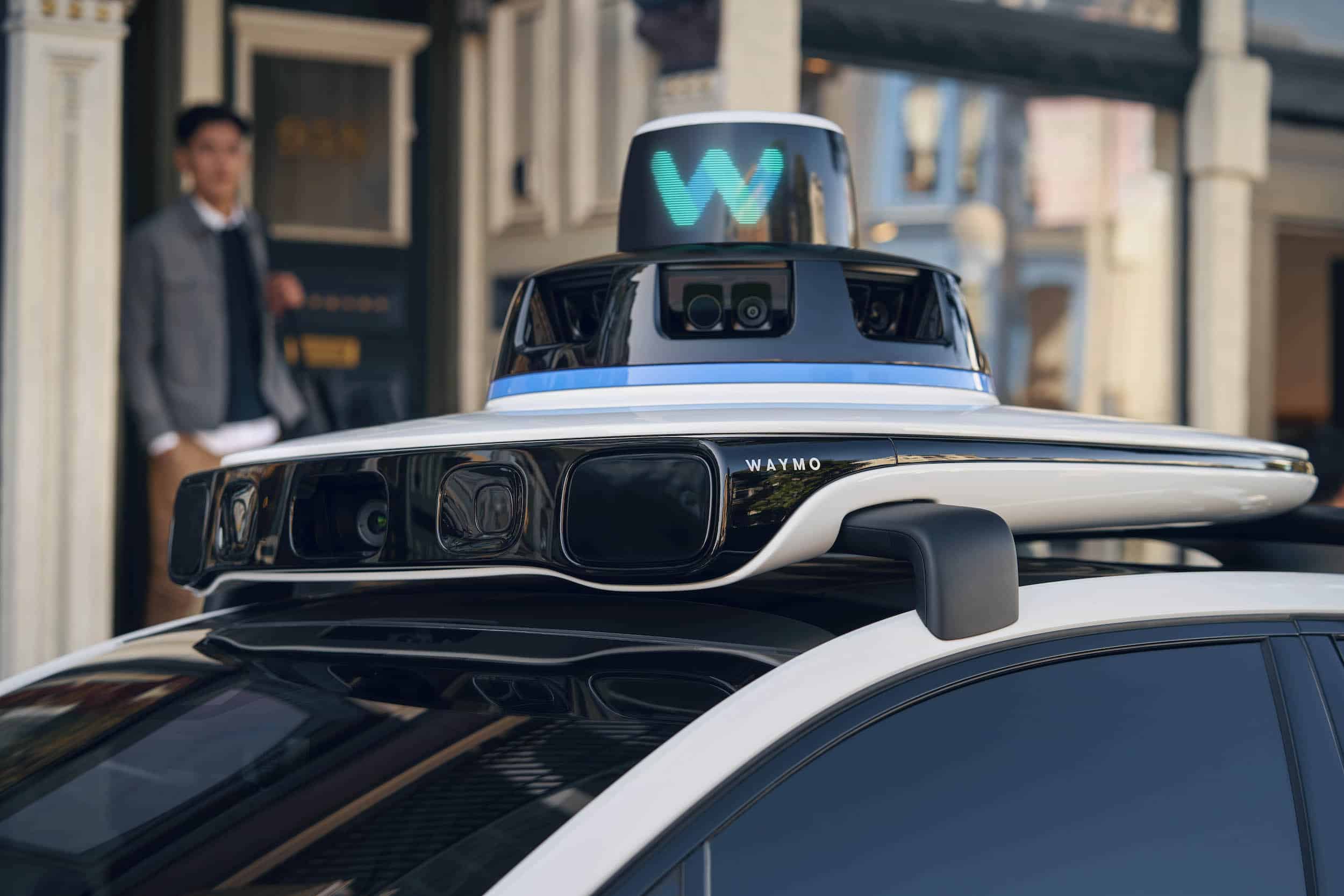
On the other hand, Waymo leans into a multi-sensor method, employing a mix of LiDAR, radar, and cameras. This technology stack allows for detailed 3D mapping and extensive sensing capabilities in complex environments. While some see Tesla’s approach as visionary, others argue that Waymo’s reliance on varied data inputs offers a more reliable safety net.
Milestones in the Miles: Comparing Data
Autonomous miles are a critical metric in gauging the real-world application and safety of self-driving technologies. Jeff Dean, Google DeepMind’s Chief Scientist, highlighted that Waymo has reached an impressive 96 million autonomous miles to date. This starkly contrasts with Tesla’s more conservative approach, focusing on data collection through extensive active users rather than traditional field tests.
The Global Play: Expansion Plans
In terms of infrastructure, Waymo is currently focused on perfecting its services in large cities. This urban-first strategy allows them to implement and refine their systems in high-demand areas. Conversely, Tesla aims for a global rollout, planning to expand its self-driving capabilities to every model worldwide. Tesla’s ambition to disable Safety Monitors in its Austin, Texas, operation by the year’s end exemplifies its commitment to becoming fully autonomous.
The Robotaxi Revolution
Tesla’s future vision includes the activation of a widespread Robotaxi network, achievable through a simple Over-the-Air update. This could potentially turn every Tesla vehicle into a revenue-generating, autonomous taxi. Meanwhile, Waymo continues its measured approach, focusing on optimizing its fleet of commissioned Robotaxis.
The Road to Autonomous Future
With both companies fighting for dominance, consumers and industry stakeholders eagerly await the next developments in the autonomous driving race. As Tesla and Waymo continue to refine their technologies, the ultimate winner remains uncertain, but the journey promises to reshape transportation as we know it.