Pioneering Reusability: SpaceX’s Falcon 9 and the Future of Space Travel
Key Takeaways
- Elon Musk celebrated SpaceX’s Falcon 9 booster B1071 completing its 30th flight after the successful Transporter-15 mission.
- The Falcon 9 booster landed on a droneship at sea, demonstrating SpaceX’s advanced reusability.
- The Transporter-15 mission successfully deployed 140 spacecraft, marking another significant achievement for SpaceX’s Smallsat Rideshare program.
- Critics of reusability, like Ben Goldberg, previously questioned the feasibility and cost-effectiveness of reusable rockets, referencing historical challenges.
- Some industry veterans expressed skepticism about the potential for significant cost reductions through rockets like those employed by SpaceX.
Space exploration has always been at the frontier of technological advancement, challenging human ingenuity and perseverance. Recently, SpaceX’s achievements have amplified this spirit, especially with the Falcon 9 booster B1071 completing an impressive 30 flights. Celebrated by Elon Musk, this milestone not only emphasizes SpaceX’s innovation but also signifies a breakthrough in the economics of space travel, particularly in the realm of reusability.
Celebrating a Milestone: Falcon 9 Boosts to New Heights
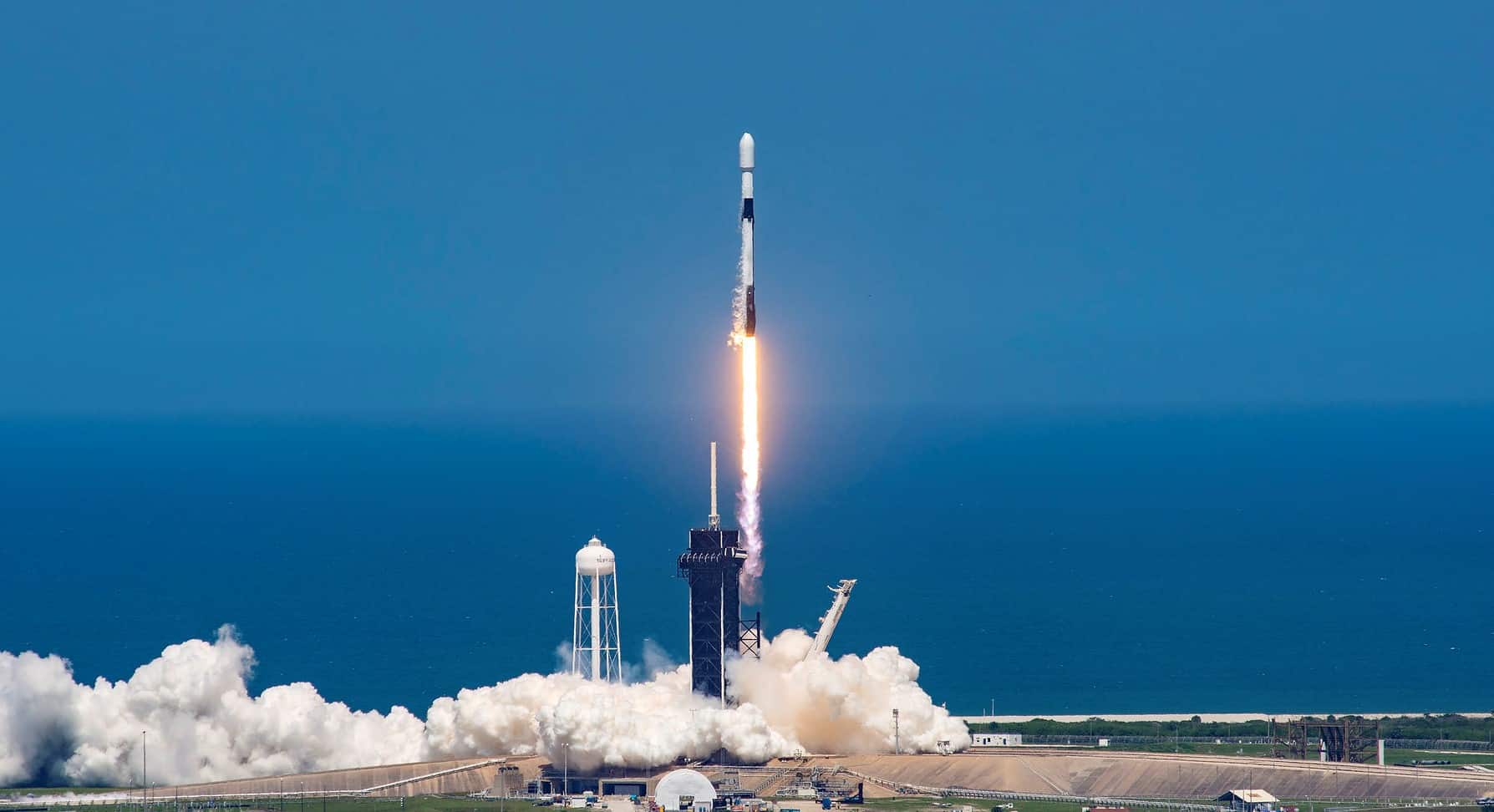
The indomitable Falcon 9 booster B1071 reached a breathtaking milestone as it completed its 30th flight following the successful Transporter-15 mission. The Transporter-15 mission, pivotal in augmenting SpaceX’s Smallsat Rideshare program, flawlessly deployed 140 spacecraft, exemplifying the targeted precision and reliability of SpaceX’s launches.
SpaceX’s Reusability Revolution
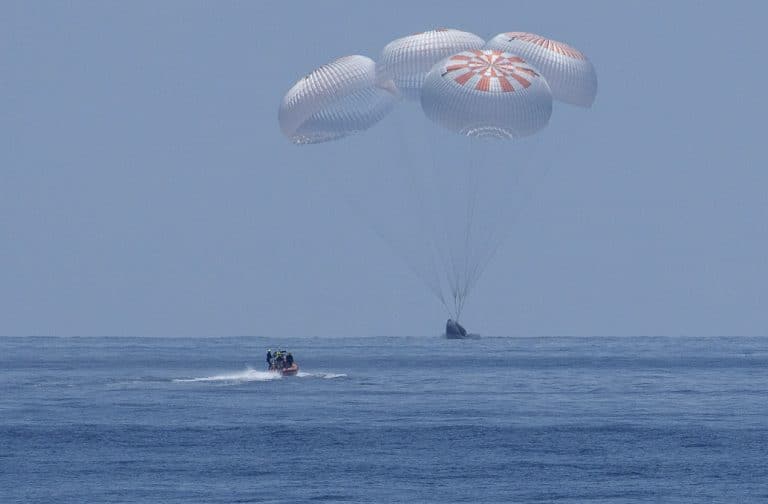
A significant feature of the Transporter-15 mission was the seamless landing of the Falcon 9 booster on a droneship in the ocean. This capability underscores the advanced reusability of SpaceX rockets. Reusability in rockets has been a long-standing challenge in the aerospace industry, primarily due to cost and engineering hurdles. However, SpaceX’s methodologies have transformed what was once a seemingly insurmountable task into a standardized procedure.
Challenges and Criticisms of Reusable Rockets
Historical Skepticism
The concept of reusability in rockets has not been without its skeptics. Industry veterans and critics like Ben Goldberg have questioned the feasibility and economic viability of reusable rockets. Goldberg highlighted historical precedents like the space shuttle program, which failed to achieve the anticipated cost savings, as a cautionary tale. Critics also noted that studies generally projected only a modest cost reduction for low-Earth orbit missions.
Addressing the Doubts
Despite these criticisms, SpaceX’s continuous achievements suggest that the trajectory of reusable rocket technology might not only meet but potentially exceed past predictions of economic efficiency. Musk’s acknowledgment of these feats on social media, including the historical 30th flight, is a testament to the tangible benefits reusability can yield when approached with cutting-edge innovation.
Looking Ahead: The Future of Space Travel
The successes of Falcon 9 and the Transporter Missions have profound implications for the broader landscape of space exploration. As SpaceX continues to evolve its technology, new possibilities emerge. Reduced launch costs can spur a proliferation of commercial satellites, expand scientific research opportunities, and potentially accelerate human exploration of moon and Mars.
Key Takeaways and Insights
- Reduction in Costs: By improving reusability, SpaceX hints at the possibility of slashing costs, making space more accessible.
- Increased Reliability: With each successful droneship landing, SpaceX solidifies its reliability, enticing potential partners looking to deploy payloads affordably.
- Heights of Innovation: The continuous improvement in the capability of reusable rockets pushes the envelope on what is feasible in aerospace engineering.
The Road Ahead
SpaceX’s achievements, embodied in Falcon 9’s recent exploits, are a beacon of innovation and perseverance. With SpaceX setting the pace, how will other players in the space industry adapt and evolve? Whether it’s the challenges of skepticism or the joys of monumental achievements, the journey is just beginning, and it promises to redefine space exploration as we know it.