Tesla’s Project Oasis: A New Era in Electric Vehicle Charging
Key Takeaways
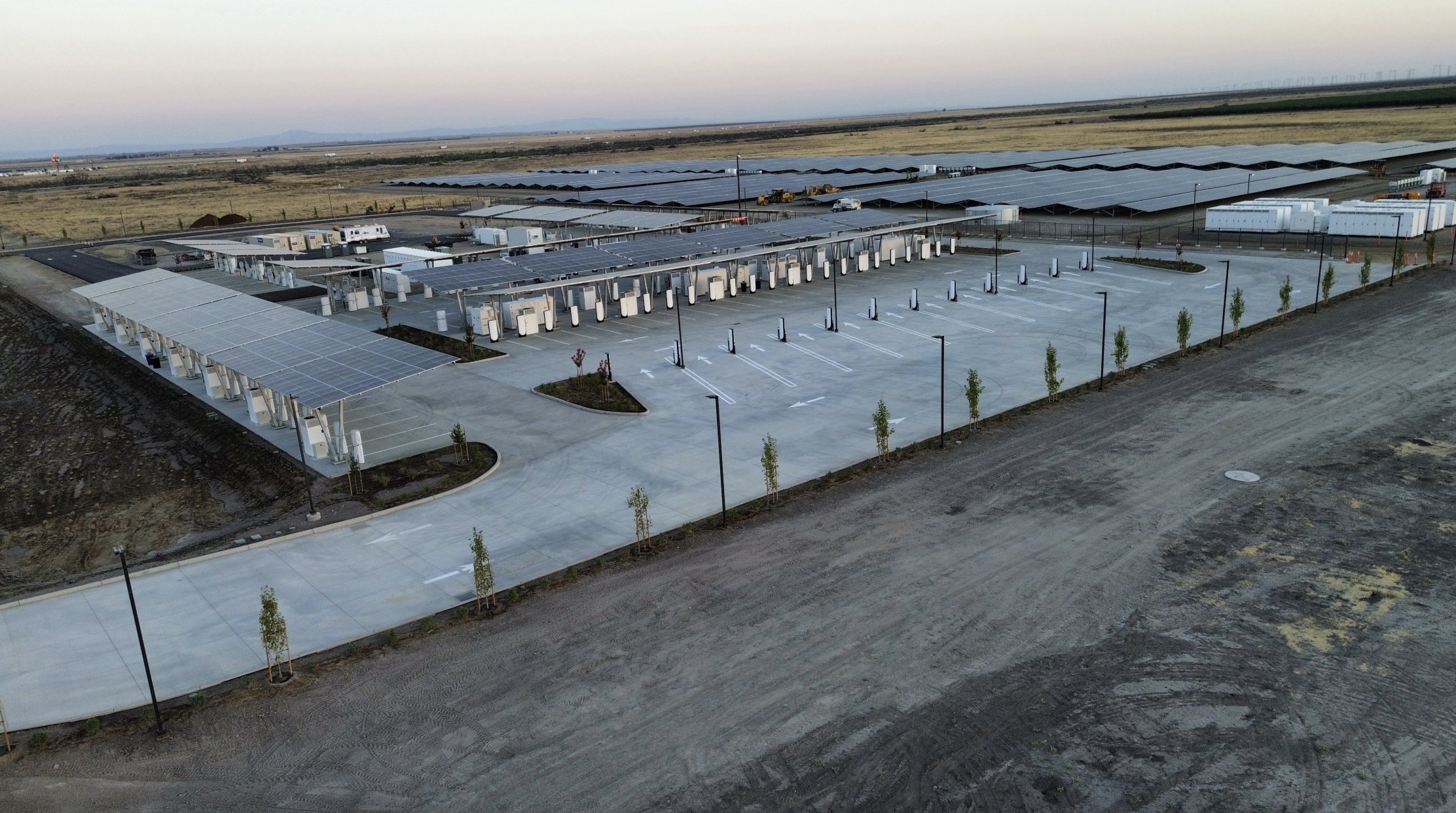
- Tesla’s largest Supercharger, Project Oasis, opens in Lost Hills, California, with 168 stalls operational.
- The Supercharger is powered by 10 Megapack batteries and 11 MW of solar panels, making it grid-independent.
- It opens in time for the Thanksgiving holiday, a peak travel weekend in the U.S.
- The site generates approximately 20 GWh of energy annually, sufficient to power around 1,700 homes.
- Features include pull-through stalls for towing vehicles, catering to Cybertruck owners and enhancing usability.
- Tesla aims to expand its Supercharger network, focusing on more rural locations for better cross-country availability.
- Unique experiences at Supercharger locations, including the Tesla Diner with drive-in theaters, enhance the charging experience.
In the world of electric vehicles (EVs), one of the most talked-about developments is the recent launch of Tesla’s largest Supercharger station—Project Oasis—in Lost Hills, California. With 168 operational stalls, this Supercharger sets a new benchmark for the industry. Let’s delve into the details and explore the features and implications of this massive project.
A Game-Changing Supercharger
Tesla’s Project Oasis is not just another charging station; it represents a significant leap forward in the EV charging ecosystem. Here are some of the innovative features and noteworthy aspects:
Unparalleled Capacity and Renewable Energy
- Grid Independence: Project Oasis is powered by 10 Megapack batteries and a solar array producing 11 MW of energy. This setup allows the site to operate independently of the power grid, a crucial step towards sustainable energy solutions.
- High Energy Output: The station generates approximately 20 GWh of energy annually, which is enough to power around 1,700 homes. This capability sets a standard for future charging stations aiming to significantly contribute to energy sustainability.
User-Friendly Features
- Designed for Flexibility: The Lost Hills Supercharger features pull-through stalls, a design that accommodates vehicles towing trailers, such as the Tesla Cybertruck. This innovation enhances user convenience and reflects Tesla’s commitment to cater to diverse customer needs.
Strategic Expansion and Impact
Tesla’s ambition to expand its Supercharger network is evident in the strategic placement of Project Oasis. Positioned in a rural area, it addresses the need for charging facilities in less populated regions, thus facilitating cross-country travel.
Expansion into Rural Areas
- Enhancing Accessibility: By focusing on rural locations, Tesla aims to mitigate the “range anxiety” often experienced by EV owners. This move is critical as it opens up EV travel to a broader audience and encourages the adoption of electric vehicles.
- Future Network Plans: With over 70,000 active Superchargers globally, Tesla’s ongoing expansion plans suggest a future where charging stations are even more accessible, supporting the increasing number of EVs on the road.
Enhancing the Charging Experience
Tesla has not only focused on the functional aspects of Project Oasis but also on creating memorable experiences for its users.
The Tesla Diner and More
- Unique Engagements: Inspired by nostalgic drive-in theaters, the Tesla Diner located at some of the stops offers a unique, engaging experience for users waiting on their vehicles to charge.
- Community and Convenience: Initiatives like these not only make the waiting time enjoyable but also help build a community of Tesla owners, enriching the brand experience and fostering customer loyalty.
Tesla’s Project Oasis does more than just charge cars; it represents a paradigm shift in how we view EV infrastructure. With its renewable energy integration, user-friendly layout, strategic location choices, and added amenities, it paves the way for a future where EVs are not only viable but convenient and enjoyable.