Tesla’s Optimus: A New Era of Robotic Dexterity and Versatility
Key Takeaways
- Tesla’s Optimus humanoid robot can now perform tasks like folding laundry and wiping tables.
- Achieving human-like dexterity is a primary goal for Optimus as it was designed to handle delicate tasks.
- Robyn Denholm highlighted the tactile nature of Optimus’ hands, allowing for interactions like shaking hands.
- Elon Musk emphasized the potential of Optimus in surgical applications, aiming for a future of sustainable abundance.
- Optimus is currently operational at Tesla’s Palo Alto offices, showcasing its versatility in robotics.
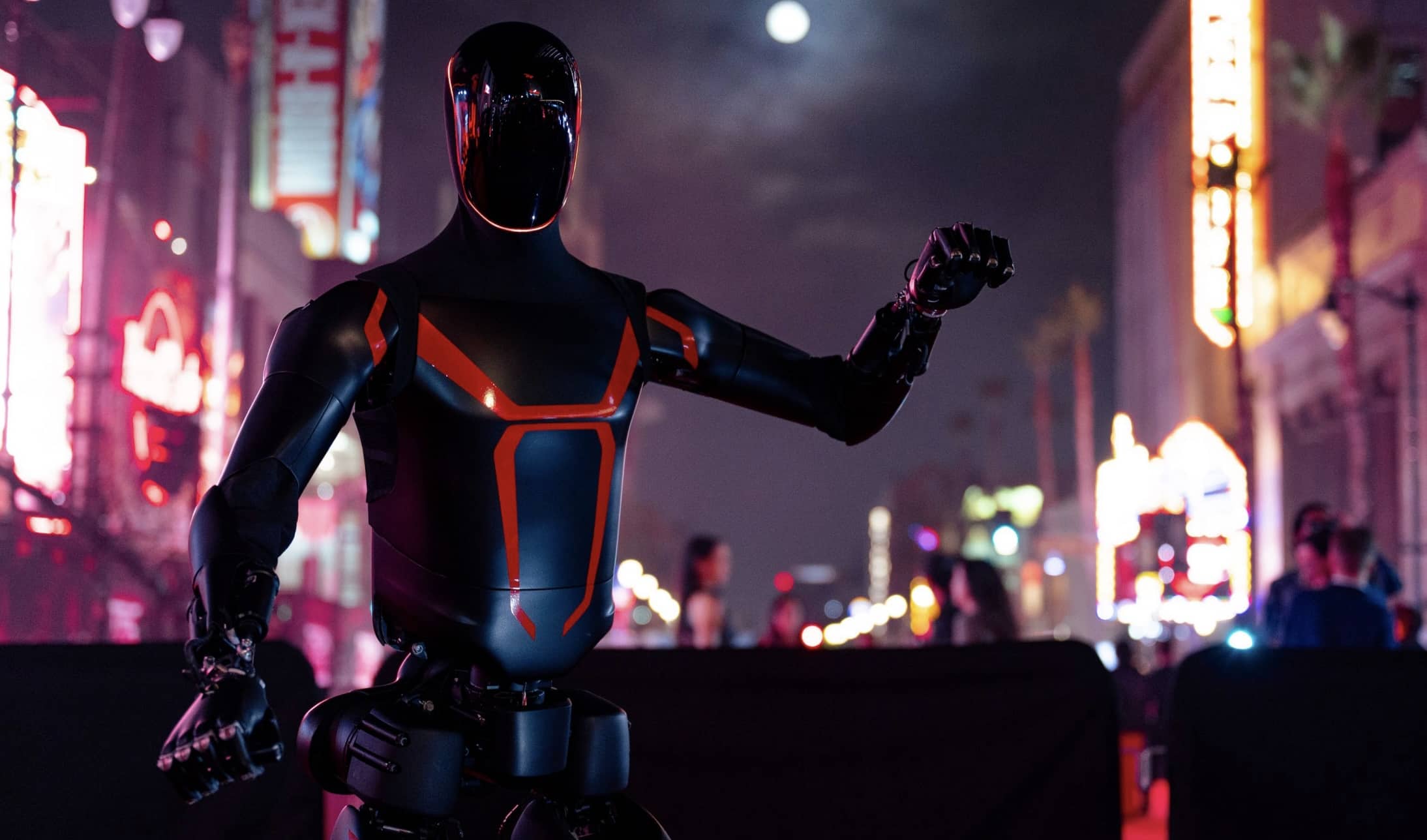
The world of robotics is advancing at a pace faster than anticipated, with Tesla’s Optimus humanoid robot leading the charge. Recently, significant updates have been shared about this remarkable piece of technology, showcasing its growing capabilities and the futuristic possibilities it holds. From performing simple household tasks to the potential of conducting surgeries, Optimus is redefining the boundaries of robotics and AI.
The Current Capabilities of Optimus
Tesla’s Optimus is already proving itself to be more than just a conceptual prototype. Current Tasks:
- Folding Laundry: While this might seem mundane, the ability to fold laundry with precision is a complex task requiring significant dexterity, something that differentiates it from many existing robots.
- Wiping Tables: Ensuring cleanliness, Optimus can efficiently wipe down surfaces.
- Human Interaction: Beyond just execution of tasks, Optimus can hand items to people and even engage in handshakes, mimicking human-like interactions.
These capabilities mark significant strides in the development of a robot that can operate in human-centric environments seamlessly.
Achieving Human-like Dexterity
One of the standout features of Optimus is its dexterity. As noted by Tesla Board Chair Robyn Denholm, the robot’s hands are incredibly tactile. But what exactly goes into achieving such sophisticated movement?
Key Components of Dexterity:
- Advanced Sensors: To mimic the touch sensitivity of human hands, Optimus is equipped with a myriad of sensors to detect texture and pressure.
- Precision Engineering: The movements are designed to emulate human fingers, providing it the ability to grasp and manipulate a variety of objects.
- AI Integration: The algorithms powering Optimus ensure that it learns from every interaction, refining its movements with each task performed.
The result is a robot capable of executing delicate operations, which hints at a vastly expanded potential.
Future Potential: Surgery and Beyond
The aspirations for Optimus extend far beyond household chores. In a discussion during Tesla’s Q3 2025 earnings call, Elon Musk shed light on its future:
Surgical Applications: Musk envisions Optimus as a pivotal player in medical fields, specifically in surgeries. The robot’s incredible dexterity could enable it to perform surgical procedures with a precision unattainable by the human hand. This innovation could revolutionize healthcare, making high-quality surgical interventions globally accessible.
The Goal of Sustainable Abundance
Tesla’s overarching mission is to drive the world towards sustainable abundance, and Optimus plays a crucial role in this vision. By automating complex tasks, the robot could drastically reduce labor shortages, improve efficiency across sectors, and enhance quality of life globally.
Tesla’s Optimus embodies the ideal of futuristic AI and robotics, bridging the gap between science fiction and modern-day technology. As Optimus continues to evolve, it promises not only to change the way we perceive robotics but also to redefine potential roles they can fulfill in society.