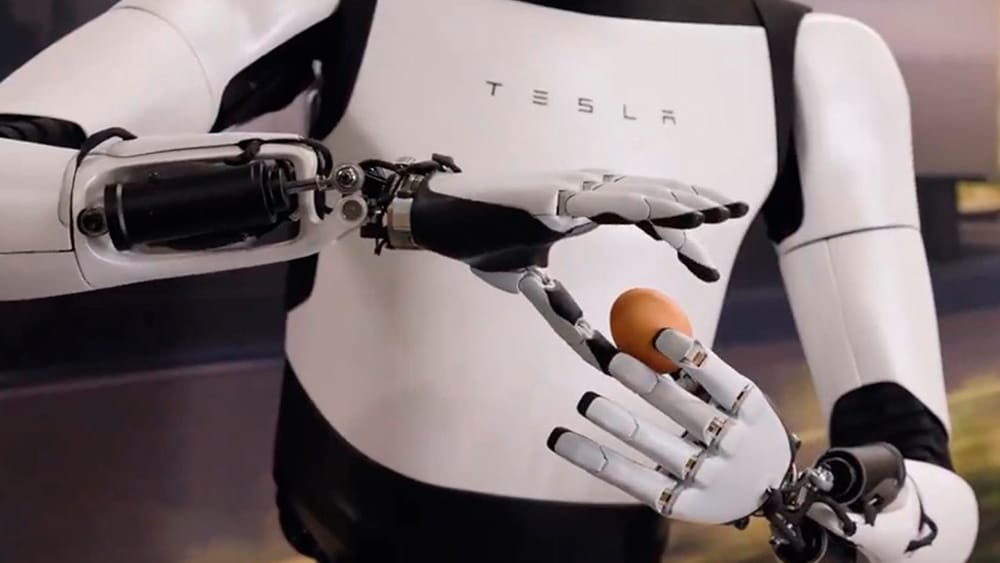
Tesla’s Optimus Bot: On the Brink of a Robotic Revolution
Key Takeaways
- Tesla is facing engineering challenges with the hand, fingers, and forearm of the Optimus bot.
- Elon Musk stated the company is “on the cusp” of a major breakthrough with the Optimus project.
- Musk emphasized the complexity of designing a human-like hand, underscoring the need for dexterity and various muscle strengths.
- The Optimus project has made significant strides, including learning Kung Fu and serving tasks.
- Marc Benioff showcased a Gen 2.5 version of Optimus using mannequin hands as a temporary solution.
- Musk described the hand and forearm engineering as more challenging than the rest of the robot combined.
Engineering marvels often face challenges, and Tesla’s ambitious Optimus project is no exception. As the world eagerly watches, Tesla is navigating significant hurdles in developing the robot’s hand and forearm. CEO Elon Musk’s recent comments have ignited discussions about the complexities and promises of their human-like robot. This blog post delves into these engineering challenges, the strides made, and why each step is crucial for robotics and Tesla’s future.
The Engineering Hurdles of Optimus
The journey of creating the Optimus bot has been fraught with fascinating challenges, particularly in replicating the human hand.
The Complexity of Human Anatomy
Elon Musk has pointed out the intricate design of the human hand as one of nature’s most remarkable engineering feats. The dexterity offered by our fingers and the range of motion enabled by our muscles are essential for a wide variety of tasks. For Optimus, replicating this complexity is paramount. Here’s why creating a robotic hand with human-like capabilities is such a formidable task:
- Degrees of Freedom: Human hands have multiple joints and flexible muscles that allow fine motor skills.
- Muscle Mechanics: The interplay between different muscle groups in our forearm and hand provide the strength and precision necessary for complex maneuvers.
- Sensory Integration: The human hand works in tandem with sensory inputs to adjust grip, strength, and movements instinctively.
Engineering Obstacle Course
Despite these challenges, Elon Musk has expressed optimism, indicating Tesla is “on the cusp of something really tremendous.” This isn’t without a considerable amount of trial and error, especially when attempting to create a practical design that offers both functionality and aesthetic appeal.
Strides in the Optimus Project
The project has not remained static. Tesla has made several advancements that signal a promising outlook for Optimus.
Key Developments
- Motor Skills and Mobility: The robot has achieved capabilities like walking downhill and learning Kung Fu, showing remarkable advances in balance and automated learning techniques.
- Real-World Applications: Optimus is already capable of performing service tasks, such as serving food and drinks. This highlights the robot’s potential value in hospitality and retail.
- Temporary Solutions: While Tesla grapples with perfecting the hand, they are utilizing mannequin hands for current models, a pragmatic approach underscored by Marc Benioff’s presentation of a Gen 2.5 version.
The Importance of a Human-Like Hand
For Tesla, having a robotic hand that mirrors human capability is critical. Here’s why:
- Versatility: A human-like hand would enable Optimus to perform an extensive range of tasks that require precision and a gentle touch, from basic service jobs to advanced manufacturing processes.
- Consumer Acceptance: To be accepted in everyday environments, Optimus must perform seamlessly and intuitively in human-designed spaces, a task best achieved with human-like interaction abilities.
- Competitive Edge: In a future teeming with robots, the ones that can perform human tasks with finesse will stand out, positioning Tesla at the forefront of the robotics revolution.
Looking Ahead: The Future of Optimus
The hurdles are significant, but so are the steps forward. Tesla’s commitment to developing a sophisticated human-like robot underscores their vision of a future where autonomous robots can not only perform routine tasks but also seamlessly integrate into human settings.