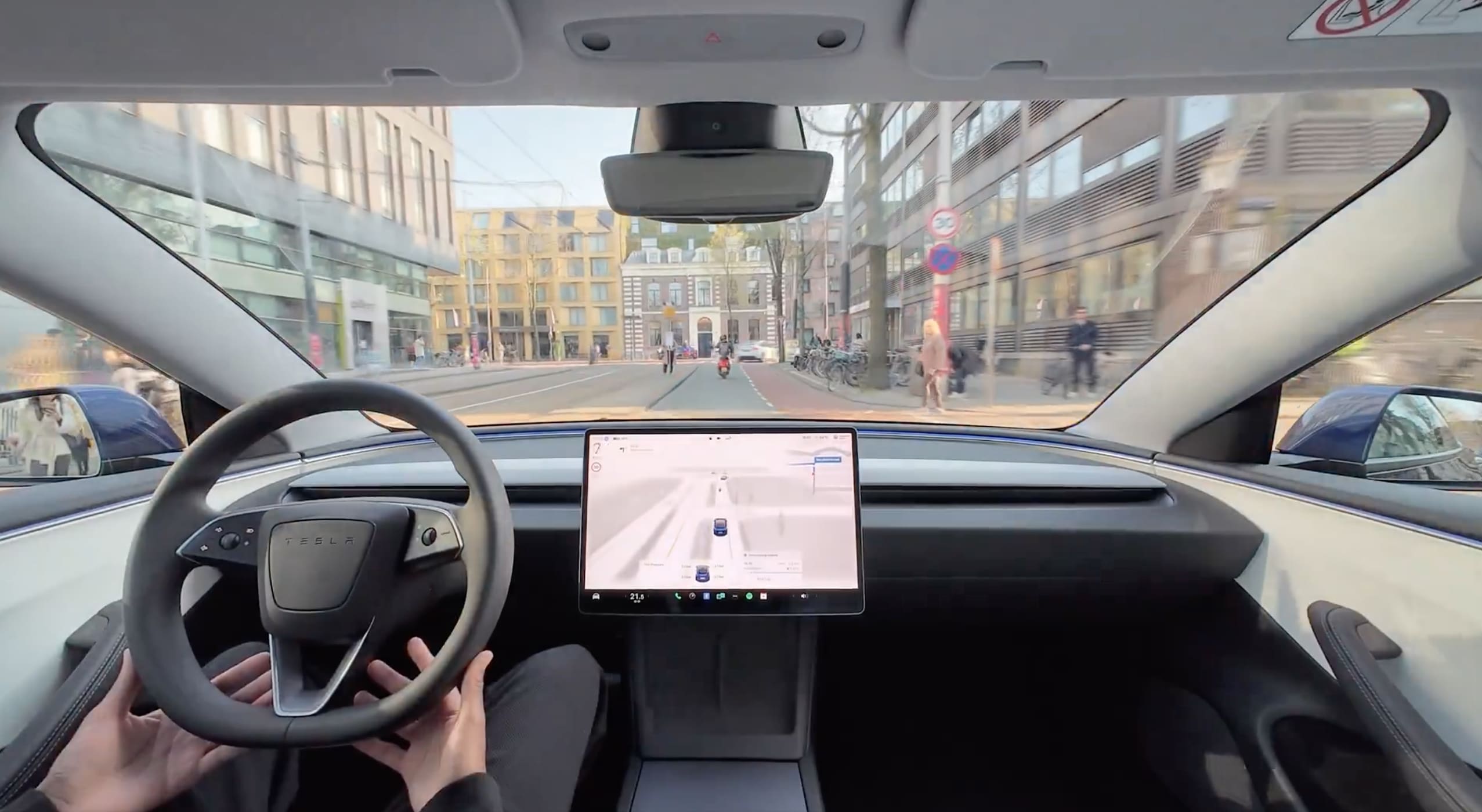
Tesla’s Full Self-Driving V14: A Game Changer in Autonomous Driving
Key Takeaways
- Tesla’s new Full Self-Driving version v14 is expanding to a wider audience outside the Early Access Program (EAP).
- The v14 update addressed previous issues like brake stutter and is now more stable.
- New features in v14 include the introduction of the Mad Max Speed Profile, garnering attention from users.
- The rollout now includes Model S and Model X, not just Model 3 and Model Y.
- The rollout is currently missing support for the Cybertruck, with no confirmed timeline for its release.
Tesla’s Full Self-Driving (FSD) technology has long been a topic of interest among automotive enthusiasts and tech-savvy individuals alike. With the recent wider rollout of version 14, Tesla is once again pushing the boundaries of what’s possible in autonomous driving. This blog post delves into the exciting updates introduced with v14, addresses known issues, and discusses the future prospects of this innovation, particularly concerning Tesla’s much-anticipated Cybertruck.
Breaking Down the Latest V14 Rollout
A Broader Audience Beyond Early Access
The first significant step Tesla has taken with v14 is its expansion beyond the Early Access Program (EAP). This transition indicates the company’s confidence that v14 is ready for a larger audience, thanks to substantial enhancements and rigorous testing during the EAP phase. Prior to this general release, EAP members served as pioneers, identifying faults and potential improvements to refine the technology.
Key Improvements and Features
- Stability Enhancements:
- One of the critical updates in v14 is the resolution of previous issues, such as the notorious brake stutter, which has been mostly corrected. This improvement reflects Tesla’s commitment to optimizing the driving experience and ensuring safety and comfort.
- Mad Max Speed Profile:
- Perhaps the most talked-about feature in v14 is the “Mad Max Speed Profile.” As the name suggests, this feature offers an option for more assertive driving styles on highways, potentially enhancing lane-change decisions and overtaking maneuvers. It stands out as a clear favorite among those seeking a more dynamic driving experience.
- Extended Vehicle Compatibility:
- Initially limited to Model 3 and Model Y, Tesla’s FSD v14 now extends its reach to Model S and Model X vehicles. This inclusivity not only broadens the user base but also demonstrates the software’s versatility across different vehicle frameworks.
Challenges and Future Prospects
Missing Cybertruck Support
An area of concern for many Tesla enthusiasts is the absence of v14 support for the Cybertruck. While there was anticipation for its inclusion by the end of the month, no confirmed date has been provided. Cybertruck’s unique architecture may pose additional challenges that Tesla is actively addressing for future updates.
The Road Ahead: Questions and Speculations
Tesla’s FSD and its recent enhancements stir up several pertinent queries:
- What New Features Does Tesla’s V14 Full Self-Driving Include?
- Beyond the Mad Max Speed Profile and braking improvements, Tesla continues to introduce nuanced features that enhance driver safety and automate driving tasks more efficiently.
- Are There Any Known Issues With Tesla’s V14 Rollout?
- While v14 is notably more stable, user feedback continues to be crucial for recognizing lingering issues that need attention in subsequent iterations.
- When Can Cybertruck Owners Expect the V14 Update?
- With no clear timeline, Cybertruck owners are eagerly awaiting updates. Ensuring compatibility while maintaining the truck’s distinctive performance characteristics remains a challenge Tesla seems ready to meet.
A Leap Towards Autonomous Future
Tesla’s v14 represents a significant stride in the journey toward fully autonomous vehicles. By resolving key issues, introducing innovative features, and broadening vehicular compatibility, Tesla is steadily edging closer to delivering on the promise of self-driving cars. As with any pioneering technology, there are hurdles to overcome, but Tesla’s proactive approach keeps them on track towards a future where autonomous vehicles are the norm rather than the exception.