Tesla’s Mad Max Mode: The Future of Autonomous Driving with Speed and Precision
Key Takeaways
- Mad Max mode allows higher speeds and more frequent lane changes than previous versions.
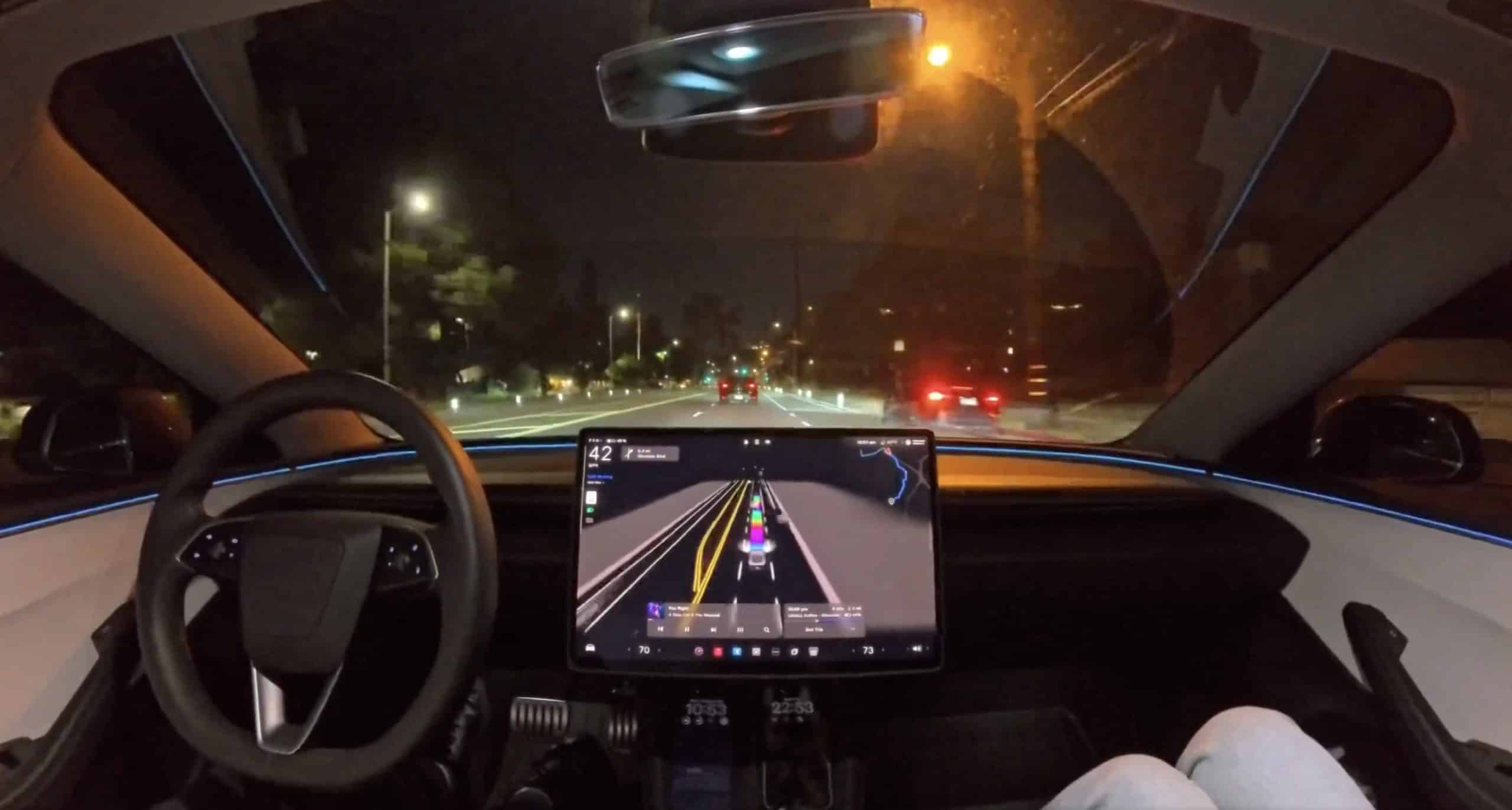
- First tests were conducted at night, showing its real-world applicability.
- Tesla owners are praising the mode for its assertive yet cautious driving style.
- Notable tester @BLKMDL3 found it perfect for LA traffic after multiple drives.
- Other user Sawyer Merritt reported smoother acceleration and confidence in heavy traffic.
- Ashok Elluswamy emphasizes that Mad Max mode aims to alleviate congested daytime driving challenges.
Tesla’s innovative Mad Max mode for Full Self-Driving (FSD) is capturing the automotive world’s attention with its assertive driving style. From enhanced lane-changing capabilities to impressively efficient traffic navigation, this new feature is setting a precedent for future autonomy in vehicles. In this blog post, we delve into the cutting-edge facets of Tesla’s Mad Max mode, analyzing user experiences and its potential implications for the broader landscape of autonomous driving.
What Makes Mad Max Mode Stand Out?
Mad Max mode is built on the foundations of speed and frequency, allowing Tesla vehicles to navigate with more agility than previous iterations. This feature is particularly highlighted in urban settings, where quick reflexes can drastically improve traffic flow.
Key Features
- Increased Speed: Mad Max mode is configured to allow for higher velocities, making the vehicle responsive to fast-paced road environments.
- Frequent Lane Changes: Enhancing the vehicle’s capacity to adapt to road conditions, Mad Max mode optimizes lane-changing frequency to balance between caution and assertiveness.
Testing the Waters: First Impressions of Mad Max Mode
The initial tests of Mad Max mode were conducted at night, offering a glimpse into its performance under real-world conditions. Despite the obscurity of nighttime driving, users have been quick to point out the mode’s practicality.
User Experiences
- @BLKMDL3’s Review: A Tesla enthusiast and longstanding owner, @BLKMDL3 discovered that after using Mad Max mode in the busy streets of LA, it provided an exceptional balance of control and speed, deeming it “perfect for LA traffic.”
- Sawyer Merritt’s Insights: Another prominent FSD user, Sawyer Merritt, expressed satisfaction with the mode’s ability to maintain smooth acceleration even amidst heavy traffic, highlighting the mode’s confidence and safety.
Tackling Traffic Woes: A Vision from Tesla’s AI Head
In addressing the broader problem of congested traffic, Tesla AI Head Ashok Elluswamy acknowledges that Mad Max mode is engineered to combat the daily grind of stop-and-go traffic. By enabling cars to anticipate and react to traffic in real-time, this feature holds the promise of easing one of the most arduous aspects of modern driving.
Implications for the Future of Autonomous Driving
Mad Max mode represents a crucial step toward advancing Tesla’s goal of achieving fully autonomous vehicles. Here’s how:
- Enhanced Safety: The assertive yet cautious nature of Mad Max mode can significantly reduce collision risks, fostering a safer driving experience.
- Improved Traffic Flow: With better anticipation and response capabilities, this mode could potentially alleviate traffic congestion, a perennial issue plaguing urban areas.
- Consumer Trust: As users continue to praise the practicality of Mad Max mode, it contributes positively to consumer confidence in Tesla’s autonomous aspirations.
Tesla’s Mad Max mode is not merely an incremental upgrade; it is a monumental leap toward redefining autonomous driving. With its dynamic capabilities and real-world applicability, it offers a preview of what the future holds for autonomous vehicles. As more user feedback rolls in, the potential for further innovation seems boundless.