The Final Frontier: SpaceX’s Transition from Starship V2 to V3
Key Takeaways
- SpaceX is set to launch its final Starship V2 rocket on October 13, 2025, marking the transition to Starship V3.
- Liftoff for Flight 11 is at 7:15 p.m. ET from South Texas, with a 75-minute launch window available.
- The mission will test critical elements like reentry dynamics, landing configurations, and heat-shield upgrades.
- Elon Musk announced Starship V3 is currently in production, aiming for significant performance enhancements by late 2025.
- There are expectations that Starship V3 may reach Mars, with V4 potentially executing a full-scale mission to the planet.
- Flight 11 will intentionally test the spacecraft under stress by removing heat-shield tiles in vulnerable areas to study atmospheric reentry performance.
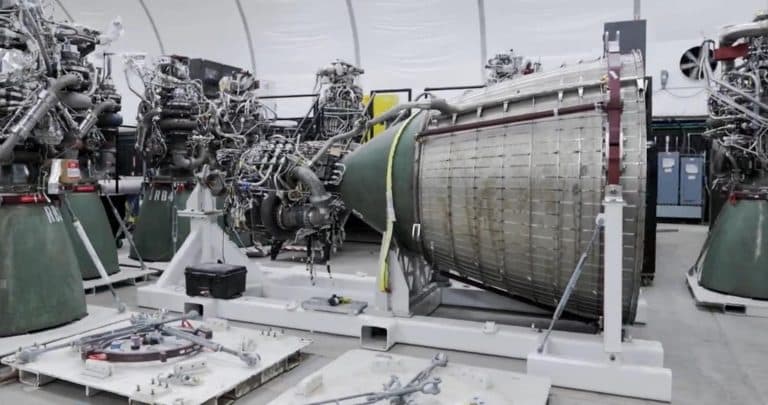
- The Super Heavy booster will adopt a new engine configuration to enhance reliability during landing.
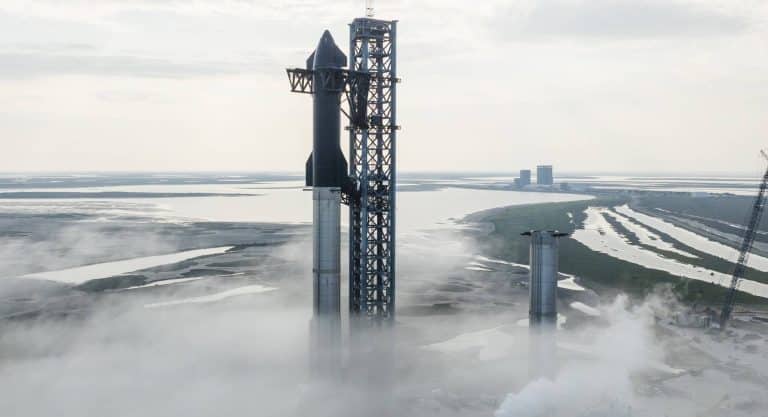
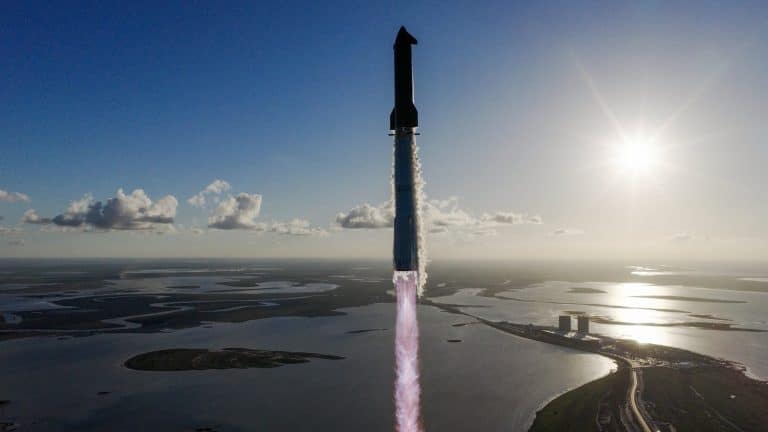
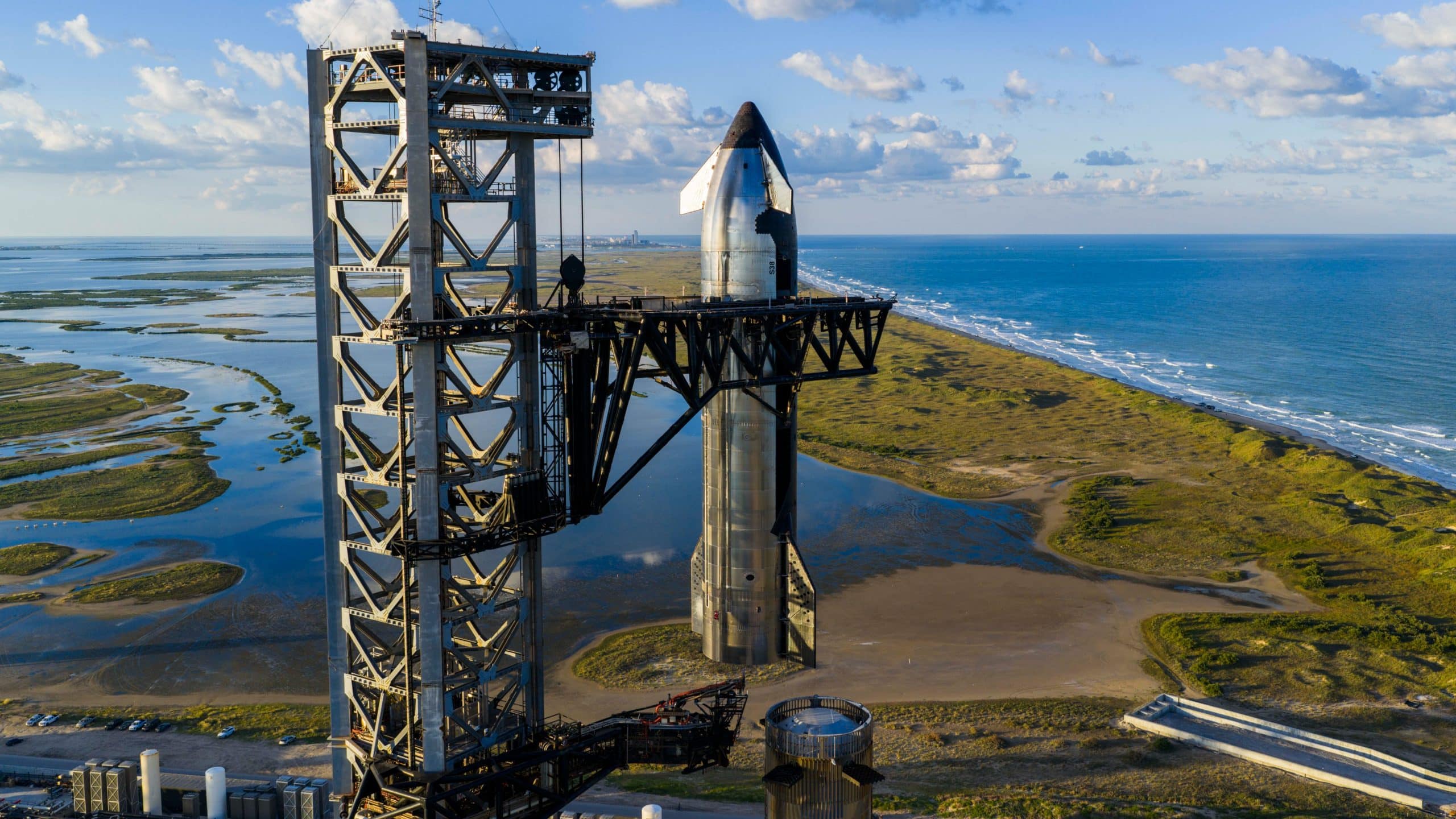
As SpaceX gears up to launch its final Starship V2 rocket on October 13, 2025, the anticipation is palpable. This launch not only signifies the closing chapter of the V2 era but also heralds the dawn of the ambitious and advanced Starship V3. This blog post delves into what makes this transition so pivotal for SpaceX and the broader space exploration community.
A Milestone Departure: The Last of Starship V2
The significance of the upcoming Flight 11 cannot be understated. Scheduled for a 7:15 p.m. ET liftoff, with a 75-minute window from Starbase in South Texas, this mission will push the boundaries of the current Starship model to the very edge.
Key Objectives of Flight 11
- Reentry Dynamics:
- The mission will test critical reentry dynamics, ensuring that future spacecraft can handle the stress of entering Earth’s atmosphere.
- Landing Configurations:
- SpaceX plans to refine the landing burn configurations to enhance the reliability and stability of landings.
- Heat-Shield Upgrades:
- Engineers have removed heat-shield tiles from vulnerable areas of Starship V2 to evaluate performance under extreme conditions.
These focused tests are crucial for verifying the spacecraft’s integrity and informing the next-generation designs.
Enter Starship V3: The Next Giant Leap
Elon Musk, the dynamic visionary behind SpaceX, has confirmed that Starship V3 is already in production. This new iteration promises to enhance space travel capabilities significantly, potentially by the end of 2025. Here’s what makes Starship V3 a game-changer:
Features and Capabilities
- Performance Enhancements:
- Designed to feature major performance upgrades and scale improvements.
- Mars Ambitions:
- While V3 may reach Mars, it’s anticipated that Starship V4 will embark on a full-scale mission to the Red Planet.
- Production and Testing Timeline:
- Musk has indicated accelerated production and testing phases, aiming for extensive flight activities in 2026.
Flight 11’s Unique Testing Approaches
One of the unique aspects of Flight 11 involves stress-testing Starship V2 through intentional exposure to extreme reentry conditions. By removing critical heat-shield tiles, SpaceX aims to better understand how the craft fares against atmospheric friction—a vital parameter for ensuring safety and efficiency in future missions.
Another area of significant advancement is the Super Heavy booster. The new mission involves:
- Engine Configuration Change:
- Transitioning from a three-engine to a five-engine burn during critical phases of the flight, thereby increasing reliability.
Looking Ahead: Implications for Space Exploration
SpaceX’s transition from Starship V2 to V3 is not just a leap for the company but for human potential in space exploration. The continuous advancements in technology and design signify humankind’s relentless pursuit of the stars. As SpaceX continues to pave the way, it ignites hope and ambition for future missions that could expand our presence beyond Earth.