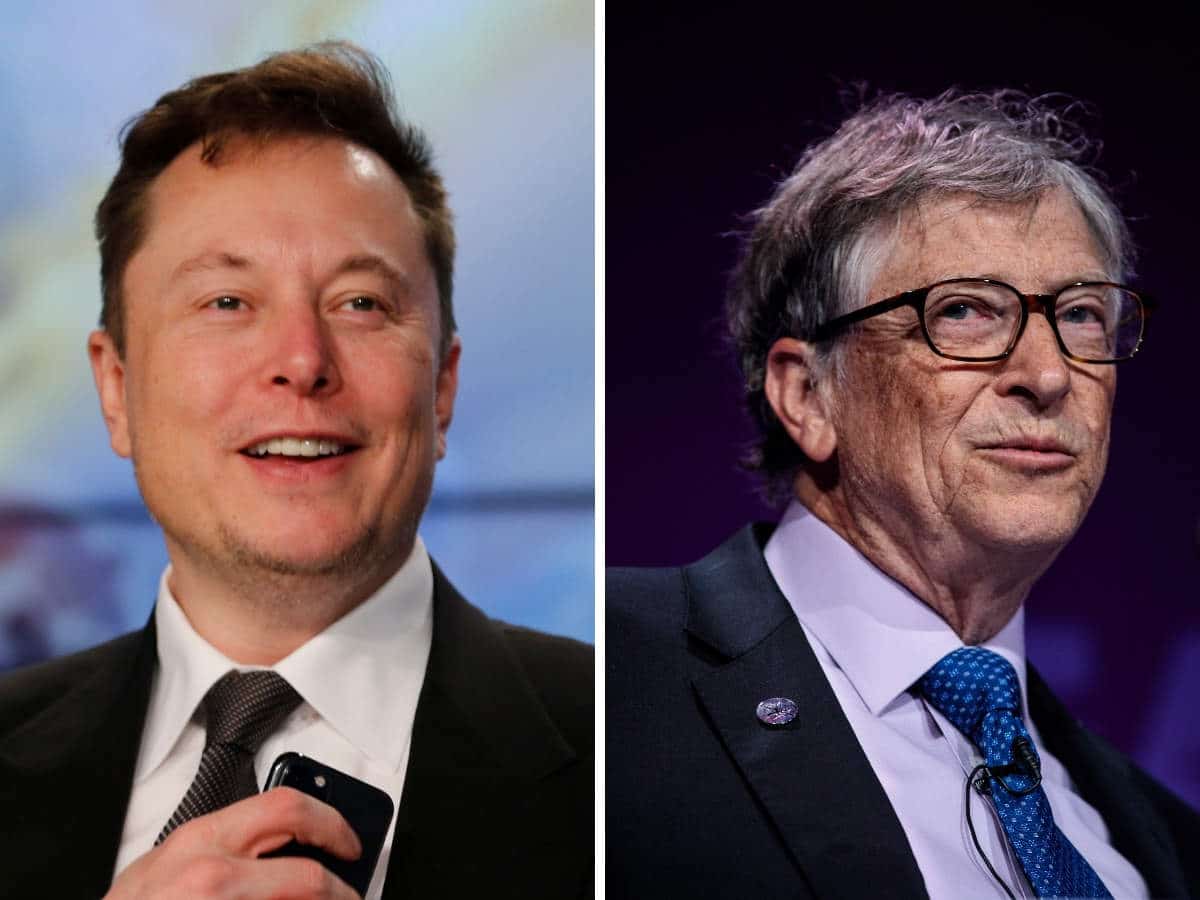
Elon Musk’s Charity Dilemma: Influences, Concerns, and Tensions with Bill Gates
Key Takeaways
- Elon Musk is reconsidering his charitable pledge following advice from Peter Thiel.
- Thiel warned Musk that his wealth could disproportionately benefit left-leaning nonprofits linked to Bill Gates.
- Thiel calculated that if Musk died soon, his pledge might direct $1.4 billion to Gates’ initiatives.
- Musk expressed frustration at the thought of his wealth going to Gates, questioning if he should leave it to his children instead.
- Musk and Gates’ relationship has deteriorated, particularly over Tesla-related issues and investments.
- Gates has criticized Tesla’s projects, including the feasibility of the Tesla Semi and Musk’s DOGE cuts.
The world of billionaires is not only about wealth accumulation; it’s also about how that wealth is distributed or pledged for the greater good. Recently, Elon Musk, one of the most prominent figures in the tech and innovation world, has been in the spotlight for reconsidering his charitable pledge. This decision comes after some eye-opening discussions with Peter Thiel, co-founder of PayPal and a longstanding confidant of Musk. Here’s a deep dive into the factors influencing Musk’s current stance on philanthropy, the role of Peter Thiel, and the evolving relationship with Bill Gates.
Understanding the Reconsideration
Musk’s initial commitment to philanthropy was marked by his signing of the Giving Pledge in 2012. This is an initiative spearheaded by Bill Gates and Warren Buffett, urging billionaires to contribute the majority of their wealth to charitable causes either during their lifetime or through their wills. Musk’s reconsideration of this commitment highlights several key issues:
- Influence of Peter Thiel
- Advisory Role: Thiel cautioned Musk against allowing his wealth to be steered towards what he perceives as “left-leaning nonprofits” aligned with Gates’ interests.
- Financial Analysis: Thiel further reinforced his argument with a calculative approach, warning that Musk’s passing could inadvertently allocate $1.4 billion toward causes favored by Gates.
- Musk’s Personal Wealth Distribution Dilemma
- Children vs. Charities: Musk voiced his concerns about whether his wealth would be better utilized by his children or other entities, especially those potentially aligned with Gates.
- Emotional and Strategic Considerations: The decision is not only financially significant but also emotionally and strategically potent, reflecting Musk’s broader vision for his legacy.
The Relationship Dynamics: Musk vs. Gates
The interpersonal relationship between Elon Musk and Bill Gates has become a focal point in the broader discourse on philanthropy and innovation:
- Business Tensions:
- Gates’ skepticism about the feasibility of Tesla projects, particularly the Tesla Semi, has been a contentious issue. This criticism extends to the perceived effectiveness of initiatives like Musk’s DOGE project.
- Gates’ financial moves, such as his short positions against Tesla, have deepened the rift as they appear contradictory to his public support for sustainability.
- Public Exchanges:
- The animosity has occasionally spilled over into public exchanges, with Musk reacting strongly to Gates’ critiques and business maneuvers.
Navigating the Future of Philanthropy
Elon Musk’s reconsideration of his charitable endeavors presents a complex interplay of personal, financial, and ideological factors. This decision-making process is emblematic of a larger debate surrounding the most effective methods of philanthropic giving in the tech industry.
In the future, how Musk navigates these challenges could redefine not only his philanthropic legacy but also impact the broader discourse on wealth distribution in the world of mega-wealthy individuals. As this narrative unfolds, the world is watching how visionaries like Musk balance personal beliefs, friendships, and the societal impact of their financial decisions.