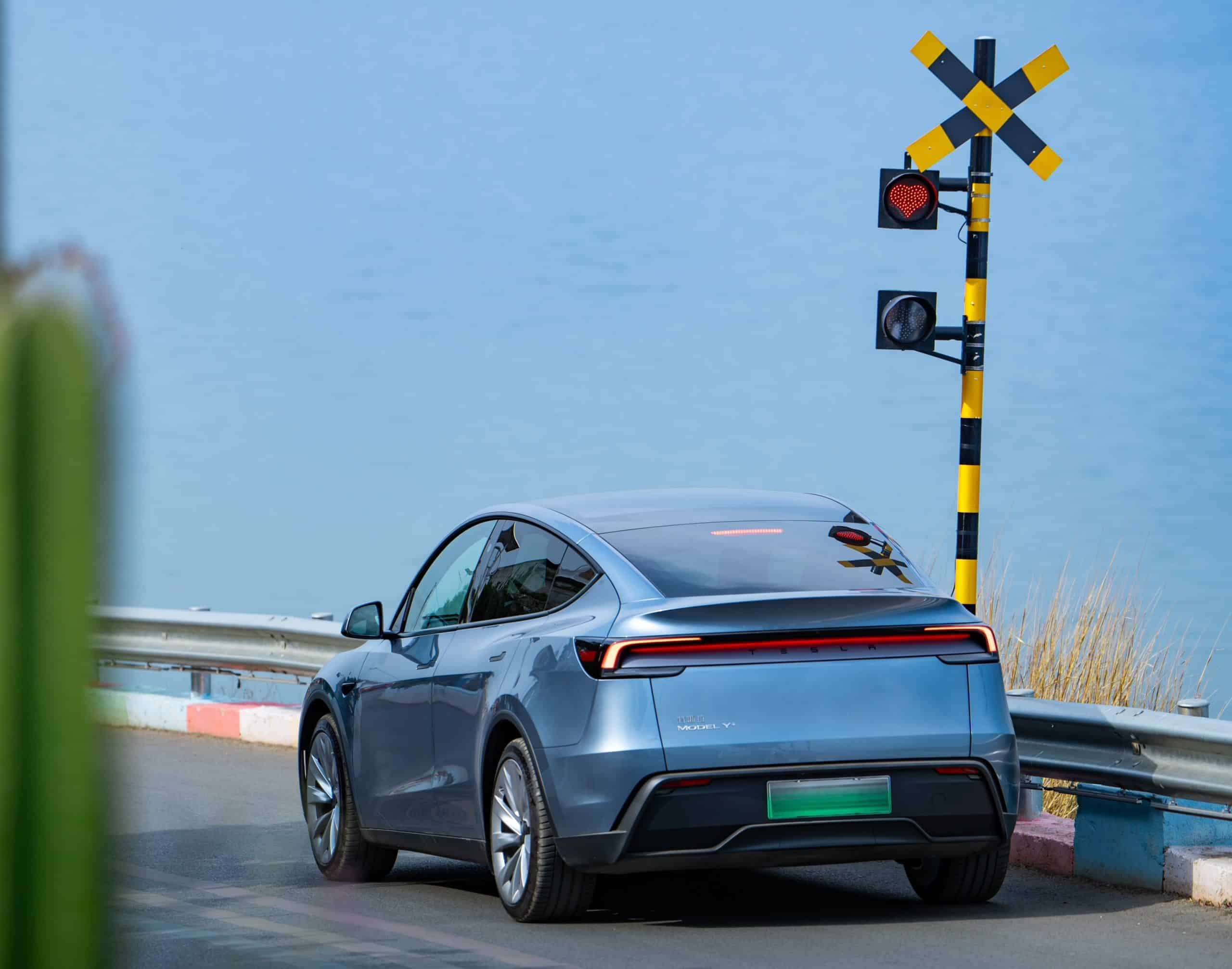
Tesla Model Y: The Dominant Force in the 500-Mile Test Challenge
Key Takeaways
- Tesla Model Y outperforms BYD Sealion 7 and MG IM6 in a 500-mile test for efficiency and reliability.
- Real-world charging performance shows Tesla’s Supercharging network provides superior energy calculations and cost-effectiveness.
- BYD and MG’s claimed capabilities fall short; they struggled to deliver on range and charging promises during tests.
- Operating costs reveal Tesla Model Y as the cheapest to own among the tested vehicles, highlighting its value.
- MG has the fastest charging time from 25% to 80%, but overall efficiency favors Tesla Model Y significantly.
In recent automotive industry news, a 500-mile challenge conducted by What Car? magazine has reinforced Tesla Model Y’s position as a leader in the electric vehicle market. The test compared the Model Y with competitors BYD Sealion 7 and MG IM6, focusing on efficiency, reliability, and overall cost-effectiveness.
Understanding the 500-Mile Challenge
Setting the Stage: Tesla Model Y vs. BYD and MG
The 500-mile challenge involved meticulously testing the Tesla Model Y against its well-hyped competitors, the BYD Sealion 7 and the MG IM6. These tests aimed to reveal practical insights that potential EV owners find most crucial: real-world performance and cost efficiency.
The Key Metrics
- Efficiency: How much energy do these vehicles consume over a given distance?
- Reliability: Do the vehicles meet their promised range and charging speeds?
- Cost-Effectiveness: What are the real costs of operating these vehicles?
Tesla Model Y: Efficiency Champion
Tesla’s Supercharging Advantage
The results showcased Tesla’s superior charging infrastructure. The Model Y boasted impressive energy management through its renowned Supercharging network, displaying precise energy calculations and efficient use of battery capacity.
- Tesla Model Y: 19.4 kWh per 100 km
- MG IM6: 22.2 kWh per 100 km
- BYD Sealion 7: 23.9 kWh per 100 km
A Battle of Promises vs. Real-World Performance
BYD and MG’s Underdelivered Promises
Despite promising specifications on paper, BYD and MG faced challenges during the tests:
- BYD Sealion 7: Failed to meet range projections, highlighting discrepancies.
- MG IM6: Advertised high charging speeds but couldn’t actualize them in real-world conditions.
Cost-Effectiveness: Tesla Leading the Charge
Tesla’s smart infrastructure further extends to economic aspects. Surprisingly, the Model Y incurred the lowest total charging costs over the 500-mile journey:
- Tesla Model Y: £82
- MG IM6: £119
- BYD Sealion 7: £130
Final Thoughts: The Tesla Advantage
Why The Model Y Remains Unparalleled
The 500-mile test underscores several compelling reasons to consider the Model Y:
- Superior Efficiency: Optimal energy consumption ensures lower operational costs over time.
- Reliable Performance: Accurate range predictions and stable charging capabilities reflect Tesla’s expertise in EV technology.
- Cost Savings: Overall lower energy costs make it an economically viable choice for buyers.
Related Queries
With these insights in mind, potential EV buyers might look into:
- How does Tesla Model Y compare to BYD and MG in real-world tests?
- What charging infrastructure supports the Tesla Model Y?
- What are the ownership costs of Tesla versus BYD and MG vehicles?
Reflecting on the compelling evidence from the 500-mile test, it’s evident why Tesla continues to set the benchmark in the electric vehicle space. Investing in a Tesla Model Y not only promises groundbreaking technology but also a more economical driving future. As more consumers consider switching to EVs, such tests provide invaluable clarity to their decision-making process.