Tesla Secures Highest Price Target Yet as Autonomy Ambitions Grow
Key Takeaways
- Tesla’s new price target raised to $600 by Wedbush’s Dan Ives, reflecting optimism in its AI and autonomous capabilities.
- Ives believes Tesla could reach a $2 trillion market cap by early 2026 and a potential $3 trillion by the end of that year, driven by AI advancements.
- Elon Musk’s re-engagement as “wartime CEO” is seen as a pivotal factor for Tesla’s competitive edge and growth strategy.
- Robotaxi rollout expected to launch in over 30 US cities within the next year, backed by political support for technological advancement.
- Strong Q3 delivery numbers anticipated due to improving demand, especially from China, despite challenges in Europe.
Tesla, an automotive and energy company that has consistently pushed the boundaries of innovation, is once again making headlines. This time, it’s due to the impressive new price target set by Wedbush analyst Dan Ives, reflecting high hopes for Tesla’s future, specifically its advancements in AI and autonomy. Let’s delve into the details of this influential forecast and its implications for Tesla, the auto industry, and the world at large.
The New Price Target: A Bold Prognosis
Wedbush analyst Dan Ives recently elevated Tesla’s (NASDAQ: TSLA) price target to an unprecedented $600. This leap in valuation reflects a strategic belief grounded in Tesla’s potential to dominate the autonomous vehicle sector and its expansive AI capabilities. According to Ives, investors might be significantly underestimating the transformative shifts currently underway at Tesla.
A Vision Dominated by AI and Autonomy
1. High Hopes for AI
Dan Ives projects that Tesla’s AI and autonomous vehicle developments are key drivers set to unlock massive market value. His estimates suggest Tesla could achieve a staggering $2 trillion market cap by early 2026, with the potential to reach $3 trillion by the year’s end. The crux of this valuation is the full-scale volume production of autonomous and robotic technologies.
2. Robotaxis and Political Backing
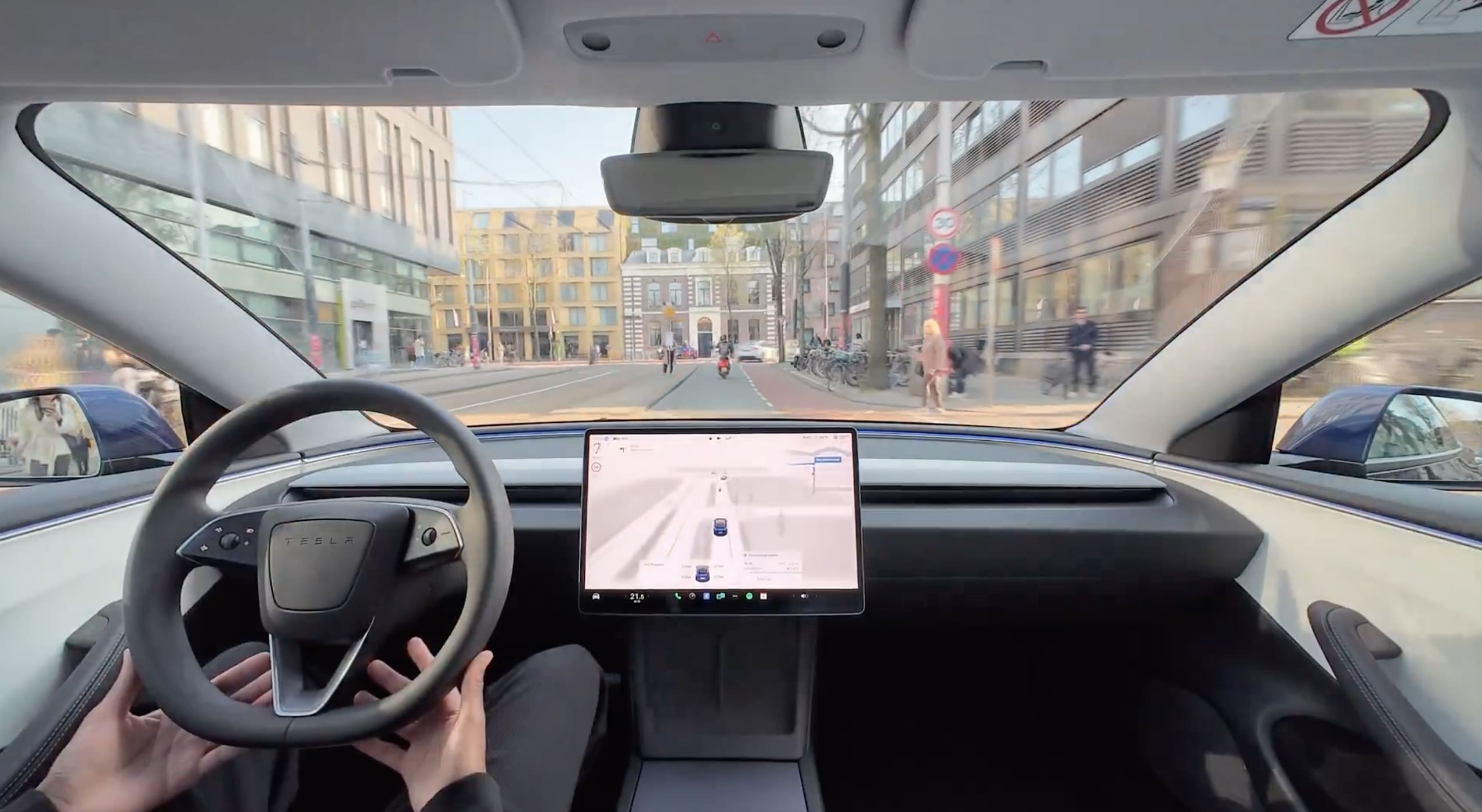
Tesla’s next growth phase is marked notably by the impending rollout of Robotaxis in over 30 US cities. Ives points out that these advancements are likely to gather steam, supported by a favorable political climate that encourages technological advancement, particularly by the Trump White House’s competitiveness in the AI race.
The ‘Wartime CEO’ Effect: Elon Musk’s Role
Elon Musk, who has repeatedly demonstrated an unparalleled commitment to pushing Tesla forward, is once again at the helm as a “wartime CEO.” Under this leadership style, Musk’s strategic aggression aims to outmaneuver competitors, making Tesla an indomitable force in the industry. This “wartime” posture is anticipated to substantially influence Tesla’s trajectory, introducing rapid advancements in AI capabilities.
Delivery Outlook: Challenges and Triumphs
Tesla’s delivery performance remains a critical aspect of its financial health. For Q3, Tesla is poised for success, with Ives anticipating robust delivery figures primarily driven by rising demand from China. Despite encountering some market soft spots in Europe, the global demand stabilization is likely to facilitate Tesla in surpassing delivery expectations.
Tesla’s Path Forward
Tesla’s trajectory suggests a future that intertwines significant advancements in AI and autonomy with robust market strategies. With Elon Musk’s determined leadership and strategic foresight, Tesla could well redefine the automotive and tech industries in the coming years. As the company embarks on this ambitious journey, stakeholders and market watchers alike will be eager to witness whether these bold predictions materialize.