Starship Flight 10: A Giant Leap for SpaceX and Future Space Exploration
Key Takeaways
- Elon Musk shared that Starship’s upper stage landed just 3 meters from its target during its tenth test flight.
- Flight 10 marked the successful splashdown of Starship after previous tests ended in failure.
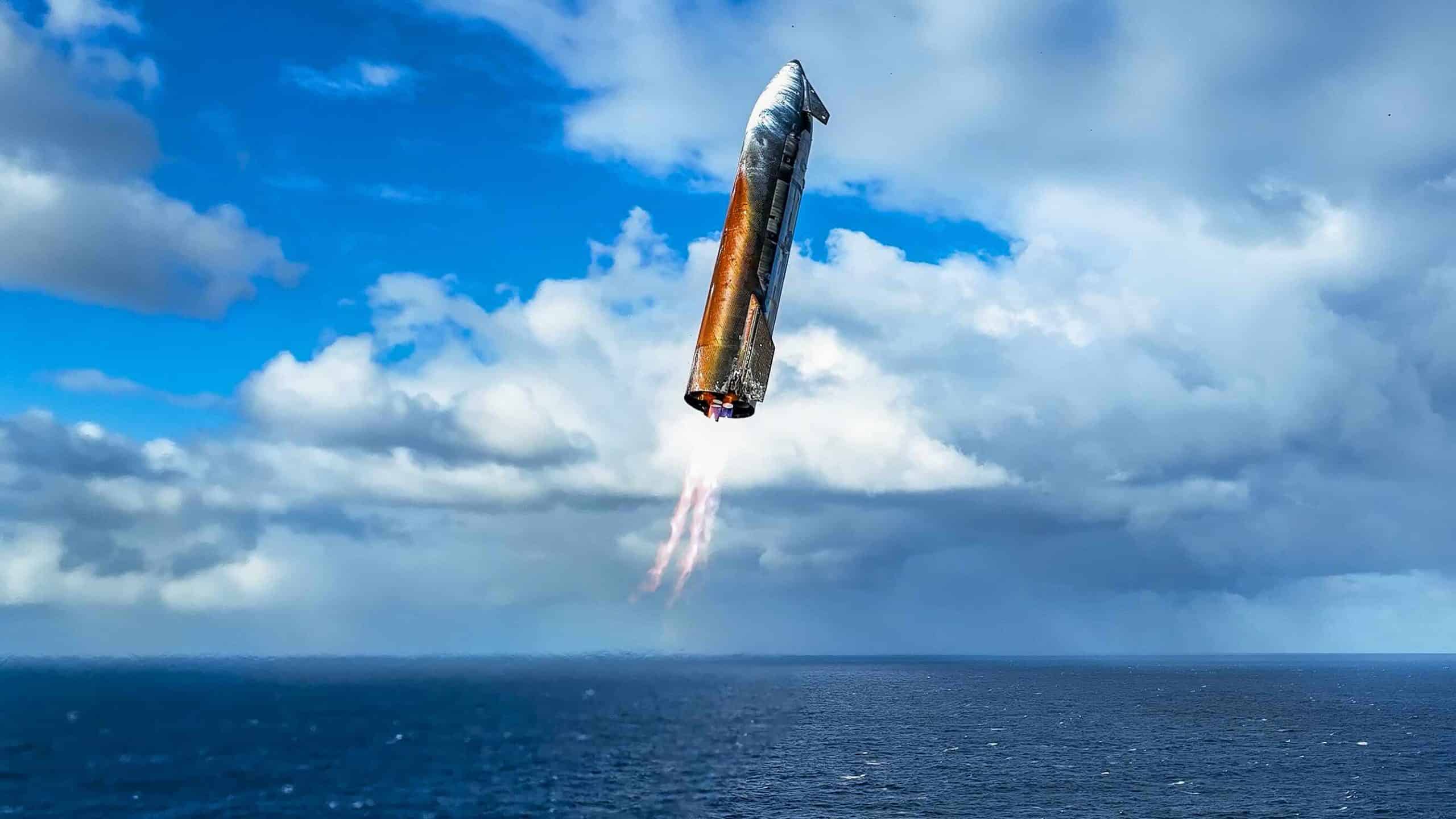
- Despite visible damage from reentry, the vehicle demonstrated impressive maneuverability and precision.
- This success is a critical step towards developing a fully reusable launch system for future lunar and Mars missions.
SpaceX continues to defy the odds and push the boundaries of space exploration as demonstrated by the remarkable achievements of Starship Flight 10. Recently, Elon Musk’s groundbreaking aerospace company accomplished an astonishing feat when the upper stage of Starship landed a mere 3 meters from its target after its tenth test flight. This milestone marks a significant turning point in the development of fully reusable launch systems, a concept set to revolutionize the prospects of lunar and Mars missions.
The Context: Overcoming Previous Challenges
Historical Struggles with Testing
Prior to Flight 10, SpaceX faced considerable challenges with the Starship’s upper-stage tests, encountering premature breakups in previous attempts. Contrary to these earlier results, the success of Flight 10 is not only monumental due to its technical brilliance but also as a testament to SpaceX’s perseverance and commitment to learning from past failures.
Challenges Faced During Flight 10
To appreciate the full scope of the achievement, it is essential to understand the specific challenges faced:
- Reentry Conditions: Starship’s upper stage underwent a grueling reentry process, as evidenced by the scorched golden-brown heat shield and missing aft skirt sections.
- Intentionally Missing Tiles: The vehicle also completed maneuvers with deliberately missing tiles, testing the durability and stress limits of its design.
- Flap Maneuvers and Damage: The flaps faced extensive stress, and despite visible damage, the Starship still executed a precise landing.
The Success Story: Precision and Innovation in Spaceflight
Remarkable Precision in Landing
Landing with such precision—3 meters from the intended target—after enduring harsh reentry conditions demonstrates the engineering excellence of SpaceX. This level of exactitude is especially noteworthy considering the vastness of the oceanic landing zone and the forces exerted on the vehicle during descent.
Implications for Reusability and Space Exploration
- Proof of Concept for Reusability: The critical success of Flight 10 provides SpaceX with invaluable data essential for advancing their goal of reusability. The capability to withstand severe conditions and still perform a precise landing is a significant confidence booster for future missions.
- Future Lunar and Mars Missions: This milestone is a vital step in preparing for ambitious missions beyond low Earth orbit. A reusable launch system significantly reduces costs and enhances the viability of payload deliveries, as well as manned missions to the Moon and Mars.
Paving the Way for Spacefaring Future
With Flight 10, SpaceX has reinforced its pioneering role in aerospace innovation. By proving the resilience and precision of its reusable technology, SpaceX not only enhances its competitive edge but also paves the way for a more sustainable and cost-effective future in space exploration.
As we look forward, the success of such test flights brings humanity closer to achieving space exploration dreams that once seemed like science fiction. The possibility of routine travel to the Moon, Mars, and beyond beckons, with each successful landing providing a stepping stone toward those lofty goals.