Tesla’s Semi Factory Just Got a Massive Equipment Upgrade
Key Takeaways
- Tesla is set to kick off production of the Tesla Semi this year at its Nevada factory.
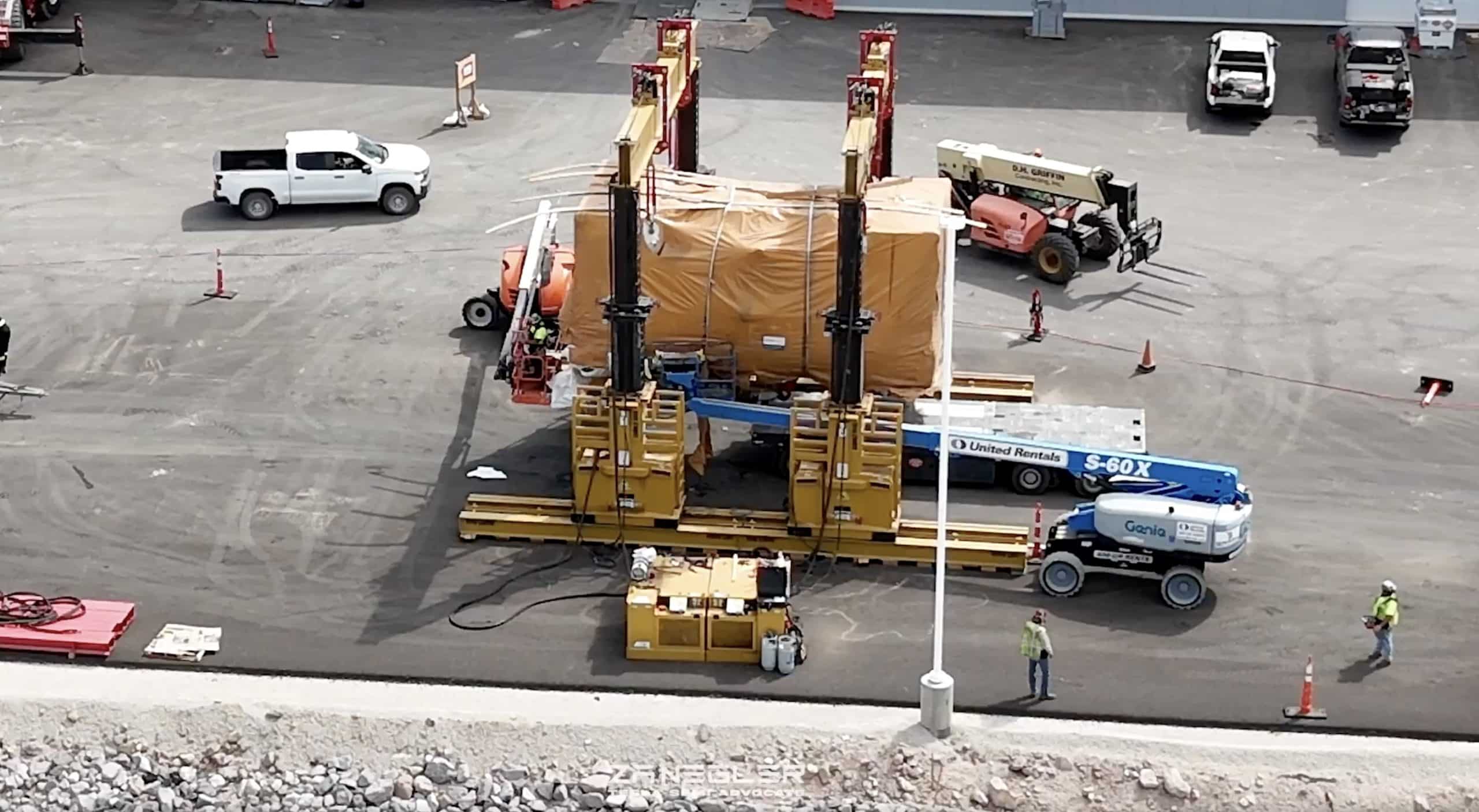
- Massive production equipment, likely a stamping press, has arrived at the Giga Nevada site.
- The factory aims to produce 50,000 units annually, making it one of the highest-volume plants for semi trailers in the U.S.
- Tesla plans to achieve mass production of the Semi by 2026, as confirmed by CEO Elon Musk.
- Dan Priestley, leader of the Semi program, emphasized the goal of volume production in upcoming quarters.
The future of transportation is electric, and Tesla is leading the charge with its innovative Tesla Semi. This year, Tesla is setting its sights on beginning production of this groundbreaking vehicle at its Nevada factory. What does this mean for the trucking industry and the future of sustainable transportation? Join us as we delve into the details of Tesla’s ambitious plans and what they promise for the world of logistics and beyond.
Setting the Stage at Giga Nevada
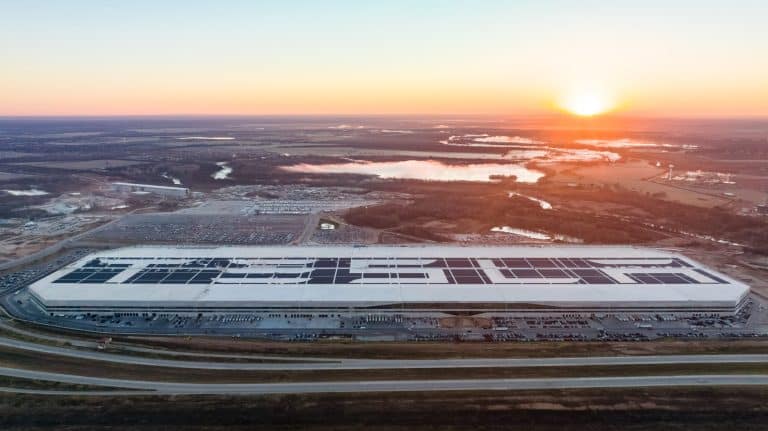
Located near the larger-than-life Gigafactory, the Tesla Semi production facility is gearing up to significantly impact the transportation industry. Tesla’s commitment to innovation and sustainability is evident in the steps they are taking to ramp up production at this site.
Arrival of Massive Production Equipment
A recent development integral to the upcoming production of the Tesla Semi is the arrival of colossal production equipment. Witnessed at the Giga Nevada site, the equipment likely includes a massive stamping press. This aligns with Tesla’s pioneering use of Megacasts in automotive manufacturing, underscoring the company’s commitment to revolutionizing traditional production methods.
Production Goals: From Ambition to Reality
Tesla’s goals for the Semi are nothing short of groundbreaking. The Nevada factory is set to produce a staggering 50,000 units annually, positioning it as one of the highest-volume plants for semi-trailers in the United States. This move not only signifies a monumental shift in the production capabilities for electric trucks but also paints a promising picture of the future of transportation.
Timeline to Mass Production
Key figures like Dan Priestley, leader of the Semi program, have highlighted the company’s focus on achieving volume production over the coming quarters. CEO Elon Musk recently reiterated that mass production is planned to be achieved by 2026. With visionaries like Musk driving the project, Tesla is set to turn what seems ambitious today into a reality tomorrow.
Impact on the Industry
Environmental Benefits
With the transportation sector being a major contributor to global emissions, the Tesla Semi’s introduction could have a significant environmental impact. By replacing traditional diesel-powered trucks with electric vehicles, Tesla is not only reducing emissions but also setting a benchmark for sustainability in the industry.
Economic Implications
Producing 50,000 units annually translates to substantial economic activity. This will likely lead to job creation, increased demand for electric vehicle components, and a boost in ancillary industries. The ripple effect of Tesla’s production efforts will be felt across varying sectors of the economy.
A Step Towards a Sustainable Future
Tesla’s determination to commence the production of the Tesla Semi is a testament to the company’s visionary approach to addressing global challenges through innovation. As the Nevada factory gears up for large-scale production, the world watches in anticipation. The Tesla Semi holds the potential not only to transform the trucking industry but also to pave the way for a more sustainable future in transportation.