The Future of Autonomous Travel: Tesla Robotaxi vs. Waymo
Key Takeaways
- Dorsheimer found Tesla’s Robotaxi to offer a superior rider experience compared to Waymo’s service.
- Robotaxi vehicles lack external hardware, blending seamlessly into traffic, while Waymo vehicles are more visually distinct with LiDAR equipment.
- The cost of Tesla’s Robotaxi is half that of Uber, potentially positioning it to dominate the market.
- Both services are safe, but Robotaxi’s ride felt more natural and human-like, in contrast to Waymo’s robotic experience.
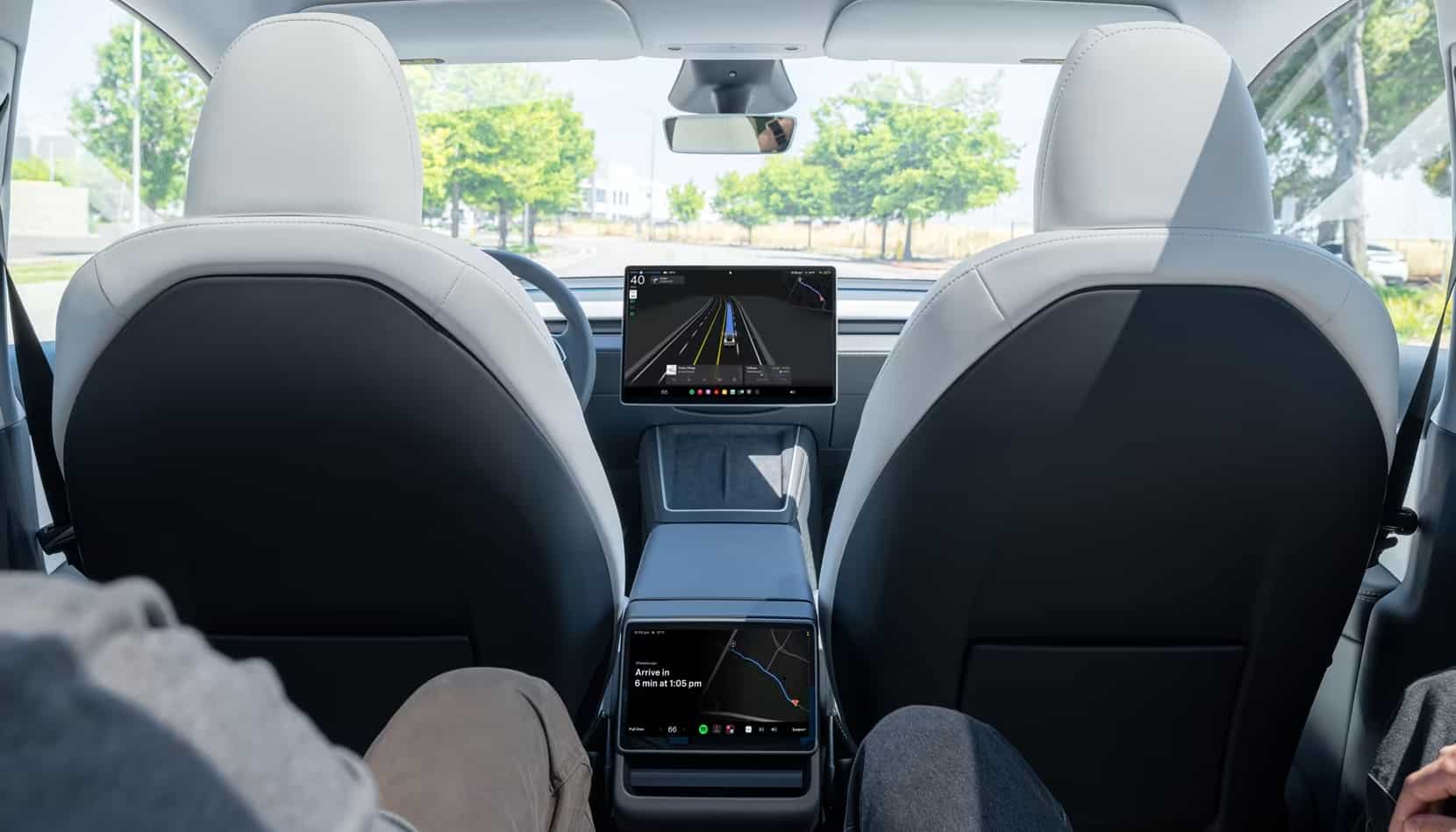
- Robotaxi allows for personalized experiences, like controlling music and cabin temperature, enhancing rider comfort.
In the rapidly evolving world of autonomous vehicles, two giants are paving the way for the future: Tesla and Waymo. Both companies have embarked on ambitious ride-sharing programs with their Robotaxi platforms, but according to Jed Dorsheimer, a well-regarded analyst from William Blair, Tesla has emerged as the frontrunner in terms of rider experience. Let’s dive deeper into how Tesla’s Robotaxi stands out in this burgeoning market and what this means for the future of autonomous travel.
Tesla Robotaxi: The Chameleon of the Roads
Seamless Design with Subtle Tech
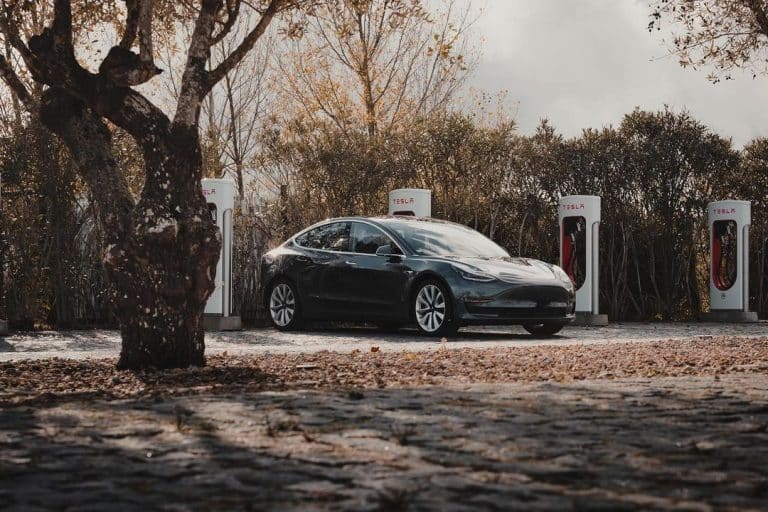
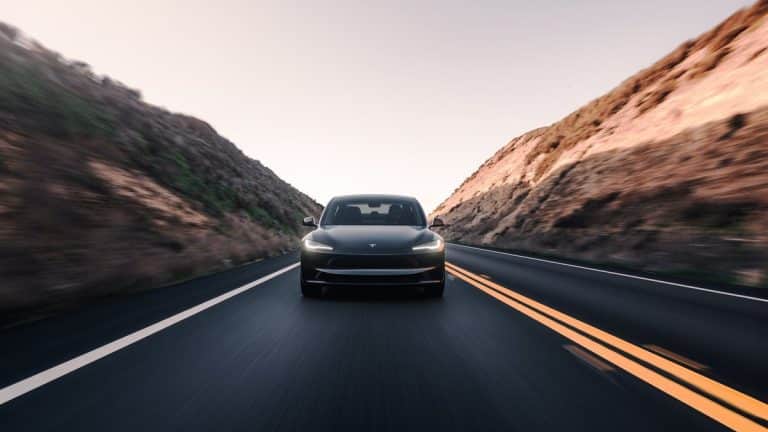
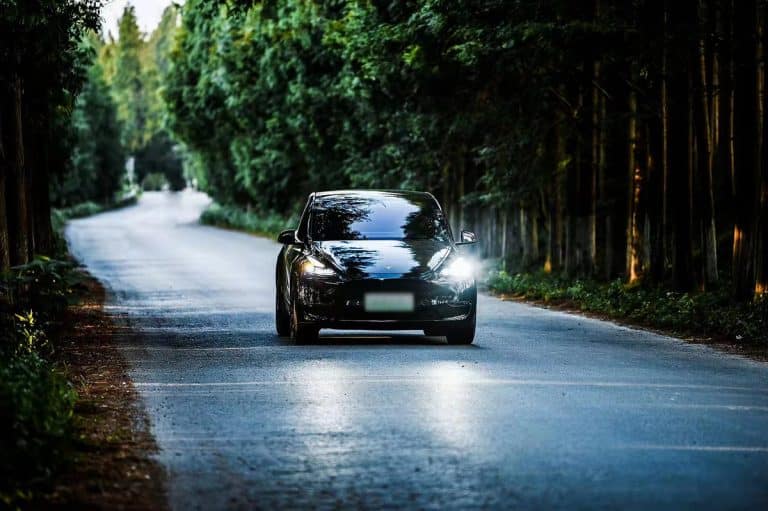
One of Tesla’s greatest strengths is its ability to integrate technology without disrupting the aesthetic appeal of its vehicles. Unlike Waymo’s cars, which are equipped with prominent LiDAR rigs, Tesla Robotaxis maintain a sleek and conventional appearance. This is primarily because Tesla relies on external cameras for navigation, allowing its vehicles to blend seamlessly with everyday traffic. This design philosophy not only complements Tesla’s brand image but also enhances user comfort by offering a familiar, unobtrusive travel experience.
Cost Efficiency as a Competitive Edge
Affordability Meets Luxury
An equally compelling feature of Tesla’s Robotaxi is its cost-effectiveness. Dorsheimer notes that the cost is about half of what you would pay for an Uber ride, making it an attractive option for budget-conscious consumers without compromising on quality. This aggressive pricing strategy could potentially allow Tesla to capture significant market share, challenging conventional ride-sharing companies and other autonomous vehicle services.
Human-Like Experience vs. Robotic Precision
Comfort Meets Cutting-Edge Technology
Despite both Tesla and Waymo offering a secure ride experience, the feel of each journey differs significantly. Dorsheimer points out that while Waymo provides a precise, robotic ride, Tesla’s Robotaxi offers a human-like experience with smooth navigation and passenger-friendly features:
- The Tesla ride feels like a friendly, familiar companion navigating the roads.
- Adjustable cabin settings and continued entertainment options further personalize the journey, making it more enjoyable.
Customization and Passenger Comfort
Entertainment and Environment Control
Tesla has prioritized an enhanced passenger experience by offering greater control over the ride environment. From controlling the cabin temperature to customizing music preferences, passengers can tailor the journey to their liking. This level of customization not only increases comfort but also sets Tesla apart from competitors who may not prioritize these user-centric features.
The Road Ahead
As Tesla and Waymo continue to innovate and expand their autonomous ride-sharing services, it’s clear that Tesla has an edge in several crucial areas. Its seamless integration of technology, competitive pricing, and focus on passenger experience create a compelling value proposition for consumers. While Waymo remains a formidable contender with its precision and reliability, Tesla’s bold strategies and user-friendly approach give it a distinct advantage in the race towards mainstream adoption of autonomous vehicles.