FAA Approves SpaceX Starship Flight 10 Following Flight 9 Investigation
Key Takeaways
- FAA approves SpaceX for Starship Flight 10 after reviewing Flight 9 mishap findings.
- SpaceX identified a fuel component failure as the cause of the Flight 9 incident, with no safety concerns for the public.
- Flight 9 marked the first reuse of a Super Heavy booster, but ended with destructive breakup over the ocean and no wildlife harm reported.
- Flight 10 will implement adjusted return angles and additional landing tests, aiming for a Gulf splashdown.
- The upcoming flight will feature payload deployment and an in-space Raptor engine relight as part of its objectives.
- Starship remains crucial for NASA’s Artemis program, despite recent setbacks in previous tests.
The recent announcement from the Federal Aviation Administration (FAA) approving SpaceX for the much-anticipated Starship Flight 10 marks a significant milestone in space exploration. This approval came after a thorough review of the Flight 9 mishap, which, despite facing setbacks, has paved the way for new learnings and innovations.
Understanding the Flight 9 Mishap
The previous Starship mission, Flight 9, encountered a mishap resulting in the loss of both the Super Heavy booster and the upper stage. This incident ended with a destructive breakup over the ocean. However, SpaceX’s investigation pinpointed a fuel component failure as the root cause. Thankfully, this mishap posed no safety concerns for the public, highlighting the robustness of the safety protocols in place.
Lessons Learned
- First Reuse of Super Heavy Booster: Flight 9 marked a crucial attempt at reusing a Super Heavy booster. Although the mission did not end as hoped, it provided valuable data for future missions.
- Environmental Safety: Importantly, SpaceX confirmed that the debris from the failed mission did not harm marine life, underscoring the company’s commitment to environmental responsibility.
What’s New for Starship Flight 10?
With the lessons from Flight 9 well-learned, SpaceX is set to implement various new measures for Starship Flight 10. These include adjustments to return angles and additional landing burn tests to improve landing accuracy, aiming for a Gulf splashdown this time around.
Key Objectives for Flight 10
- Payload Deployment: Starship Flight 10 will herald SpaceX’s first attempt to deploy a payload during testing. This is a critical step towards making space travel more commercially viable.
- In-Space Raptor Engine Relight: The mission will also include a significant test of relighting the Raptor engine in space, further enhancing SpaceX’s technological capabilities.
The Significance of Starship in NASA’s Artemis Program
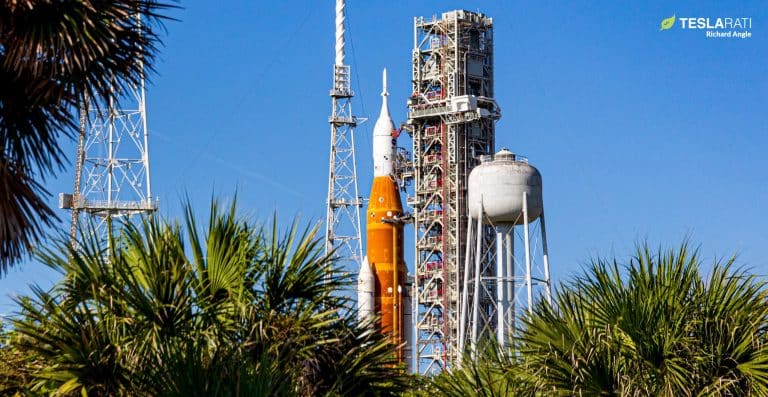
Despite setbacks in the form of rapid unscheduled disassembly (RUD) in the last three flights, Starship remains central to NASA’s Artemis program. The Artemis III mission, set to return humans to the moon for the first time since the Apollo program, will rely on a Starship variant as its human landing system. This emphasizes Starship’s critical role in the future of human space exploration.
How the FAA Supports SpaceX’s Ambitions
The FAA’s approval of Starship Flight 10 after a meticulous review process exemplifies the agency’s role in supporting innovative space missions while ensuring public safety. The expanded license allowing up to 25 Starship flights annually from Texas is a testament to the growing confidence in SpaceX’s capabilities.
Moving Toward the Future
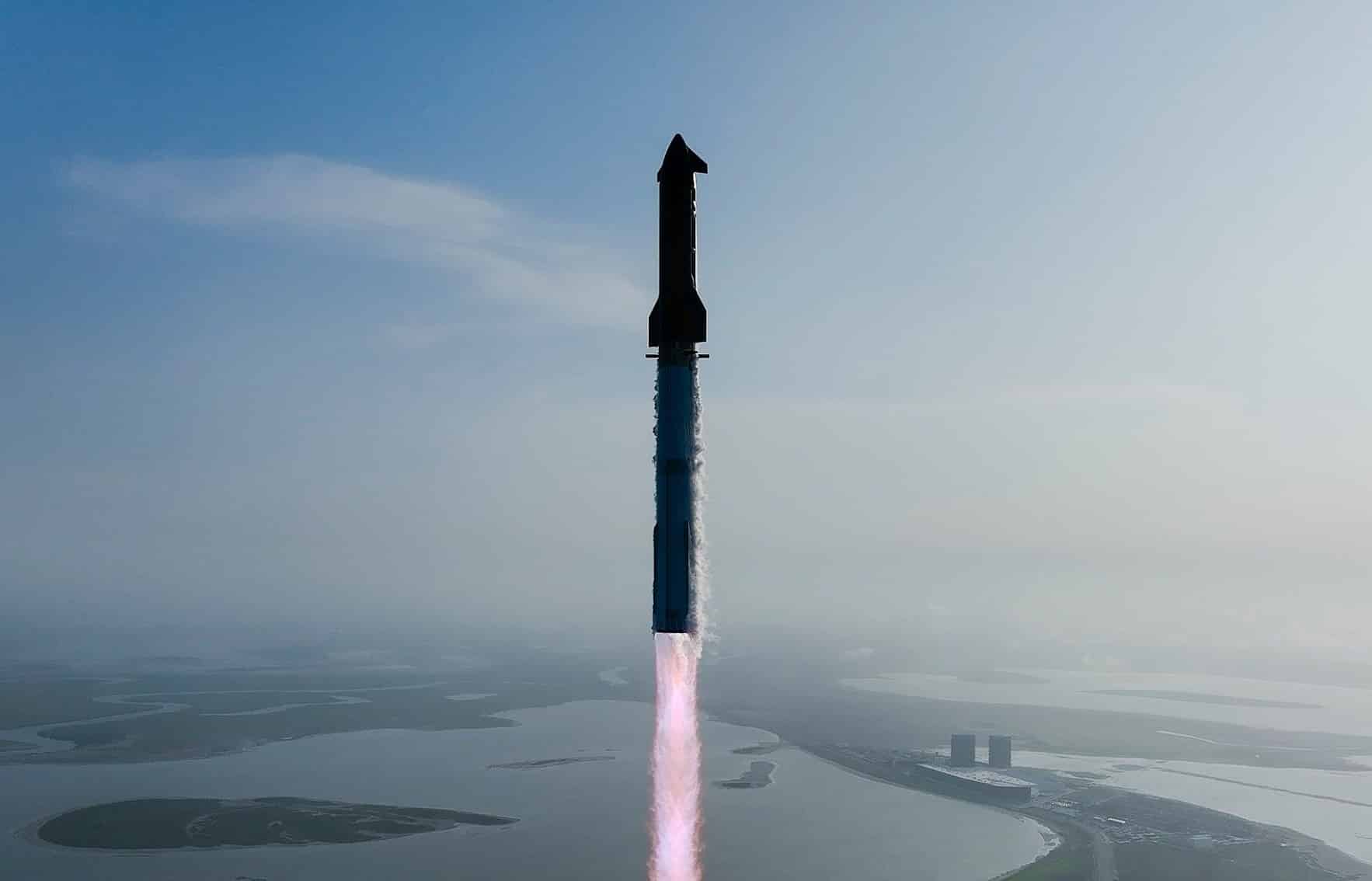
Standing more than 400 feet tall and generating 16 million pounds of thrust, the Starship remains the most powerful rocket ever flown. Yet, it has yet to complete an orbital mission. Each trial, including Flight 10, brings SpaceX one step closer to achieving reliable and reusable space travel, which could transform humanity’s relationship with outer space.