Tesla Robotaxi: From Skepticism to Acclaim – A Detailed Examination
Key Takeaways
- Tesla Robotaxi has impressed JPMorgan, overturning their previous skepticism about the platform.
- JPMorgan’s analysts tested the service and now acknowledge it as a “safe ride,” despite earlier negative predictions.
- The Robotaxi service has expanded its operational area in Austin, outpacing competitors like Waymo initially, though competition is increasing.
- The platform is still in testing phases, available to a small group with plans for broader public access in the future.
The journey of Tesla’s Robotaxi from skepticism to praise showcases the adaptability and potential of autonomous vehicle technology. Once facing doubt from influential financial firms like JPMorgan, Tesla’s Robotaxi has now successfully demonstrated its potential in the bustling city of Austin, Texas. This blog post delves into the specifics of what makes Tesla’s Robotaxi a promising player in the self-driving car industry and explores its competitive landscape, notably with Waymo.
Tesla’s Robotaxi: Winning Over the Skeptics
The Initial Skepticism
Financial analysts at JPMorgan, a prominent Wall Street firm, were initially doubtful of Tesla’s Robotaxi initiative. Listed amongst stocks with anticipated disappointments, Robotaxi’s ambitious plunge into autonomous transportation was feared to be overpromising. In particular, Tesla’s high valuation was seen as misaligned compared to its peers in the Magnificent Seven, a group of top-performing tech companies.
A Change of Heart
However, as is often seen with emerging technologies, practical experiences can overrule theoretical skepticism. Following an on-ground examination in Austin, JPMorgan analysts reversed their initial stance. They acknowledged Tesla’s Robotaxi as a “safe ride,” highlighting its reliable and secure nature even in its nascent stages. Such experiential insights are invaluable, leading to a reassessment of Tesla’s capabilities in self-driving prowess.
Exploring the Competitive Landscape
Geofencing and Expansion
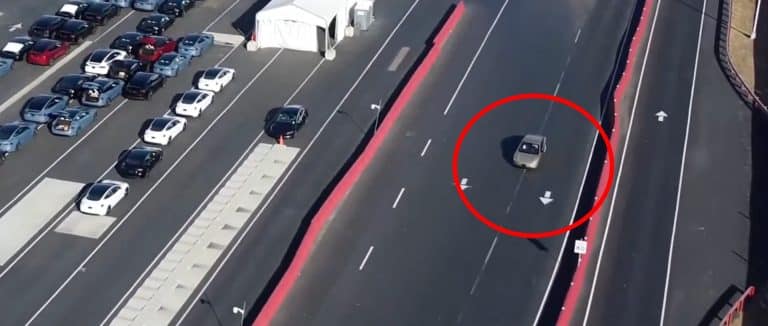
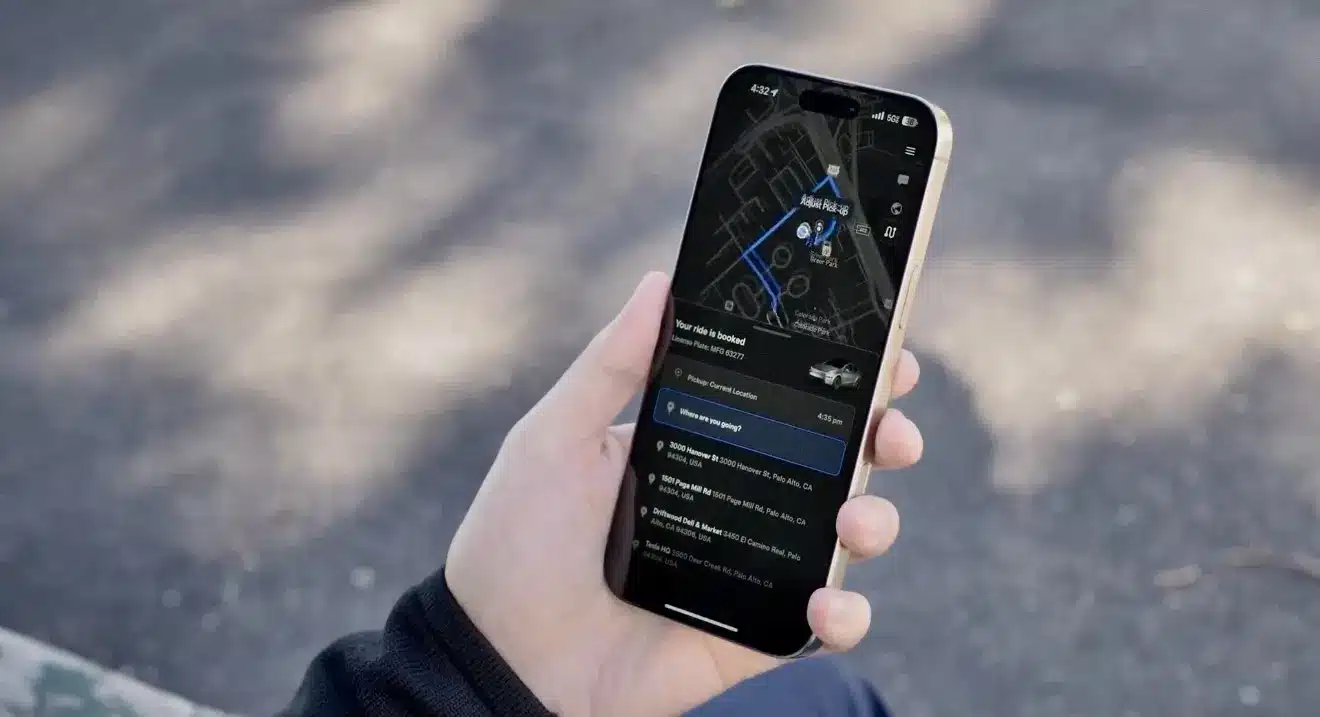
One primary factor contributing to JPMorgan’s change in perspective was Tesla’s strategic expansion of its Robotaxi’s operational map in Austin. Initially broader than its primary competitor Waymo, Tesla’s geofence now covers an estimated 42 square miles. This agile expansion positions Tesla to cater to an increasing number of users, testing the efficacy of its autonomous systems in varied environments.
The Waymo Challenge
Despite Tesla’s initial advantage in Austin, competition is fierce. Waymo, another industry leader in autonomous ride-hailing, rapidly expanded its operational boundaries following Tesla’s enhancements. Though currently surpassing Waymo’s coverage in Austin, the race to dominate the autonomous ride-hailing market is ongoing and vital for both companies’ success.
A Promising Future for Tesla’s Robotaxi
Public Access and Market Potential
Tesla’s Robotaxi, while still in the testing phase, has ambitions for broader public accessibility. Presently, the service is exclusive to a select group of users, gradually expanding its reach. As public acceptance of autonomous vehicles grows, Tesla is poised to become a key player in this transformative market.
Economic and Social Impact
Autonomous ride-hailing services promise not only technological innovation but also economic and social benefits. Reducing congestion, enhancing mobility for those without access to traditional vehicles, and offering potential cost savings in urban commuting are just a few of the advantages Tesla’s Robotaxi could pioneer.
Tesla’s Robotaxi story serves as a reminder of the value of innovation, iteration, and real-world testing in the tech industry. By convincing previous skeptics like JPMorgan of its viability, Tesla is paving the way towards a future where autonomous vehicles are a pivotal component of urban transportation. As the competition with Waymo and others heats up, the improvements and expansions undertaken by Tesla will be crucial for its sustained success and impact in the industry.