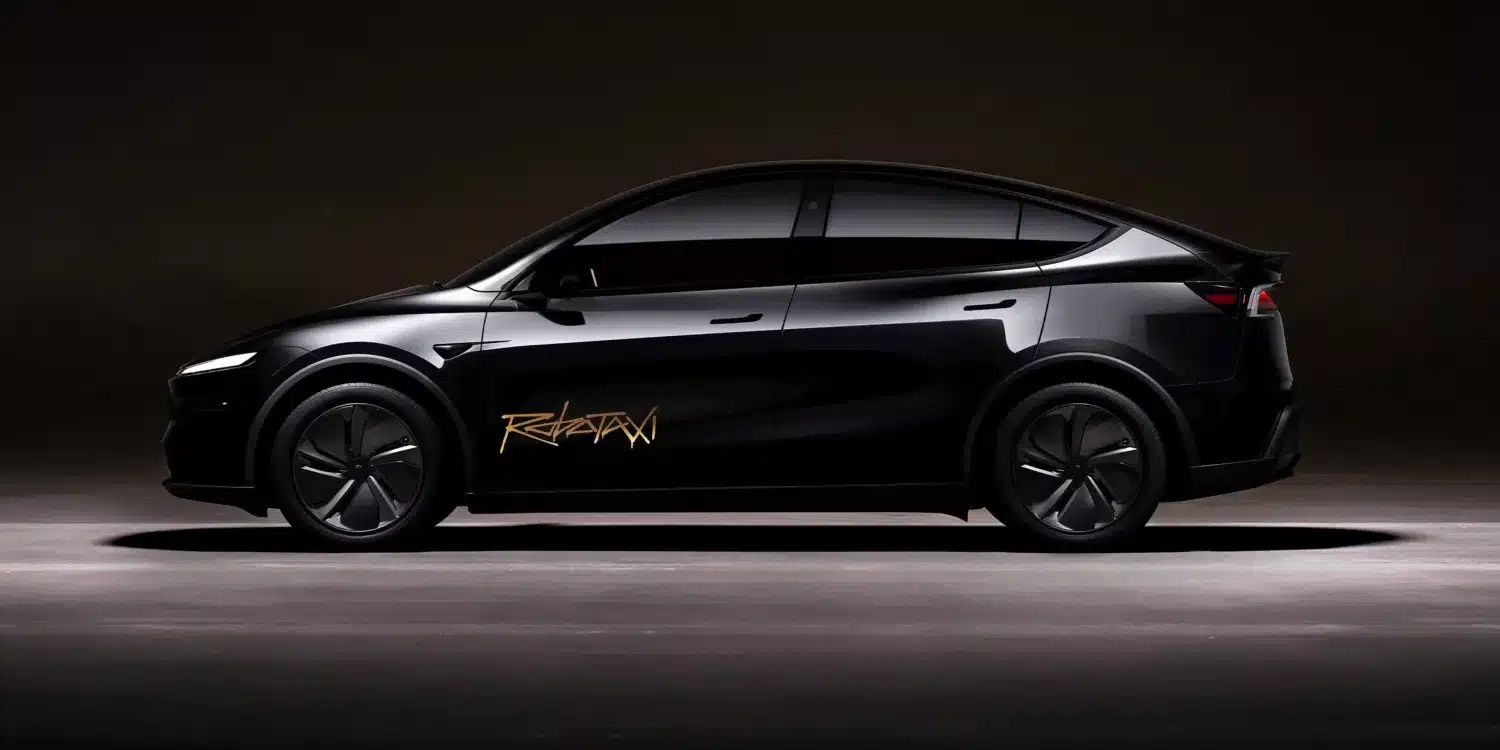
Tesla’s Robotaxi Fare Hits Another “Wait, What?” Milestone
Key Takeaways
- Tesla raised Robotaxi fare from $4.20 to $6.90, with CEO Elon Musk’s comedic references to these numbers.
- The service area for Robotaxi has expanded, allowing rides over a wider region in Austin.
- Tesla’s Robotaxi app is being updated regularly, enhancing features and overall user experience.
- Tesla has surpassed Waymo in service area size, now operating in an area roughly five square miles larger.
Tesla continues to make waves in the autonomous vehicle industry, especially with its innovative Robotaxi service. Recently, the company announced a fare increase and a significant expansion of its service area in Austin, Texas. This blog post delves into the implications of these changes, the technological advancements in Tesla’s Robotaxi app, and how Tesla has positioned itself against competitors like Waymo.
The Comedic Fare Hike
When Tesla decided to raise its Robotaxi fare in Austin, it wasn’t just any number they chose. The fare increased from the amusing $4.20 to the equally whimsical $6.90. This decision fits perfectly with CEO Elon Musk’s penchant for humor, as both numbers have been associated with his light-hearted jokes over the years.
Beyond the laughs, this fare hike signifies Tesla’s growing confidence and demand for its Robotaxi service. The increase reflects the expanding infrastructure and resources now being funneled into enhancing the service’s reach and capability. Here are a few reasons why this hike was inevitable:
- Service Demand and Growth: As more users adopt the Robotaxi service, the cost associated with maintaining and expanding the fleet naturally rises.
- Investments in Technology: With continuous improvements made to the Robotaxi app, backed by cutting-edge technology, the increasing fares help support these advancements.
- Market Positioning: By setting a higher price, Tesla aligns its service with premium offerings, potentially maximizing profit from each ride.
Expanding the Robotaxi Horizon in Austin
The broadening of Tesla’s service area is a bold statement of confidence. With this expansion, Tesla not only reinforces its commitment to making autonomous riding accessible to a broader audience in Austin but also strategically positions itself in a competitive market.
Key Highlights of the Expansion:
- Wider Reach: The newly expanded service area extends Tesla’s reach, allowing it to cater to more neighborhoods and businesses.
- Strategic Implications: Tesla’s expanded footprint in Austin underscores its business acumen, showcasing its ability to swiftly respond to market demands and outpace its competitors, like Waymo.
Technological Innovation: Updates to the Robotaxi App
Parallel to the fare and service area updates, Tesla has introduced several enhancements to its Robotaxi app, making it more efficient and user-friendly.
Recent Advancements Include:
- User Experience Enhancements: The app interface has been redefined for seamless interaction, making ride-hailing a breeze.
- Updated Features: New features include real-time tracking, improved ride-matching algorithms, and enhanced safety protocols.
- Regular Updates: Tesla’s commitment to app updates ensures the platform remains cutting-edge and aligned with user needs.
Surpassing Competitors: Tesla vs. Waymo
One of the significant talking points is Tesla’s surpassing of Waymo in the service area size in Austin. Here’s how Tesla is marking its territory:
- Geographical Advantage: Operating approximately five square miles more than Waymo clearly gives Tesla an edge in the autonomous vehicle market in Austin.
- Adaptive Strategy: Tesla’s ability to rapidly adapt to market demands and expand its service area shows a dynamic approach that could set the standard for future expansions.
Tesla’s recent actions with the Robotaxi service in Austin are more than just about increasing fares or expanding service areas—they mark a strategic progression in how autonomous services are integrated into urban landscapes. Tesla’s technological drive, backed by a strong market strategy, continues to set it apart from its competitors.