SpaceX Targets July 31 for Crew-11 Mission Amid Tight ISS Schedule
Key Takeaways
- NASA and SpaceX are targeting July 31 for the launch of Crew-11 to the ISS.
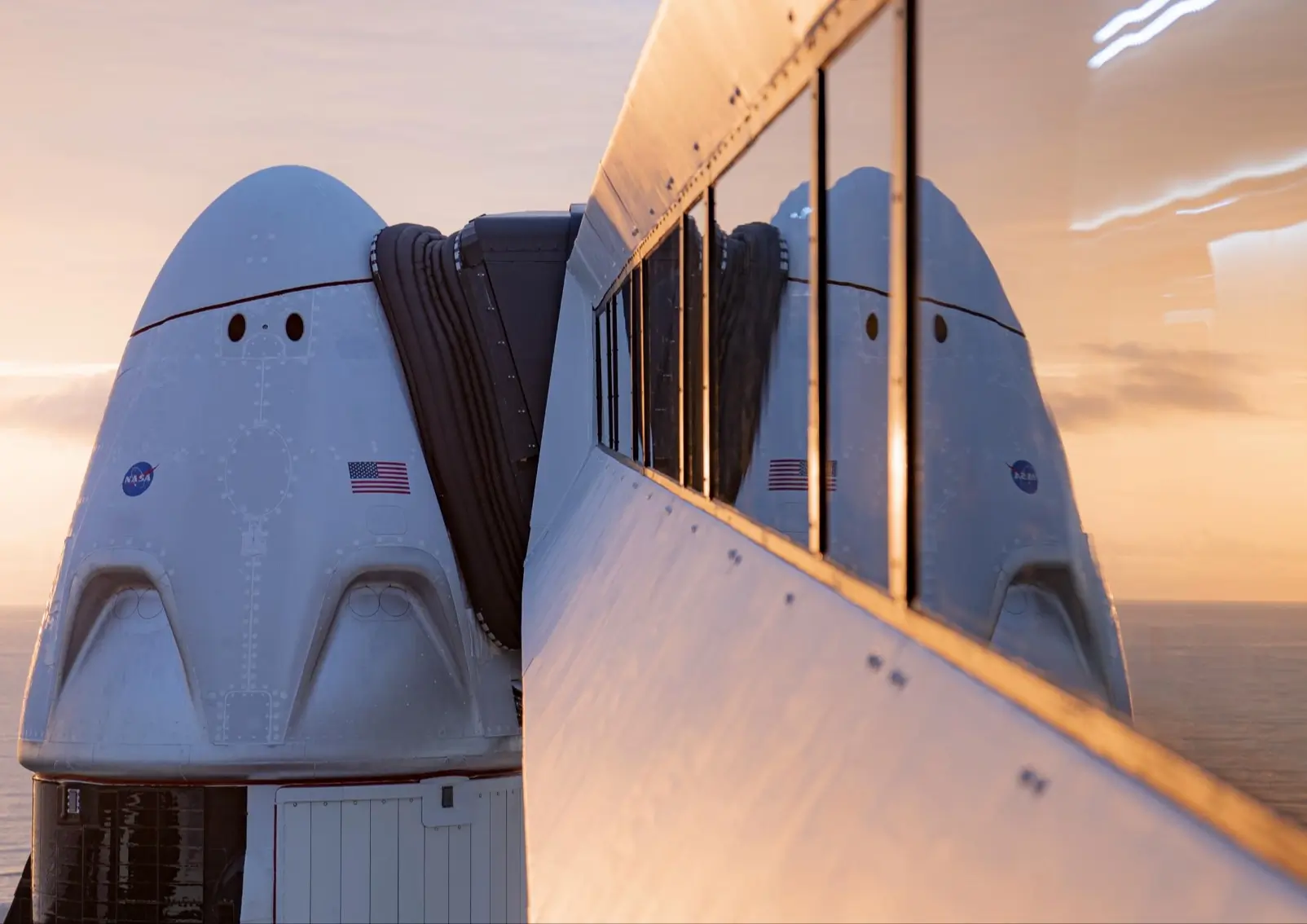
- Crew Dragon Endeavour will be making its sixth flight, showcasing its experience and reliability.
- Sarah Walker mentioned Endeavour has successfully flown 18 astronauts from eight countries since 2020.
- The mission will test upgraded SpaceX drogue 3.1 parachutes for enhanced safety during reentry.
- Crew-11’s timing is crucial, coinciding with the departure of Crew-10 and arrival of CRS-33 to the ISS, as highlighted by Bill Spetch.
As NASA and SpaceX prepare for the highly anticipated launch of Crew-11 to the International Space Station (ISS) on July 31, the excitement in the space exploration community is palpable. This mission promises not just to be a significant milestone for SpaceX and NASA, but also for the international collaborations that have come to define modern space endeavors.
An Overview of Crew-11 Mission
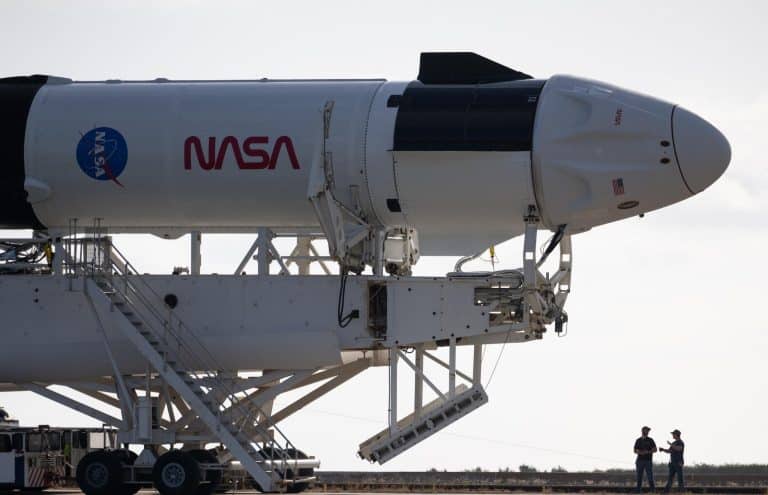
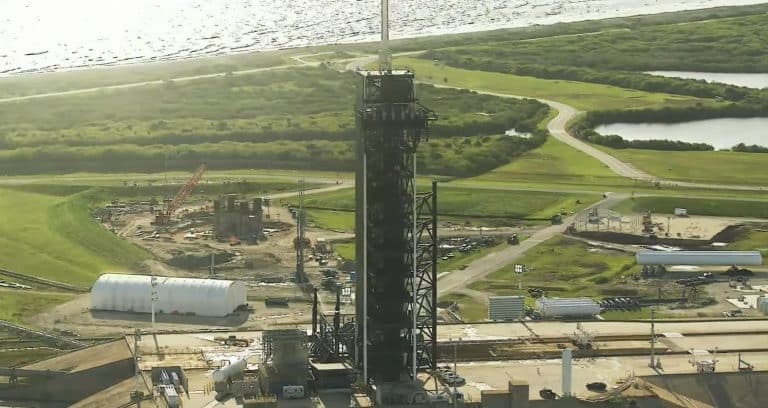
The upcoming Crew-11 mission signifies another leap forward in humanity’s endeavor to explore and utilize space. Set to launch from the iconic Kennedy Space Center in Florida, Crew-11 will rendezvous with the ISS, a symbol of peaceful international collaboration and technological prowess.
The Crew Dragon Endeavour: A Trusted Vessel
A Testament to Experience and Reliability
Crew Dragon Endeavour has been a workhorse for SpaceX, completing five previous missions with impeccable success. With its sixth mission, the spacecraft continues to build on its reputation for reliability and performance in the demanding conditions of space.
- 18 Astronauts, 8 Countries: As Sarah Walker, SpaceX’s director of Dragon mission management noted, Endeavour’s past missions have successfully transported 18 astronauts from eight different nations. This exemplifies the spacecraft’s role in international collaboration in space exploration.
Safety Innovations: The Upgraded Drogue Parachutes
Enhancing Reentry Safety
Safety is paramount in space missions. To this end, SpaceX is debuting its upgraded drogue 3.1 parachutes on this mission. These are designed to further secure safe reentry for the Crew-11 astronauts:
- Operational First Test: This mission will be the first to operationally test these parachutes, aiming to provide additional assurance and safety improvements during the delicate reentry phase.
- Boosted Safety Measures: Enhanced parachutes are part of SpaceX’s continuous evolution toward more reliable and safer human spaceflight operations.
Timing is Everything: Coordinating NASA’s Busy Launch Schedule
The High Stakes of Strategic Planning
The Crew-11 mission arrives at a particularly busy time for NASA’s schedule and underlines the challenges involved in coordinating multiple space missions:
- ISS Docking Dynamics: Crew-11’s launch is closely followed by the departure of Crew-10 and the arrival of SpaceX’s CRS-33 mission. Effective planning ensures that these transitions maintain the operational readiness and safety standards of the ISS.
- Resource Management: As NASA’s Bill Spetch has emphasized, careful planning is crucial for maintaining the station’s altitude and ensuring consistent resupply operations.
- Strategic Implications: Balancing these missions allows NASA to optimize its limited launch resources, maintaining a steady cadence of scientific and exploratory endeavors at the ISS.
The Promise of a New Era
The launch of Crew-11 is not just another mission. It stands as a testament to human ingenuity, collaboration, and the relentless pursuit of knowledge and advancement. As technology and international partnerships grow, so too does our capability to explore the universe more safely and effectively.
SpaceX’s Dragon Endeavour and missions like Crew-11 highlight our ability to overcome technical and logistical challenges, paving the way for the next generation of explorers who will build upon these foundational achievements.