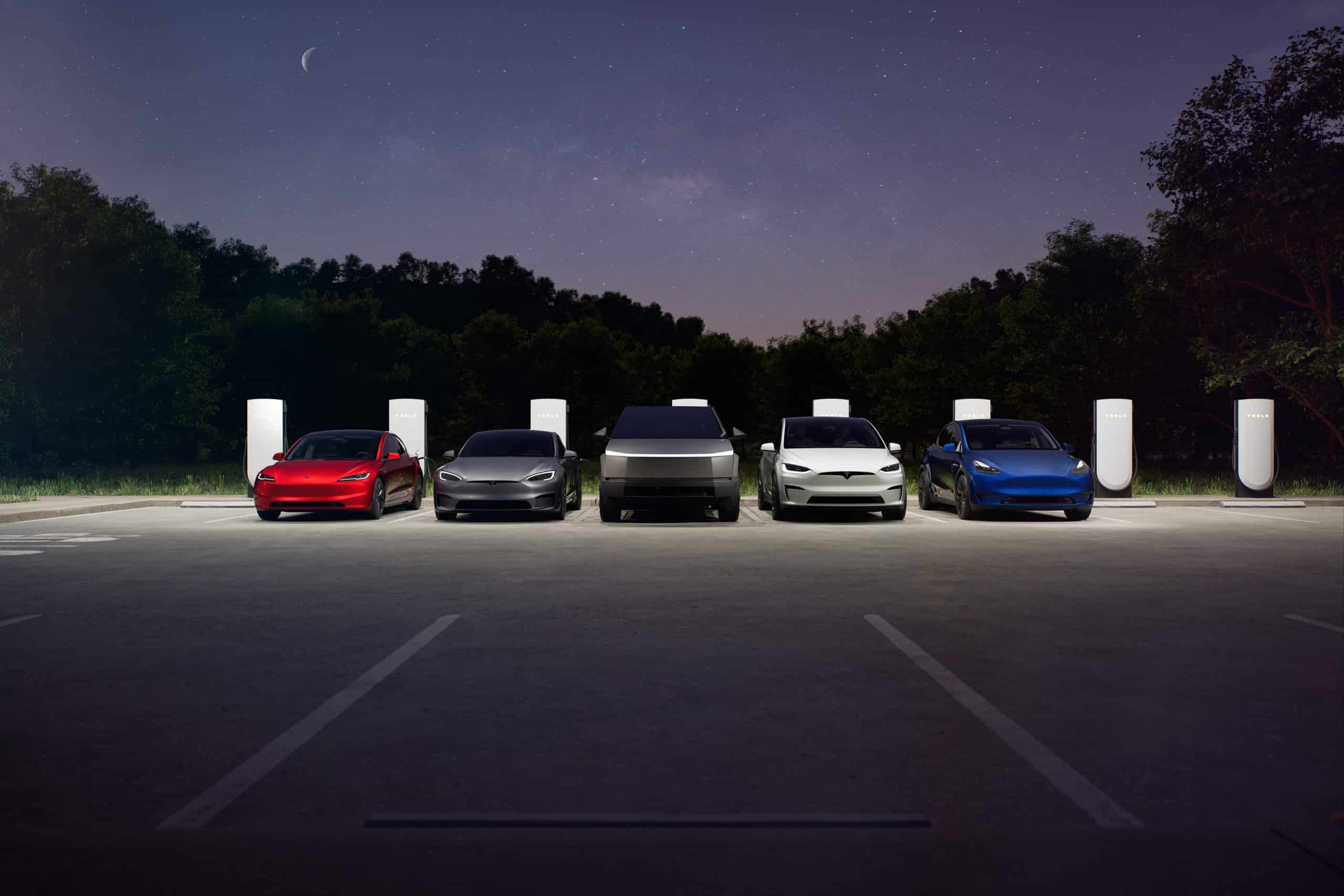
Tesla Drives Home the Win: A Closer Look at the Made-in-America Index
Key Takeaways
- Tesla vehicles secured the top four spots in the Cars.com Made-in-America Index.
- The Model 3 claimed first place in 2025, surpassing the Model Y, which took second.
- The Model S and Model X ranked third and fourth, respectively, marking an improvement from the previous year.
- The study analyzed over 400 vehicles, with only 117 officially ranked, showing significant shifts in the automotive industry.
- Approximately 25% of vehicles on sale in the U.S. made the index, highlighting the importance of domestic production.
- Two other electric vehicles, the Kia EV6 and Volkswagen ID.4, made it to the Top 10, ranking sixth and tenth, respectively.
- The average domestic parts content in the Top 10 has decreased from 83.4% in 2006 to 70.3% in 2025.
- Vehicles like the Tesla Cybertruck were excluded from the study due to weight restrictions.
Tesla has once again proven its leadership in the automotive industry by capturing the top four spots in the prestigious Cars.com Made-in-America Index. This achievement speaks volumes about Tesla’s commitment to domestic production and its strategic positioning in the electric vehicle market. Let’s delve deeper into this significant milestone and what it means for the automotive landscape.
Understanding the Made-in-America Index
The Cars.com Made-in-America Index is an annual study that ranks vehicles based on their domestic parts content, assembly location, and manufacturing job creation. For 2025, the index evaluated over 400 vehicles, officially ranking 117 of them. This rigorous analysis highlights significant shifts within the automotive industry, affecting both traditional and electric vehicle manufacturers.
Tesla’s Clean Sweep: An Overview
- Top Rankings for Tesla Models:
- Model 3: In a competitive twist, the Model 3 dethroned its sibling, the Model Y, to claim the first position in 2025.
- Model Y: Secured the second spot, showcasing its continued appeal despite the Model 3’s rise.
- Model S and Model X: Achieved third and fourth places, respectively, marking a notable improvement from the previous year’s ranking where they were lower.
- Competitive Analysis:
- Among the top 10, two other electric vehicles, the Kia EV6 and Volkswagen ID.4, were recognized, ranking sixth and tenth, respectively. This signifies the increasing competitiveness and prominence of electric vehicles in the industry.
The Significance of Domestic Production
- Economic Impact: Approximately 25% of the vehicles on sale in the U.S. made it to the index, underlining the importance of domestic production and its contributions to the American economy.
- Factory Footprint: The cars ranked in this year’s index were produced in 36 domestic factories. This emphasizes the critical role that local manufacturing plays in maintaining the vitality of the automotive sector.
Trends in Domestic Parts Content
Over the years, the average domestic parts content of vehicles has seen a downward trend. In 2006, the top 10 vehicles boasted an average of 83.4% domestic parts content. Fast forward to 2025, this number has declined to 70.3%, reflecting the complexities of the global supply chain and the evolving nature of vehicle manufacturing.
Exclusions and Considerations
For those wondering about the absence of the Tesla Cybertruck or Rivian R1T in the index, it’s important to note that the study did not include vehicles with a gross weight of over 8,500 pounds. This exclusion criterion is critical in understanding the limitations and scope of the index.
Factors Driving Tesla’s Dominance
Several key factors have contributed to Tesla’s dominance in the Made-in-America Index:
- Commitment to Innovation: Tesla’s relentless focus on advanced technologies and sustainable manufacturing practices has positioned it as a leader in the EV space.
- Strategic Production Facilities: The strategic placement and efficient operation of Tesla’s production facilities in the U.S. have bolstered its domestic market presence.
- Brand Loyalty and Market Penetration: Tesla’s strong brand presence and customer loyalty contribute significantly to its competitive edge.
Tesla’s performance in the Made-in-America Index is a testament to its growing influence in the automotive industry and its ability to adapt to and shape market trends. As we look to the future, the focus on domestic production and sustainable practices will likely continue to drive success for Tesla and other forward-thinking automakers.