Elon Musk Drops Launch Date for Tesla’s First Public Robotaxi Rides
Key Takeaways
- Tesla Robotaxi is launching soon, beginning with selected invitees only.
- Elon Musk confirmed that public rides are tentatively set to start on June 22.
- Safety is Tesla’s top priority during the cautious rollout of the Robotaxi platform.
- A limited version was previously tested with employees, but now it’s moving toward public availability.
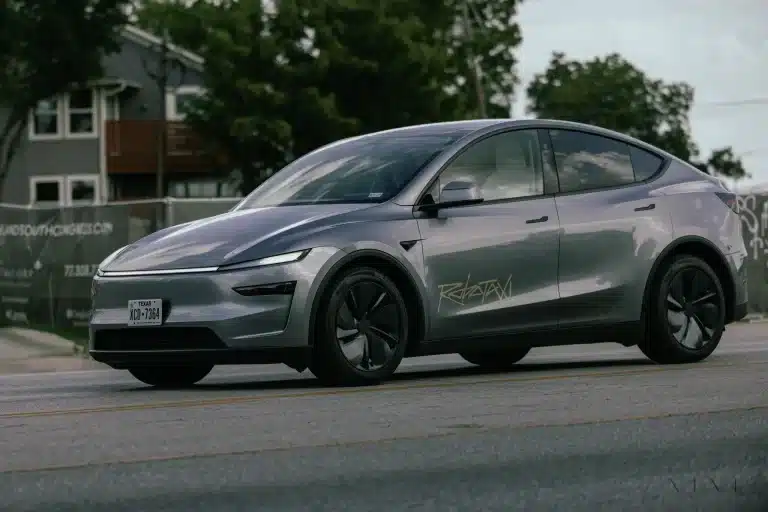
- The first Robotaxi video was recorded on a public road in Austin, indicating the start of this new phase.
As Tesla moves forward with its innovative projects, the anticipated launch of the Tesla Robotaxi is creating even more excitement in the realm of autonomous vehicles. Elon Musk has recently shed light on the timeline and strategy for releasing the Robotaxi to the public, marking a significant milestone in Tesla’s journey towards a driverless future.
The Beginning of a New Era
On June 22, Tesla is set to begin offering public rides in its Robotaxi, starting in Austin, Texas. This date marks a new chapter for those eagerly waiting to experience Tesla’s advanced autonomous driving technology firsthand.
Initial Launch: Limited and Cautious
Tesla has opted for a conservative launch approach, rolling out the Robotaxi service initially to a select group of invitees. This approach underscores the company’s commitment to safety above all else. Safety has been heralded as the cornerstone of Tesla’s autonomous endeavors, ensuring that the new Robotaxi service maintains high standards.
Safety First
Tesla’s dedication to safety throughout the rollout of its Robotaxi platform cannot be overstressed. Elon Musk emphasizes that while the development and deployment timeline is essential, it does not overshadow the critical importance of ensuring passenger safety.
Safety Measures Implemented
- Rigorous Testing: Prior to public availability, Tesla conducted trials with its employees. This initial pilot phase helped identify potential challenges and allowed Tesla to refine the technology and safety protocols.
- Real-Time Monitoring and Intervention: Although the Robotaxi operates autonomously, measures are in place to enable human intervention when necessary. During employee testing, drivers were required to remain vigilant and ready to take control if needed.
- Gradual Expansion: Tesla plans to gradually extend the service to more users after initial rollout in Austin, ensuring sustained confidence and safety as they expand into different regions.
The Journey to Public Accessibility
The first public debut of the Tesla Robotaxi happened when a video surfaced showing one on the streets of Austin. The visual evidence highlighted Tesla’s readiness to bring its self-driving technology into the public domain.
Employee-Only to Public Access
The transition from employee-only testing to public rides represents a monumental step. Initially, employees tested the Robotaxi with a driver in the seat. The evolution to a situation where only a passenger is present demonstrates Tesla’s increased confidence in its autonomous driving capabilities.
What Sets Tesla’s Robotaxi Apart?
The Tesla Robotaxi distinguishes itself by taking Tesla’s Full Self-Driving (FSD) suite to new heights. While previous versions required drivers to be prepared to take over at any moment, the Robotaxi represents a move closer to complete autonomy. Here’s how it stands out:
- Next-Level Autonomy: The leap from employee trials with backup drivers to planned public rides without a driver marks a new level of autonomous capability.
- Innovative Tech Integration: Tesla’s AI and sensor technology integration ensures enhanced decision-making on the roads.
- Electric Efficiency: As an electric vehicle, the Robotaxi supports Tesla’s sustainability goals, reducing carbon footprint even as it provides innovative transportation solutions.
Looking Ahead
Tesla’s strategic and safety-focused rollout of Robotaxi serves as a testament to its commitment to transforming urban transportation. Once it overcomes the initial hurdles in Austin, the next steps will involve leveraging this learning to expand globally, enhancing the accessibility and convenience of autonomous transport.