Tesla’s New Model S and X Are Out—But Are They Worth the Hype?
Key Takeaways
- Tesla is planning minor updates for the Model S and X by 2025, but not a major overhaul.
- The sales figures for Model S and X are low, with only 12,881 units delivered in Q1, likely driven by Cybertruck sales.
- CEO Elon Musk stated the Model S and X are produced more for sentimental reasons than their importance to the future of Tesla.
- Recent images show minimal aesthetic changes, with only slight hardware updates like new wheels and ambient lighting.
- VP Lars Moravy mentioned that the Model S and X will receive “some love” before the end of 2025, focusing on compatibility with Full Self-Driving.
As Tesla enthusiasts eagerly anticipate the latest developments in electric vehicle technology, the iconic automaker’s recent revelations about updates to its Model S and X have sparked considerable discussion. In this blog post, we’ll delve into Tesla’s plans for these flagship models, assessing their significance not only to Tesla’s overall strategy but also to the wider electric vehicle market.
The State of the Model S and X
Both the Tesla Model S and Model X have been cornerstone vehicles, representing the innovation and luxury segments of Tesla’s lineup. However, recent data indicates a decline in their sales figures, with only 12,881 units delivered in the first quarter, possibly overshadowed by the impressive delivery numbers of the Cybertruck. These statistics raise questions about the future role these models will play within Tesla’s broader vision.
Elon Musk’s Sentimental Value
Tesla CEO Elon Musk has candidly shared that the continued production of the Model S and X is driven more by sentimentality than necessity. This acknowledgment is notable because it underscores the limited strategic importance of these models moving forward. Despite their reduced importance, Tesla remains committed to these models, but to what extent?
Minor, Yet Significant Updates
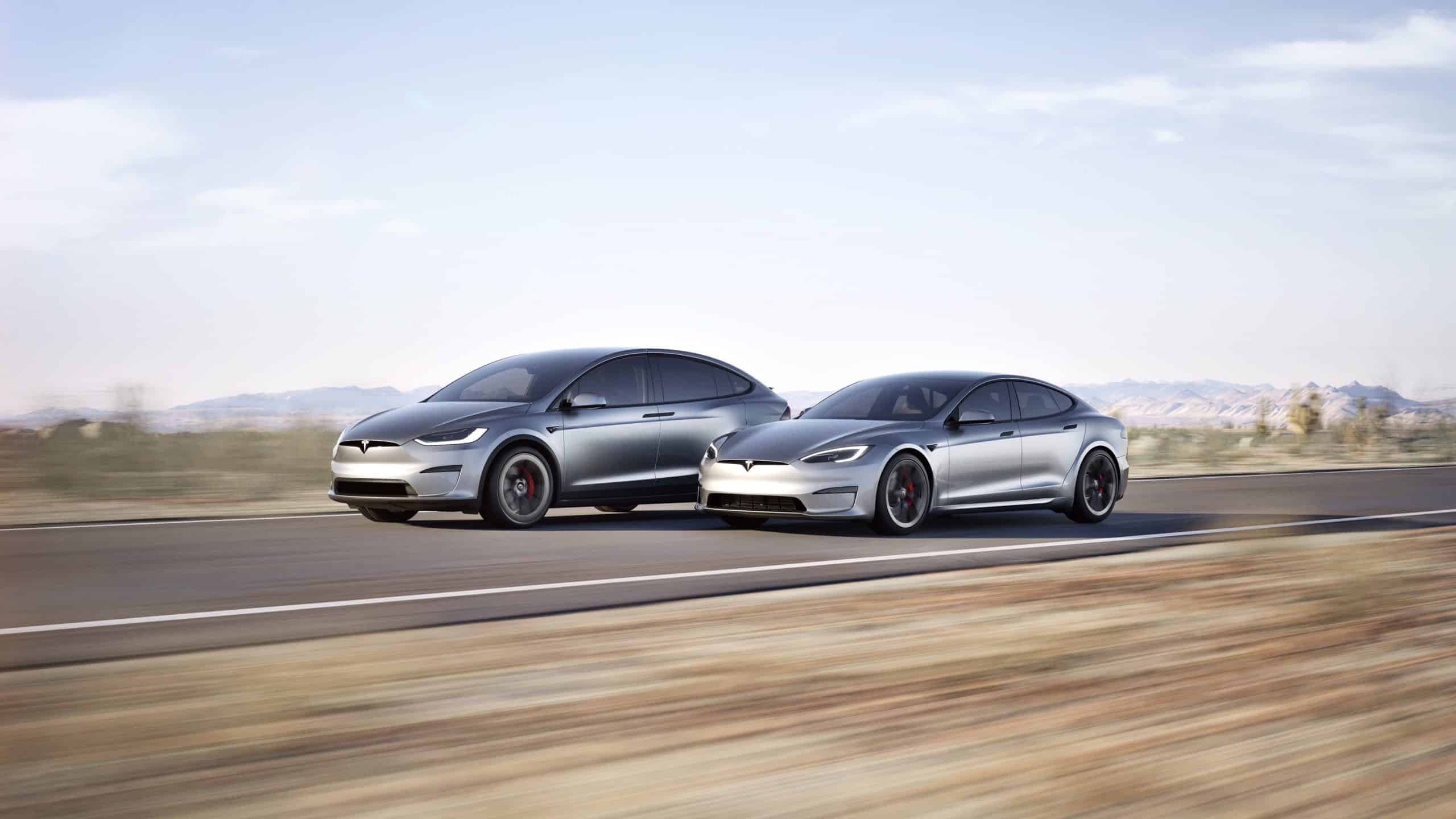
Though some may have hoped for a drastic redesign, Tesla is taking a more restrained approach with its updates for the Model S and X. Images of the latest models reveal only slight hardware modifications, including new 20-inch wheels and the infusion of ambient lighting. These subtle changes enhance the vehicles aesthetically but do not fundamentally alter their identity.
Additionally, a new front bumper camera aligns these models with the broader lineup’s Full Self-Driving suite capabilities, emphasizing Tesla’s ongoing focus on autonomous driving technology.
Future Prospects: Compatibility with Full Self-Driving
Tesla’s Vice President of Vehicle Engineering, Lars Moravy, highlighted plans to give the Model S and X “some love” by the end of 2025. This suggests enhancements focused on integrating Tesla’s cutting-edge Full Self-Driving technology—a move that could reinvigorate interest in these models among tech-savvy consumers.
Analyzing the Impact
1. Subdued Sales Figures:
- The lower delivery numbers for Model S and X reflect a shift in consumer preference towards newer models like the Cybertruck. If these trends continue, Tesla may need to reconsider the viability of these models.
2. Market Positioning and Sentimentality:
- While Tesla’s loyalty to the Model S and X is evident, their relevance in the fast-evolving EV landscape is questionable. For enthusiasts, these models maintain their allure through nostalgic value and luxury branding.
3. Full Self-Driving Potential:
- The integration of advancements in Full Self-Driving could breathe new life into these models, attracting consumers interested in high-tech driving experiences.
Tesla’s Model S and X remain emblematic of the brand’s storied past; however, their future role hinges on successful adaptation to emerging technologies and market demands. While not experiencing comprehensive overhauls, the forthcoming updates hint at a delicate balance between preserving a legacy and ushering in innovation. As Tesla navigates this evolution, the stakes of maintaining brand legacy while paving the path for the future remain thrilling to watch.