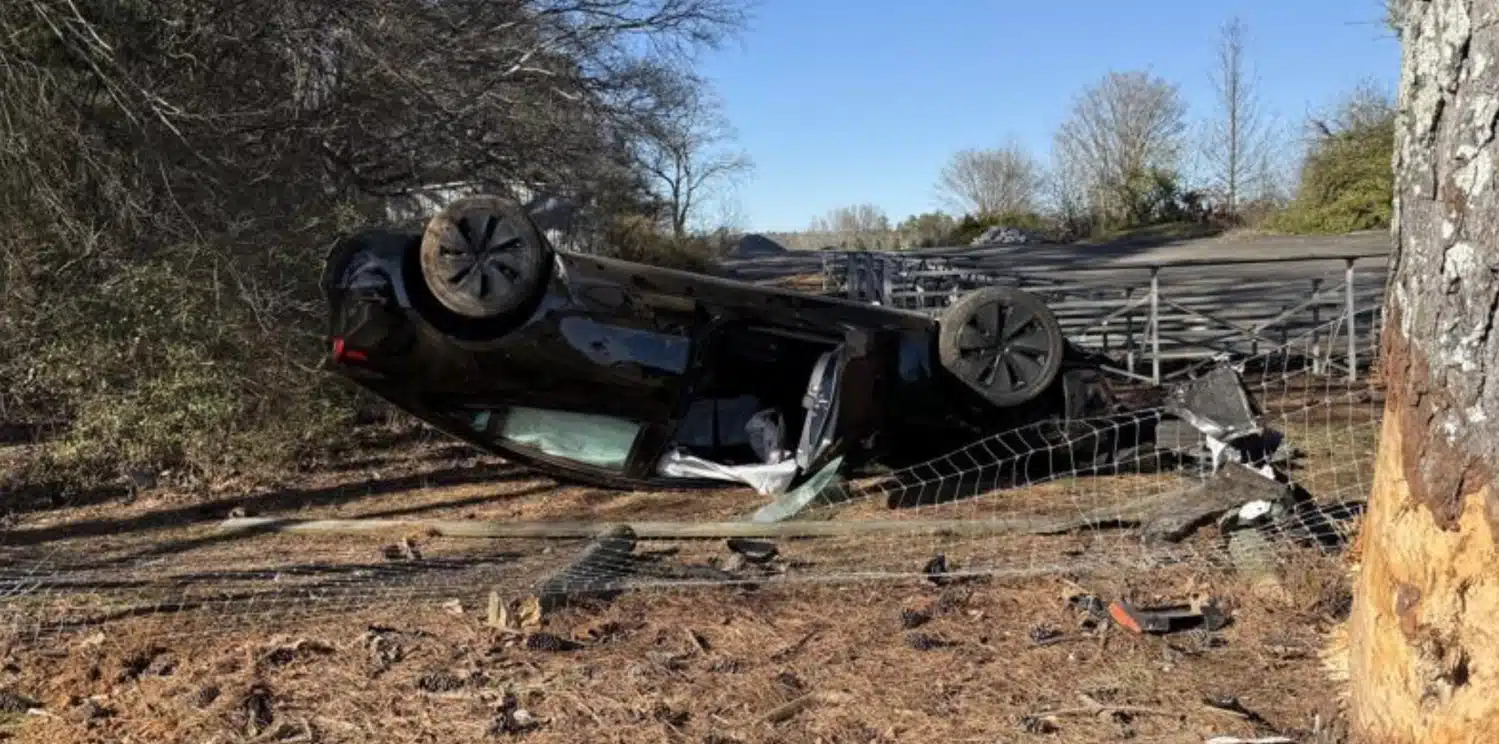
Tesla’s Full Self-Driving System Causes Crash After Veering Off Road and Flipping Vehicle
Key Takeaways
- A Tesla on Full Self-Driving flipped over after veering off the road, highlighting the risks of driver inattention.
- Despite the name, Full Self-Driving is not fully autonomous; it is a Level 2 driver assist system requiring constant driver attention.
- The driver, Wally, maintained attention while using FSD but had no time to react when the vehicle malfunctioned.
- Wally suffered minor injuries but described the incident as shocking and distressing, underscoring the potential dangers of FSD.
- Tesla acknowledges that drivers are always responsible in accidents, even with FSD activated, but driver monitoring has been relaxed over time.
- The incident raises concerns about the effectiveness of FSD and driver complacency, as rapid decisions are needed during system errors.
In recent times, Tesla’s Full Self-Driving (FSD) technology has taken center stage in conversations about automotive innovation and the future of transport. While the promise of self-driving cars creates excitement, the reality, as demonstrated by a recent incident, is that we’re still on a journey fraught with challenges.
Understanding the Incident
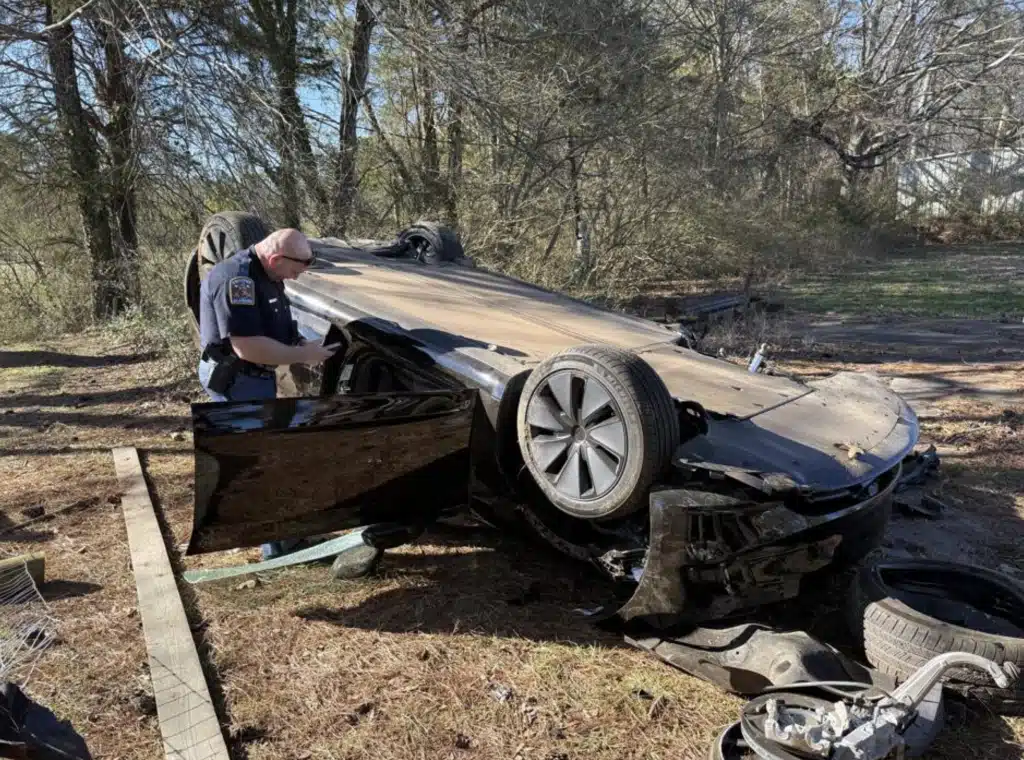
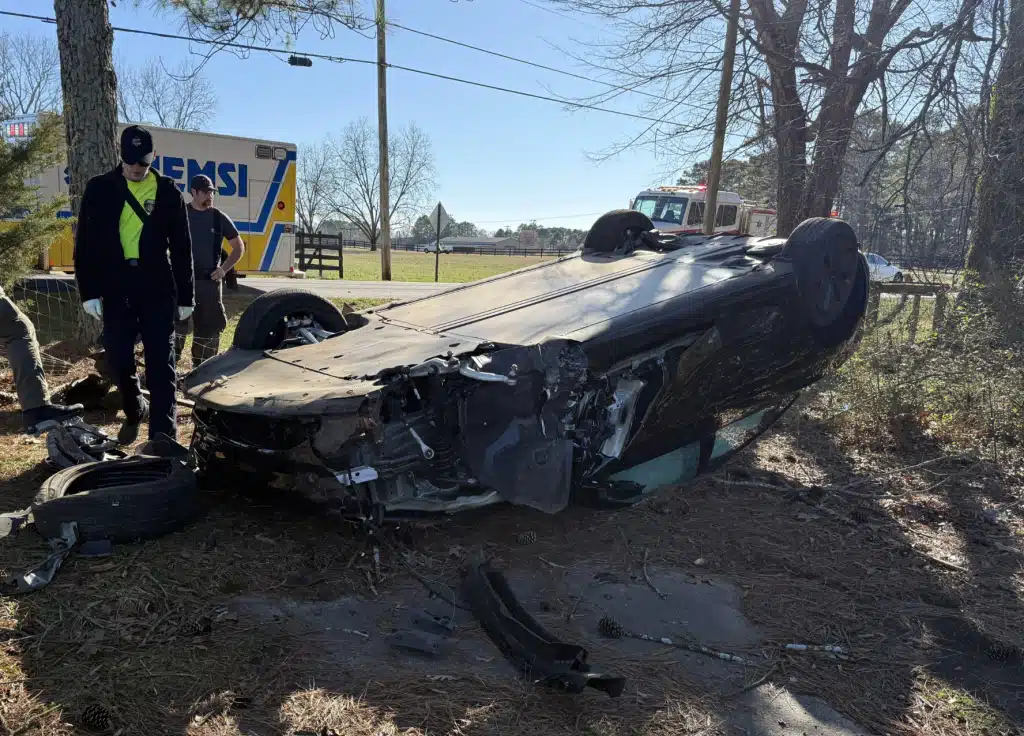
A recent crash in Alabama involved a Tesla vehicle using the latest FSD update. The vehicle unexpectedly veered off the road and flipped over, leaving the driver, Wally, with minor injuries but major concerns. This incident underscores significant risks associated with the reliance on FSD technologies, particularly concerning driver attentiveness and reaction time during emergencies.
The Levels of Automation: A Needed Clarification
Tesla’s FSD is often misunderstood as offering full autonomy. In reality, it operates as a Level 2 driver-assistance system. This means it is not genuinely self-driving and requires continuous driver supervision. The terminology could lead to a dangerous false sense of security where drivers might mistakenly believe the car can handle every situation alone, which is not the case.
The Role of the Driver: Inattention and Responsibility
Despite the advanced capabilities of FSD, Tesla maintains that the driver is ultimately responsible for vehicle control. In Wally’s situation, the vehicle’s sudden movements left no time to react, emphasizing a significant shortcoming: the human driver’s inability to take control swiftly enough to prevent accidents. While Tesla has equipped its vehicles with driver monitoring systems intended to keep drivers attentive, these systems have seen a relaxation of protocols, potentially contributing to lapses in driver vigilance.
The Impact of Complacency in Self-Driving Technology
The assumption that FSD can manage all driving tasks might foster complacency among users. This complacency can be dangerous, as quick and decisive action is often needed to prevent accidents. Tesla’s driver monitoring systems must evolve to counteract this issue and ensure that drivers remain engaged with driving tasks.
Navigating the Road Ahead: Improvements and Accountability
Looking forward, there is a pressing need for improvements both in how FSD systems are marketed and managed. Companies like Tesla must be transparent about the limitations of their systems and rigorously enforce active driver engagement to avoid complacency. Additionally, as these technologies develop, there needs to be a robust system for accountability in accidents to ensure fair and just outcomes for affected parties.
While Tesla’s Full Self-Driving technology represents a significant advancement in automotive technology, the journey to full autonomy is ongoing and presents numerous challenges. Understanding these systems’ current capabilities and limitations is crucial for drivers to use them safely. It becomes imperative for manufacturers, regulators, and drivers to work collaboratively to establish a safe and sustainable path toward the future of automated driving.