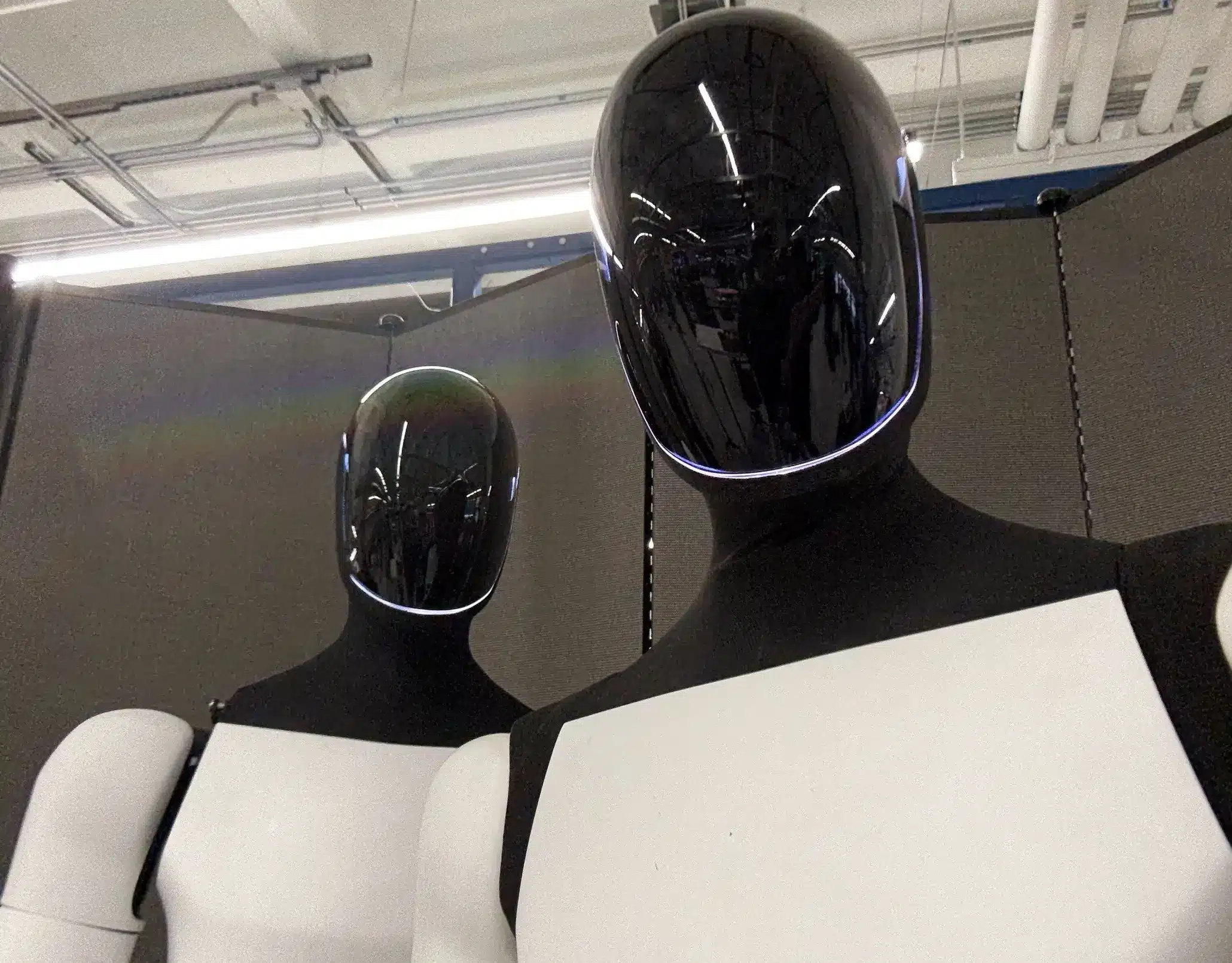
Tesla Just Dropped Its Best Optimus Demo Yet
Key Takeaways
- Tesla Optimus demonstrated impressive multitasking abilities, showcasing activities like trash disposal, cleaning, cooking, and more via a video.
- The demonstration highlighted the robot’s capability to perform tasks through a single neural network, learned from human first-person videos.
- Milan Kovac, Tesla VP for Optimus, mentioned significant breakthroughs in transferring skills from human videos to the robot, enabling faster task learning.
- Future development includes expanding learning from third-person videos and enhancing skill reliability through self-play and reinforcement learning.
In the ever-evolving world of robotics, Tesla’s humanoid robot, Optimus, is making headlines with its impressive capabilities and forward-thinking technological advancements. As the company pushes the boundaries of artificial intelligence and machine learning, Optimus emerges not just as a feat of engineering but as a potential game-changer in how robots integrate into our daily lives. This blog post delves into the recent developments surrounding Tesla’s Optimus, offering insights and evaluations of this groundbreaking technology.
Tesla Optimus: A Multifaceted Marvel
Tesla’s Optimus has recently demonstrated a range of multitasking abilities that put it in a class of its own. The robot can perform everyday tasks such as:
- Trash Disposal: Capably managing waste, implying a potential role in household waste management.
- Cleaning Tasks: Utilizing tools like brooms and vacuum cleaners, showcasing its applicability for domestic chores.
- Cooking: Performing activities like stirring a pot of food, hinting at possible kitchen uses in the future.
- Household Management: Actively engaging in tasks such as opening cabinets and closing curtains.
This diverse set of skills highlights Optimus as more than just a technological novelty; it is a practical tool aimed at assisting and augmenting human capabilities in everyday settings.
Harnessing the Power of the Neural Network
One of the standout features of Tesla’s Optimus is its reliance on a sophisticated neural network. This allows the robot to perform various tasks efficiently, learning from first-person video data of humans. By feeding the robot data from these videos, it can mirror human actions and refine its skills over time, making learning processes more dynamic and less reliant on manual programming.
The Milan Kovac Influence
Milan Kovac, the Vice President of Tesla Optimus, plays a significant role in advancing the capabilities of this humanoid project. He shared that the latest breakthroughs have centered on transferring skills directly from human videos to the robot, accelerating the learning curve of the bot. This method not only reduces operational heaviness but also makes skill acquisition more agile and responsive.
Future Directions: What’s Next for Optimus?
Looking ahead, Tesla has ambitious plans for Optimus:
- Integration of Third-Person Learning: Expanding the robot’s learning framework to encompass third-person video data, which can enhance its adaptability to various environments and tasks.
- Reinforcement Learning: Through self-play and simulation in both synthetic and real-world models, Optimus will become more reliable, improving its problem-solving skills and task execution.
- Natural Language Processing: Advancements in voice and text recognition, allowing for intuitive and seamless interaction with users.
A Glimpse into Tomorrow
Tesla Optimus represents a frontier in robotics, merging cutting-edge AI with practical applications. As the project progresses, its potential to transform industries and everyday life becomes increasingly apparent. Whether it’s in homes, workplaces, or beyond, Optimus promises to redefine our interaction with technology, ushering in a new age of innovation and convenience.