Pioneering the Future: Neuralink’s Vision Restoration Endeavor with Blindsight
Key Takeaways
- Neuralink plans to start human trials for its Blindsight BCI implant in the UAE by late 2025 or early 2026.
- Blindsight aims to restore vision, even for individuals who have been blind since birth.
- Elon Musk announced partnerships with Cleveland Clinic Abu Dhabi for conducting the first Blindsight implant.
- UAE-PRIME study will focus on human patients with motor and speech impairments, mirroring similar studies in the US.
- Neuralink received FDA approval for its PRIME and CONVOY studies in the US but might need further approval for Blindsight.
- Blindsight received a “breakthrough device” designation from the US FDA, highlighting its innovative potential.
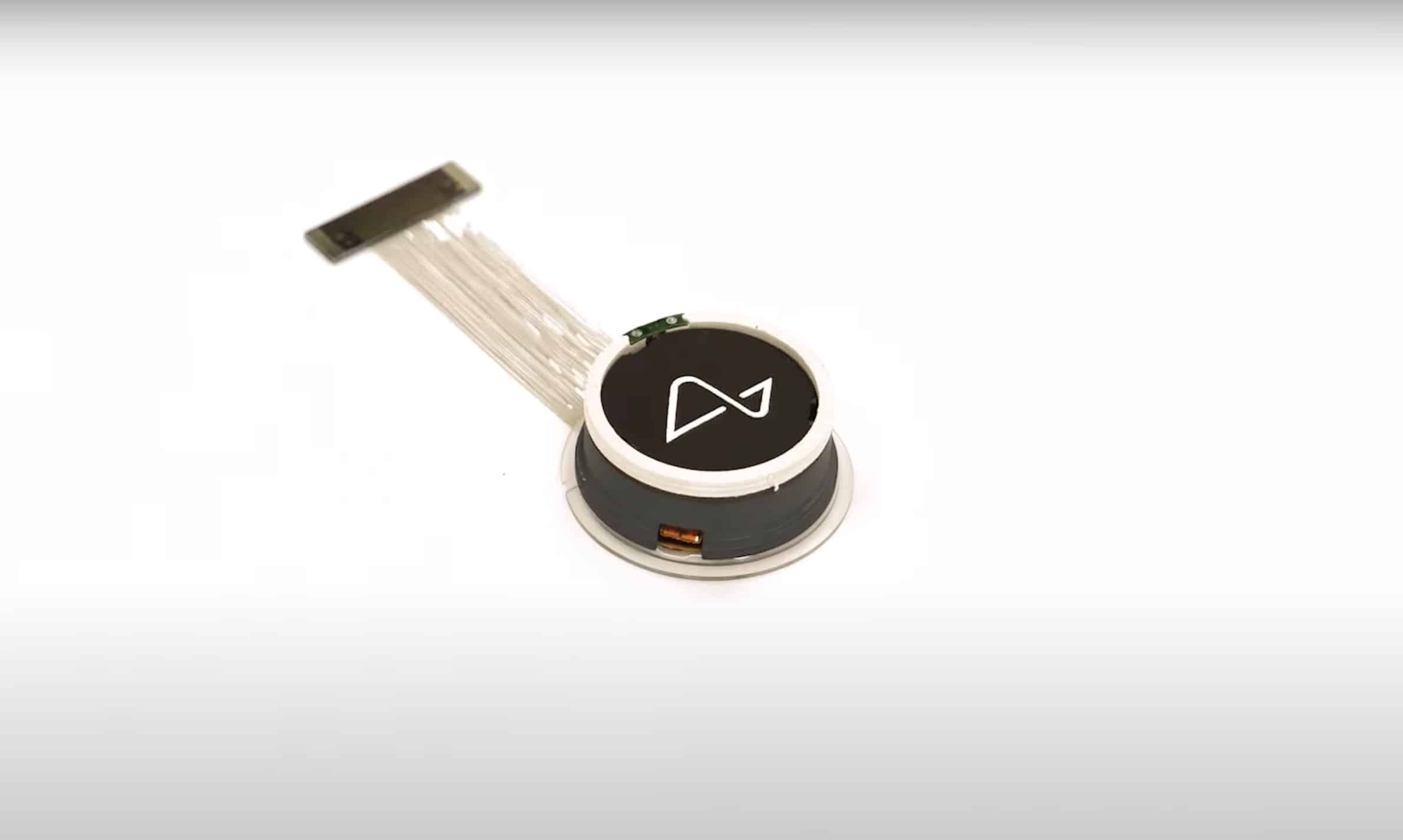
- Neuralink has begun a patient registry and implanted its Link BCI device into five patients globally.
- Neuralink’s assistive robotic arm, ARA, expands the autonomy of patients beyond using just smart devices.
In an ambitious step towards revolutionizing neurotechnology, Elon Musk’s Neuralink is on the verge of clinical trials for its groundbreaking Blindsight brain-computer interface (BCI) implant in the United Arab Emirates. This development could redefine the prospects for individuals with vision impairments, igniting hope for those who have never had sight.
Neuralink’s Visionary Goal with Blindsight
Elon Musk has long been a proponent of leveraging technology to enhance human capabilities. With the Blindsight BCI, Neuralink aims to restore vision, marking a monumental technological leap. The implant’s most striking objective is to enable vision even for those who have been blind from birth, challenging previously held boundaries in medical science.
Key Features of Blindsight:
- Vision Restoration: Designed to provide sight to individuals with various degrees of vision impairment.
- Inclusivity: Potential benefit for people born blind, a marvel in itself.
Strategic Partnership in the UAE
Neuralink is setting the stage for its first human implant by collaborating with the Cleveland Clinic Abu Dhabi. This partnership is pivotal as it signifies a fusion of advanced neurotechnology with world-class clinical expertise, promising a robust testing ground for Blindsight in the UAE.
Clinical Significance:
- UAE-PRIME Study: While primarily focusing on motor and speech impairments, this study shares foundational insights with Neuralink’s US-based trials. The UAE-PRIME study is a beacon of hope for innovating treatment methods that cater to diverse neurological challenges.
Regulatory Milestones and Innovations
Neuralink’s pathway to innovation is underscored by key regulatory achievements. The Food and Drug Administration (FDA) in the United States has already granted approval for the PRIME and CONVOY studies and awarded Blindsight a “breakthrough device” designation, highlighting its potential to revolutionize care.
Regulatory Highlights:
- FDA Approvals: Granted for existing study types like PRIME which focuses on motor functions and CONVOY for assistive devices.
- Breakthrough Status: The designation underscores Blindsight’s transformative promise.
Expanding Horizons with Technology
Beyond vision restoration, Neuralink’s endeavors include advancing human autonomy using its assistive robotic arm, ARA. This technology transcends conventional assistive devices, offering users a broader scope of independence and functionality.
A Step into the Future
Neuralink’s patient registry program, which has already facilitated the implanting of the Link BCI device in five participants, represents an essential forward march in neurological science. Such progress exemplifies a commitment to embracing technology as a means to empower individuals with neurological impairments.
Neuralink’s Blindsight holds the potential to reshape how we perceive and solve vision-related challenges. With its imminent trials in the UAE, the world eagerly awaits to see how the fusion of technological innovation and medical science can change the narratives of sight and autonomy.