The Race to Master Humanoid Robots: Tesla vs. China in Robotic Hand Dexterity
Key Takeaways
- The competition in the humanoid robot industry is intensifying between Chinese companies and Tesla.
- Dexterous robot hands are considered the last frontier in humanoid robot development.
- Linkerbot Technology claims its Linker Hand has the highest dexterity, with 42 degrees of freedom.
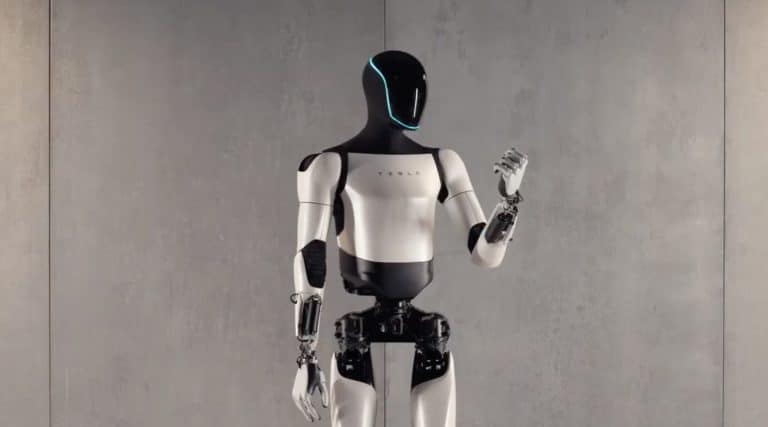
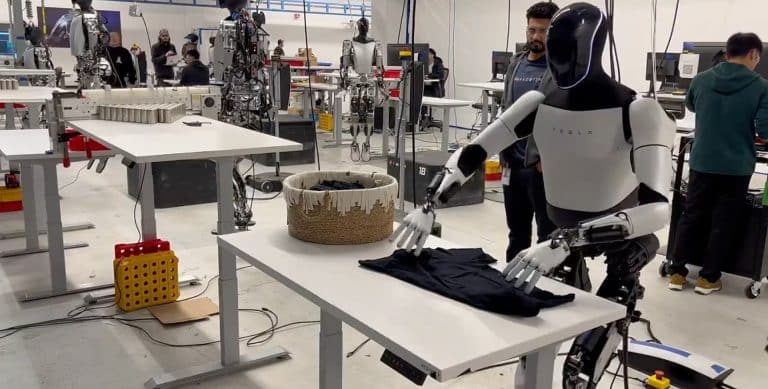
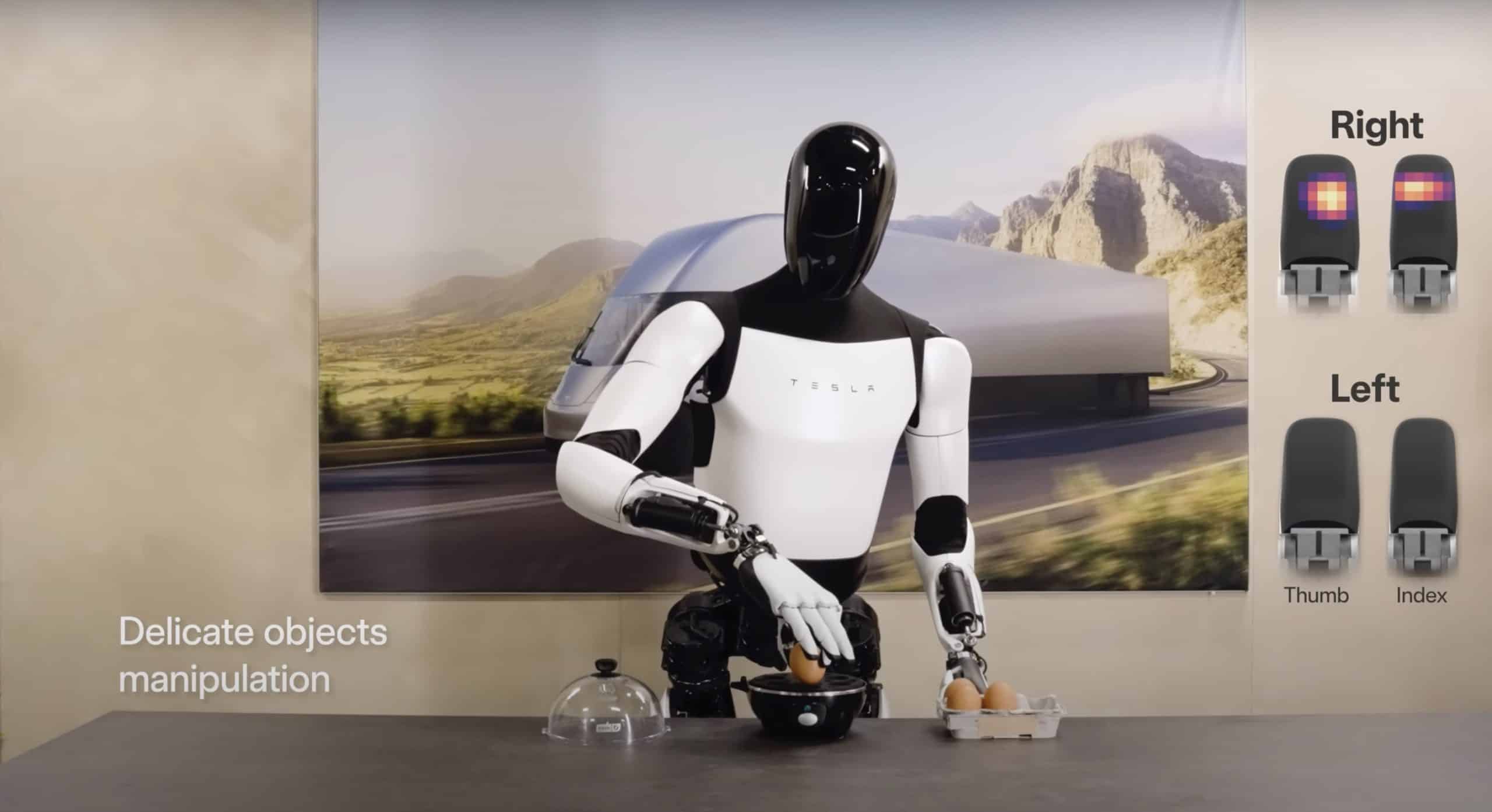
- Tesla’s Optimus bot showcases impressive precision, with hands having 22 degrees of freedom as seen in a recent video.
- Jim Fan from NVIDIA highlighted the Optimus hands as top-tier in the industry.
- Linkerbot aims to deploy 1 million robots with dexterous hands for real-world data collection.
- Both Linkerbot and PaXini Tech are emphasizing their humanoid robots’ fine motor skills with tasks like Rubik’s Cube solving and makeup application.
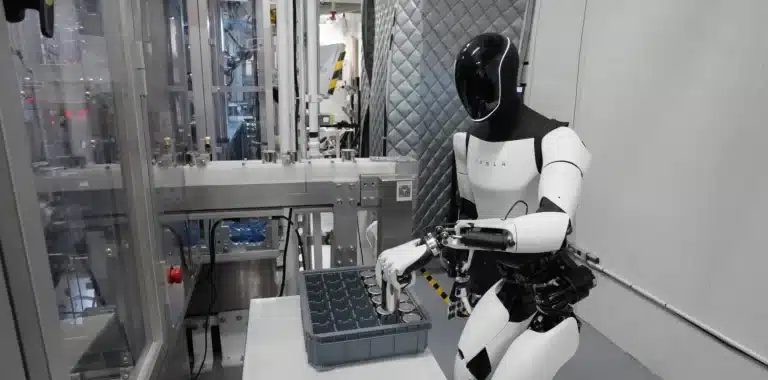
- Tesla Optimus and other Chinese robots are expected to handle repetitive factory tasks.
- PaXini Tech’s DexH13 GEN2 hand mimics human hand movements and features advanced tactile and visual capabilities.
The humanoid robot industry is at the brink of a technological breakthrough. As the competition heats up between major players like Tesla and Chinese companies, the focus has increasingly shifted to perfecting dexterous robotic hands. These robotic appendages represent the final frontier in humanoid robot development, unlocking the potential for robots to perform intricate tasks once reserved for human hands. This blog post delves into the critical elements of this race, focusing on the key players, technological advancements, and potential implications for the future of robotics.
The Final Frontier: Dexterous Robotic Hands
Dexterous robot hands are not just another feature in humanoid robots; they are transformative. They bridge the gap between human and machine capabilities, providing the finesse and adaptability needed for robots to take on diverse human tasks.
Why Dexterity Matters
- Complex Task Execution: Dexterous hands enable robots to perform complex tasks such as assembling small parts, handling fragile items, or performing surgical procedures.
- Increased Utility: With enhanced dexterity, robots become more versatile, expanding their utility across industries like manufacturing, healthcare, and service sectors.
- Human-Machine Collaboration: Improved physical interaction capabilities allow for safer and more efficient human-machine collaboration in shared environments.
Key Players and Their Innovations
Tesla’s Optimus: Precision in Action
Tesla, known for its innovation in electric vehicles, is making significant strides with its humanoid robot Optimus. The latest features include:
- 22 Degrees of Freedom: While this number is less than some competitors, Tesla emphasizes precision and efficiency in its design.
- Industry Recognition: According to Jim Fan from NVIDIA, Optimus’s hands are among the best, signifying its competitive edge in precise task execution.
- Integration in Manufacturing: Tesla’s recent video showcases Optimus handling tasks requiring precision, highlighting its potential in factory automation.
Linkerbot and PaXini Tech: China’s Rising Contenders
Chinese companies are not far behind; in fact, they are leading in some innovative aspects:
- Linkerbot’s Ultimate Dexterity: With its Linker Hand having 42 degrees of freedom, Linkerbot claims the highest dexterity in the market. The company plans to deploy 1 million robots to collect real-world data, including fine motor tasks like playing with Rubik’s Cubes and applying makeup.
- PaXini Tech’s Technological Edge: The DexH13 GEN2 hand from PaXini Tech integrates multi-dimensional tactile feedback and AI-driven visual capabilities, simulating complex human hand movements such as welding and pinching.
The Future of Humanoid Robots
The ongoing developments suggest several potential future scenarios:
- Robotic Workforce Integration: As robots master dexterous tasks, they could replace humans in monotonous and dangerous jobs, leading to increased efficiency and safety in workplaces.
- Data-Driven Learning: Deploying robots in real-world applications will provide invaluable data, improving machine learning algorithms that enhance robots’ adaptability and functionality.
- Cultural and Ethical Considerations: The widespread deployment of humanoid robots may raise questions about employment, privacy, and the extent of human-machine interaction.
The competition in humanoid robot development is not just about which company will come out on top, but about how these advancements will redefine the boundaries of what machines can achieve and how they will reshape our world. As companies push the envelope in perfecting dexterous robotic hands, we’re witnessing the dawn of a new era in robotics technology.