How Waymo’s Robotaxis are Transforming Road Safety
Key Takeaways
- Waymo’s autonomous vehicles have significantly enhanced road safety, especially for vulnerable road users (VRUs).
- Waymo Driver reports a 92% reduction in pedestrian injury crashes over 56.7 million miles compared to human drivers.
- The technology has achieved 82% fewer injury crashes with cyclists and motorcyclists.
- Intersection injury crashes, a significant cause of road accidents, were reduced by 96% with Waymo Driver.
- Mauricio Peña, Waymo’s Chief Safety Officer, emphasized the positive impact and crucial role of the Waymo Driver in reducing serious crashes.
- Jonathan Adkins from the Governors Highway Safety Association highlighted the encouraging progress and safety improvements reported by Waymo.
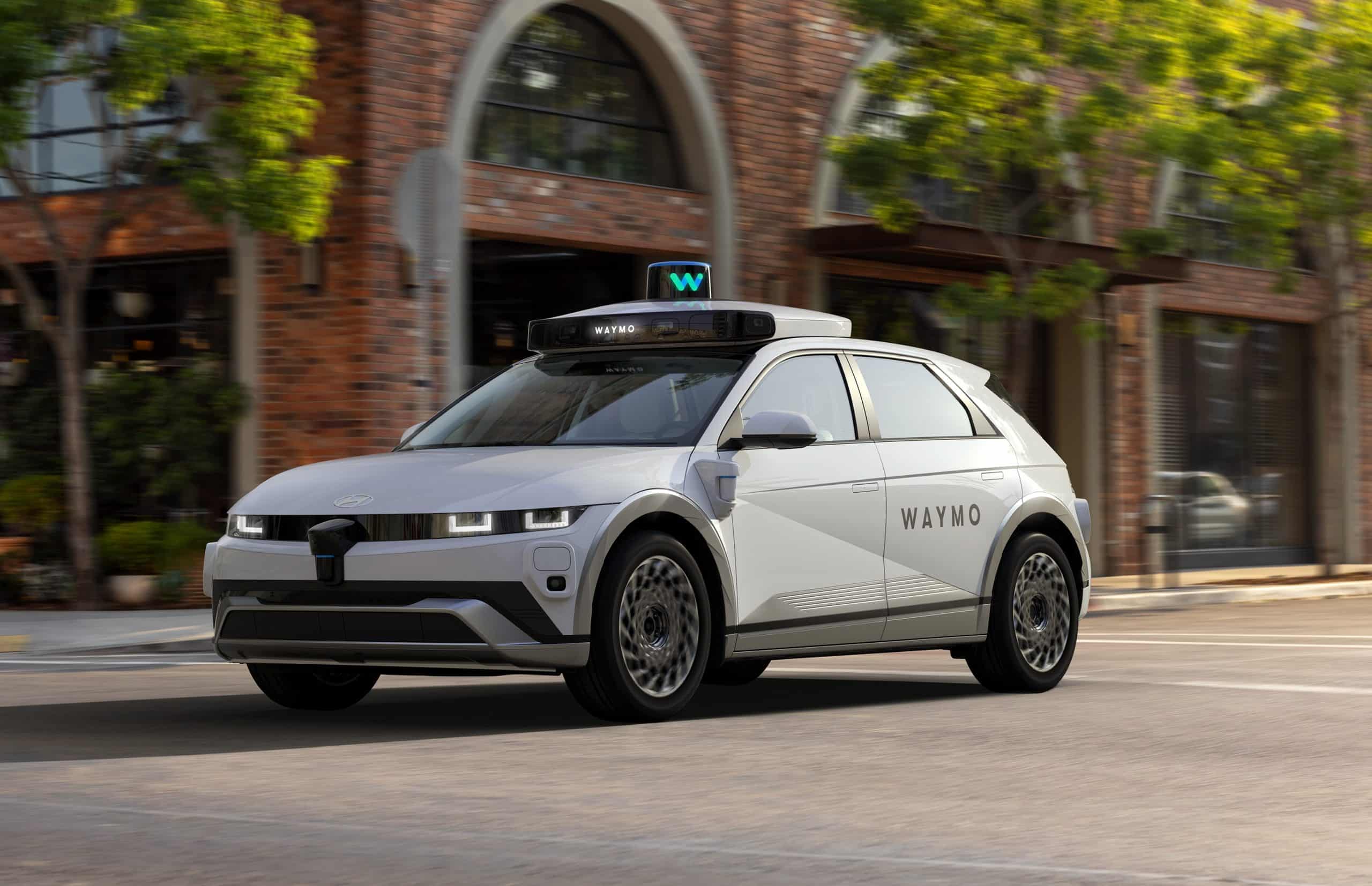
In the age of rapid technological advancement, the quest for safer roads continues to be a primary concern worldwide. Autonomous vehicle technology, particularly Waymo’s robotaxis, is making significant strides in revolutionizing road safety. Through extensive research and real-world data, Waymo is positioning itself as a leader in the domain, offering promising insights into how their vehicles are not just modern conveniences but essential tools for enhancing road user safety.
Understanding the Impact of Waymo’s Autonomous Vehicles
As discussions about autonomous vehicles evolve, safety remains the focal point. Waymo’s driverless cars provide a compelling case for how automation can enhance road safety, a promise industry leaders have long envisioned. Their data reveals significant reductions in various types of crashes, showcasing how technology can protect vulnerable road users.
Key Achievements of Waymo’s Technology
- Reduced Pedestrian Injuries: Over an impressive journey covering 56.7 million miles, Waymo boasts a 92% reduction in pedestrian injury crashes compared to traditional human drivers. This achievement underscores the potential for autonomous vehicles to significantly minimize the risks pedestrians face on busy streets.
- Cyclists and Motorcyclists Safety: The data also highlights an 82% decrease in injury crashes involving cyclists and motorcyclists. These road users, often considered vulnerable, stand to benefit immensely from strategic technological interventions like those offered by Waymo.
- Intersection Safety Improvement: A notable 96% reduction in injury-involved intersection crashes points to the effectiveness of Waymo Driver technology in addressing this substantial cause of severe accidents. Such statistics provide hope for safer navigation through often chaotic traffic intersections.
Expert Insights and Endorsements
The significance of these accomplishments is echoed in the insights offered by key figures in the industry:
- Mauricio Peña, Waymo’s Chief Safety Officer, emphasized the transformative impact Waymo is making in communities. Peña articulated that the technology plays a pivotal role in mitigating serious crashes and safeguarding all road users, indicating a promising future for autonomous vehicle technology.
- Jonathan Adkins, CEO of the Governors Highway Safety Association, affirmed the optimistic data coming from Waymo. His observations that Waymo is outperforming human drivers in terms of safety align with the broader industry goal of creating safer, more reliable road networks.
Broader Context and Future Directions
Autonomous vehicles like those developed by Waymo symbolize a significant leap forward in road safety technology. But how do these advancements stack up against other players in the industry? And what specific measures does Waymo employ to ensure they continuously deliver on their safety promises?
Comparing Safety Standards
While the specific details of how Waymo’s safety metrics compare with other companies are often under wraps due to competitive reasons, the general trend points to Waymo being at the forefront. Continuous innovations and rigorous testing protocols seem to set them apart, making an exemplary model for others in the field.
Safety Measures for Pedestrians
Several strategies underpin Waymo’s success in pedestrian safety:
- Advanced Sensor Systems: Equipped with an array of sensors, Waymo’s vehicles can detect pedestrians at distances and angles that are challenging for human drivers.
- Predictive Algorithms: Using machine learning, the cars can anticipate pedestrian movements, enabling timely preventive actions.
- Safety-First Protocols: The operational philosophy prioritizes vulnerable road users in all driving situations.
Intersection Crash Prevention
One of the standout features of Waymo technology is its ability to significantly reduce intersection crashes. This accomplishment can be attributed to:
- Real-Time Navigation Adjustments: The vehicle’s AI can rapidly adjust to the dynamic nature of intersections.
- Enhanced Traffic Signal Understanding: Interpretation of traffic signals is precise, minimizing human-error-related misjudgments.
- Adaptive Cruise Control: This feature ensures that safe speed and distance are maintained, crucial in intersection areas.
The Road Ahead
Waymo’s achievements illustrate a future where autonomous driving can significantly contribute to road safety. As technology continues to advance, infrastructure develops, and public acceptance grows, the vision of accident-free roads may become more achievable than ever before.